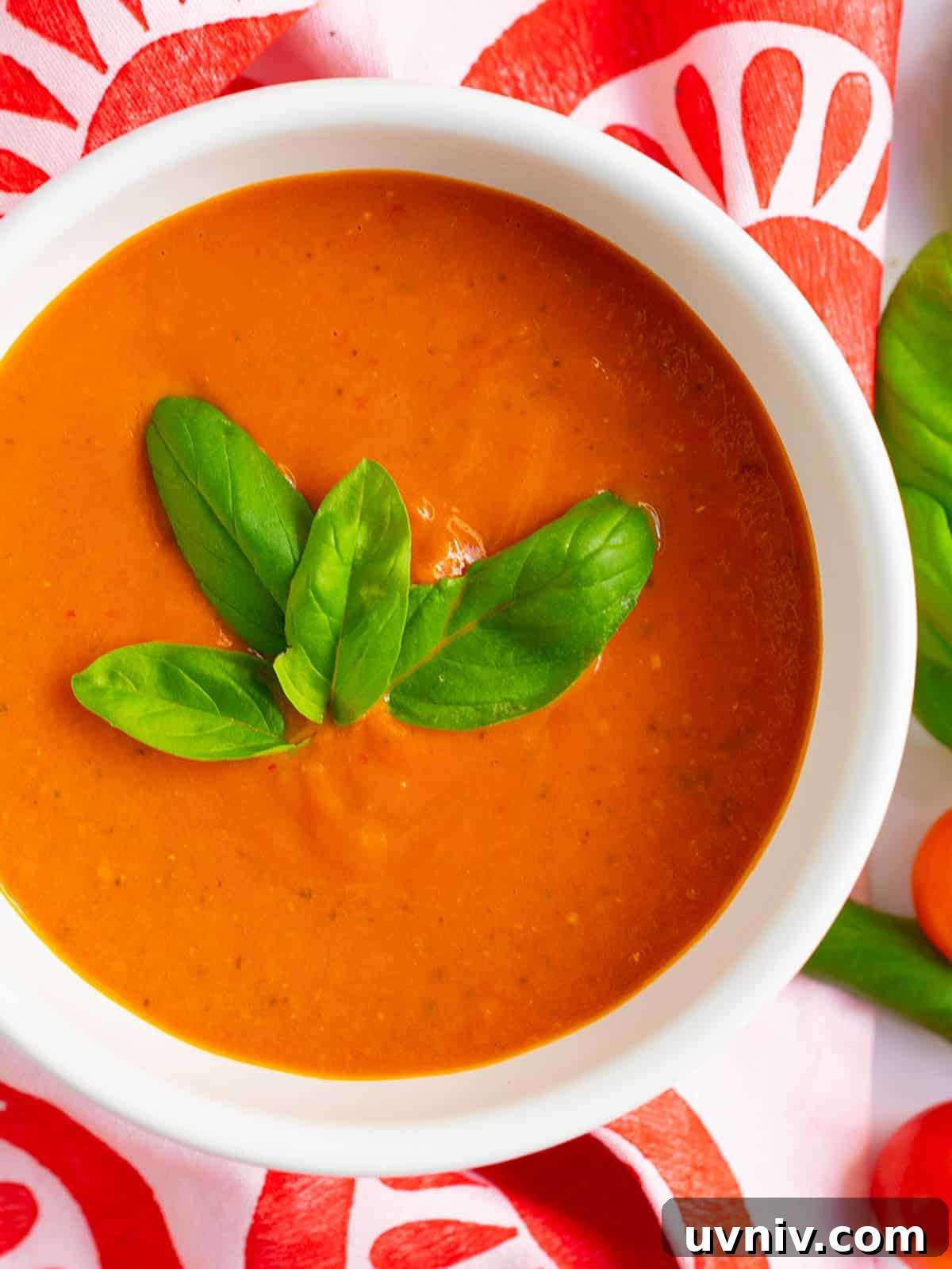
Roasted tomato sauce delivers deep, concentrated flavor with very little hands-on time. Whether you use peak-season heirlooms or store tomatoes, this easy oven-roasted tomato pasta sauce highlights bright, caramelized tomato notes and fresh herbs for a luscious, versatile sauce.
Enjoy tomatoes in another way with a blistered tomato and arugula salad for a fresh contrast.
For more ideas, browse main course recipes in one place.
This post contains Amazon affiliate links. As an Amazon Influencer, I earn from qualifying purchases. Your price is never affected.
Why you will LOVE oven-roasted tomato sauce
- Big flavor with minimal effort — toss tomatoes, aromatics, herbs, oil and vinegar, roast, cool and blend. It tastes like hours of simmering but takes almost no work.
- Freezes beautifully — preserve summer tomatoes for later meals.
- Great for garden or farmers’ market tomatoes, and an easy way to make off-season fruit taste better.
- Extremely versatile — use on pasta, as a soup base, in lasagna, for chicken parm, pizza, or as a dipping sauce.
- Family-friendly — simple, comforting, and crowd-pleasing.
Ingredients and substitutions
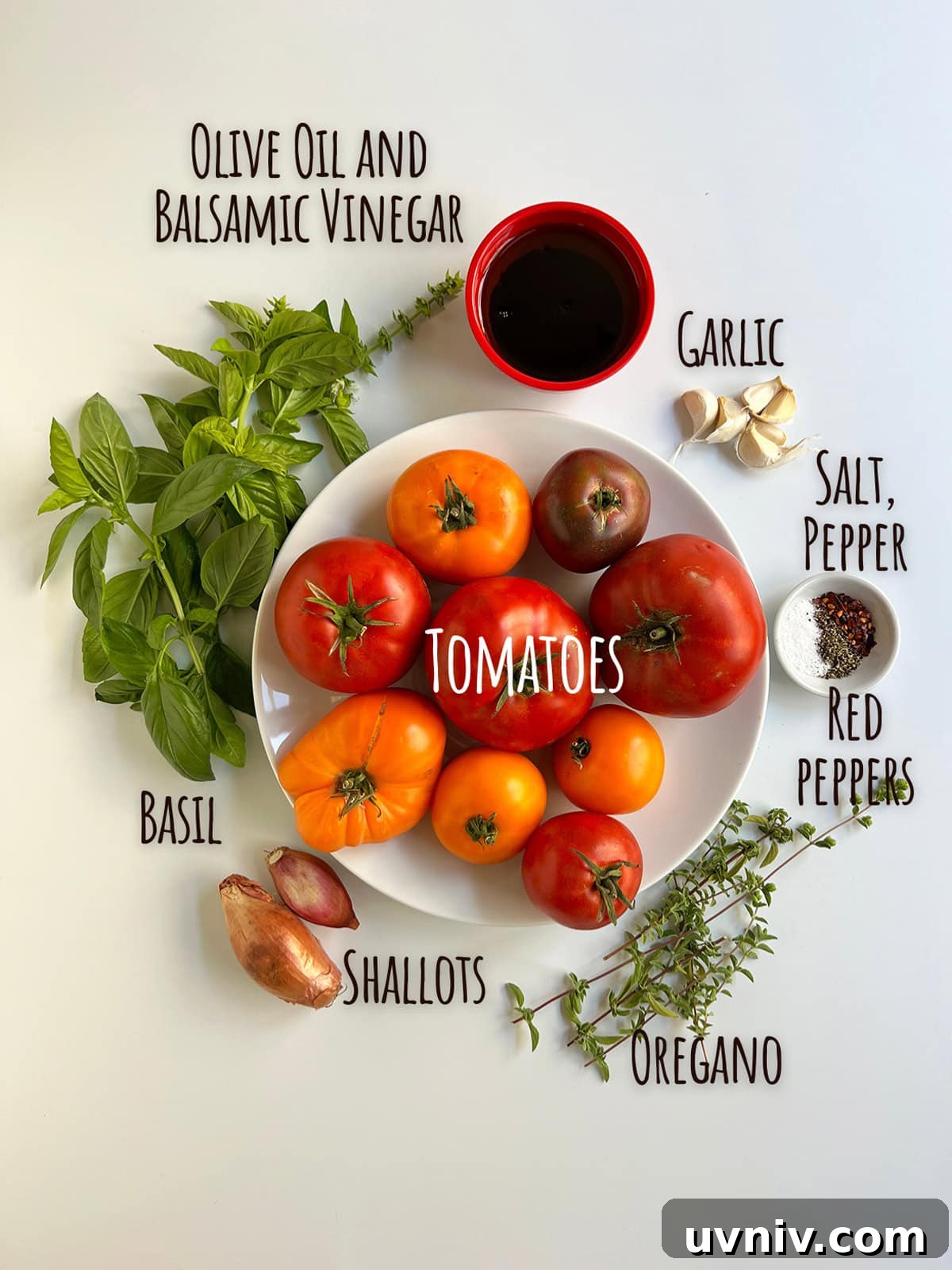
- Tomatoes: Any variety works. In-season tomatoes give the best flavor, but roasting improves out-of-season fruit too.
- Shallots: Substitute a mild white, yellow, or red onion (use a bit less than the recipe calls for since shallots are milder).
- Garlic: Adjust to taste — more if you love garlic, less if you prefer a subtler note.
- Olive oil: Use a good everyday extra virgin olive oil, not a delicate finishing oil.
- Balsamic vinegar: A standard balsamic adds depth; no need for an expensive aged bottle.
- Fresh herbs: Fresh basil and oregano are ideal; if unavailable, use dried oregano and add basil at the end for brightness.
- Seasonings: Kosher salt, black pepper, and optional red pepper flakes for heat.
Let’s make roasted tomato sauce step-by-step
Printable recipe card with exact measurements and a concise version of the method appears later. The following gives a clear, photo-guided walkthrough and tips.
Roast the tomatoes
1. Preheat the oven to 400°F (or 425°F if your oven runs cool).
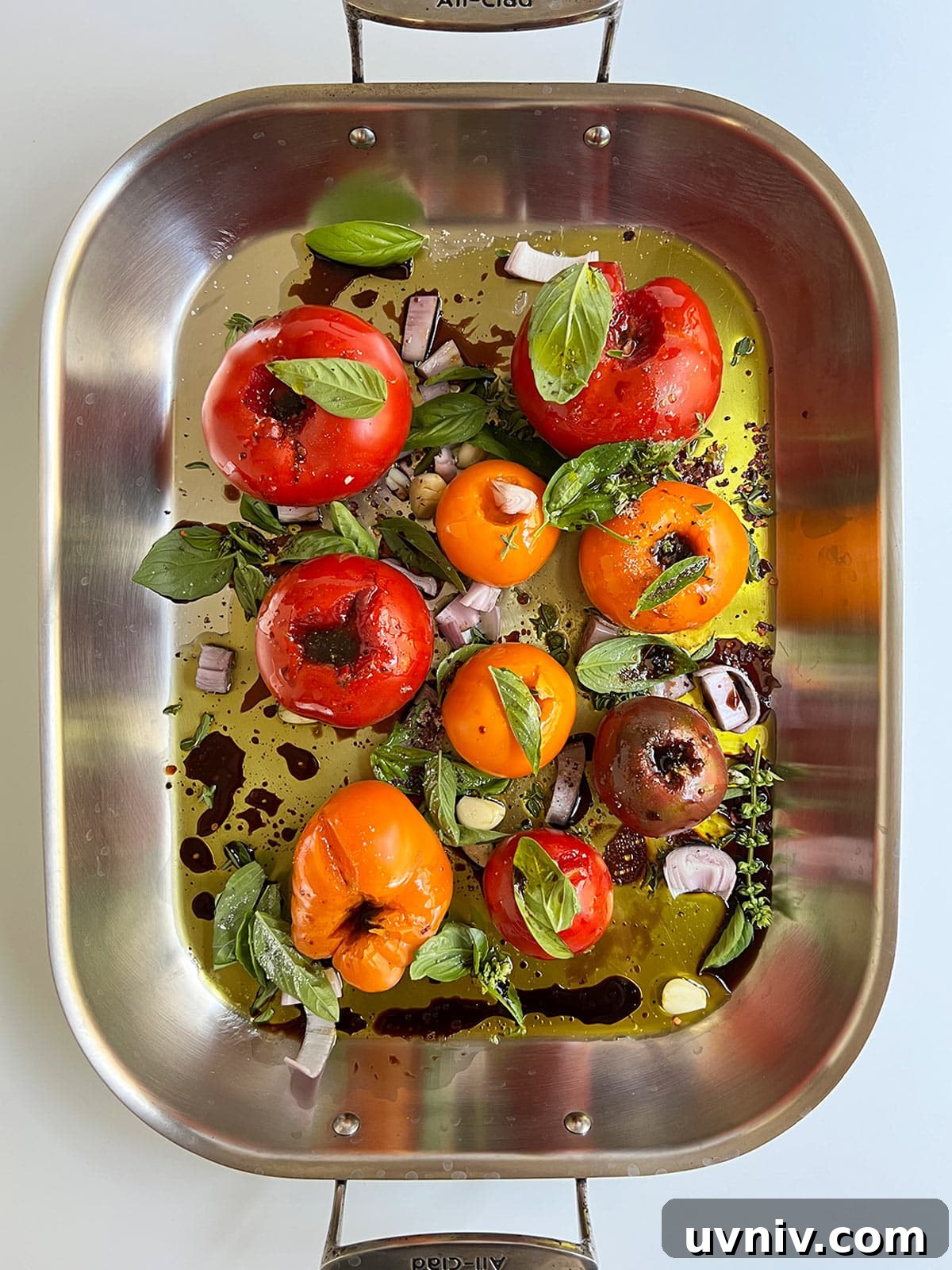
2. Core the tomatoes, coarsely chop the shallots, and peel the garlic (leave cloves whole). Place everything in a roasting pan. Add torn basil (reserve about ½ cup for blending), fresh oregano, olive oil and balsamic vinegar. Season with kosher salt, black pepper and red pepper flakes if using. Toss to coat evenly.
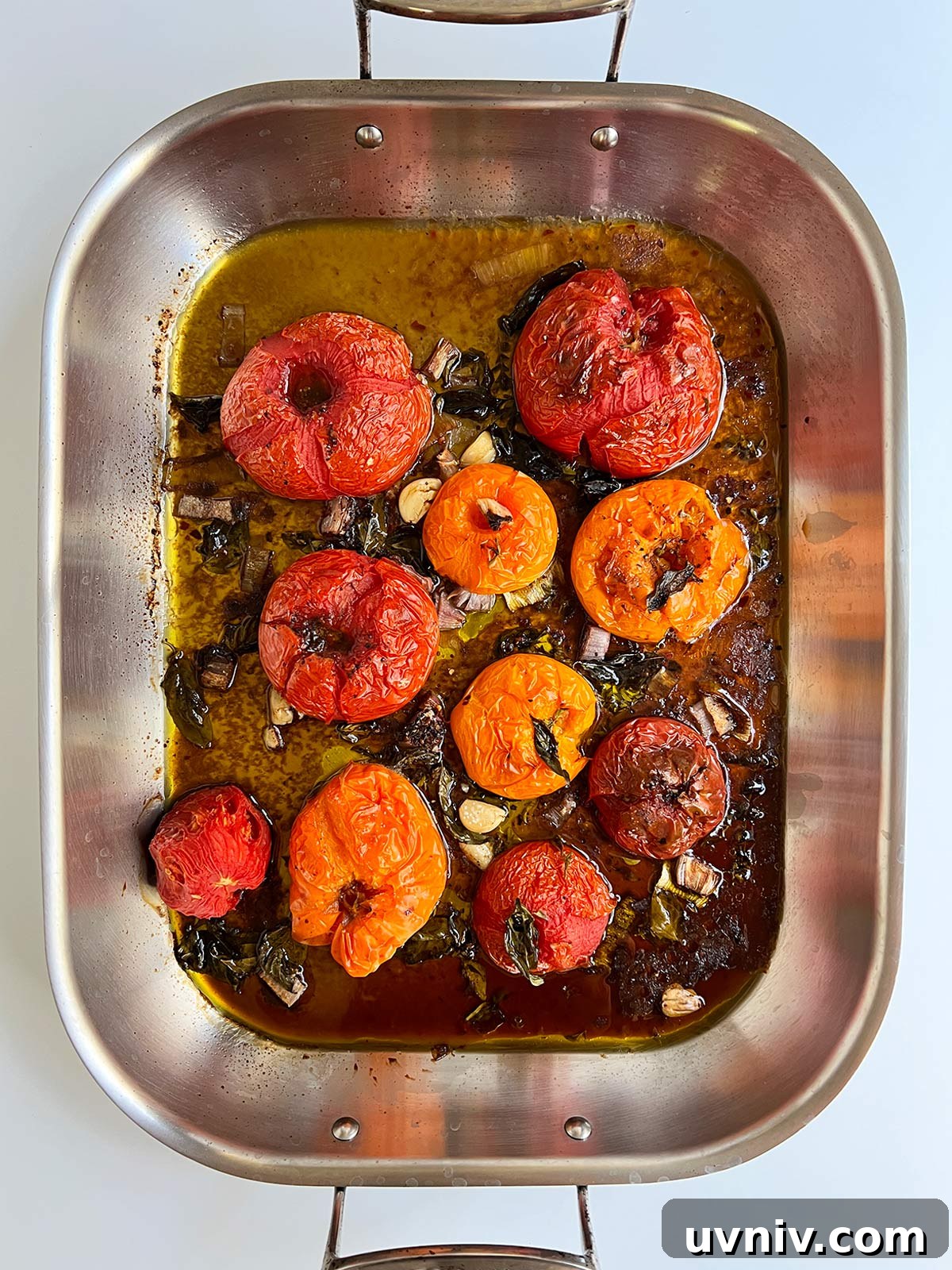
3. Roast 35–45 minutes, until the tomatoes are softened and edges begin to caramelize. Remove from the oven and let cool slightly.
Blend the sauce
4. When cool enough to handle, transfer the roasted mixture to a blender. Add the reserved basil and blend on high about a minute, until smooth. Taste and adjust seasoning — more salt, pepper or vinegar if needed.
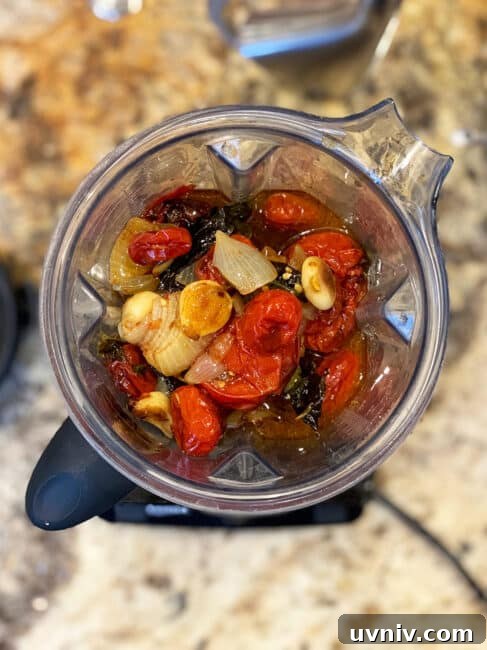
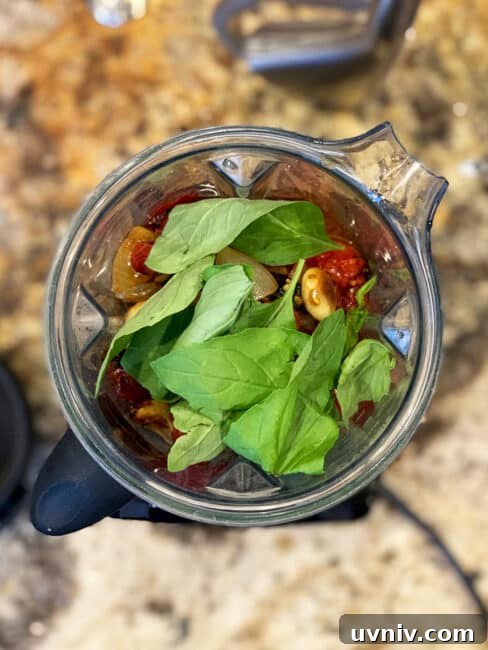
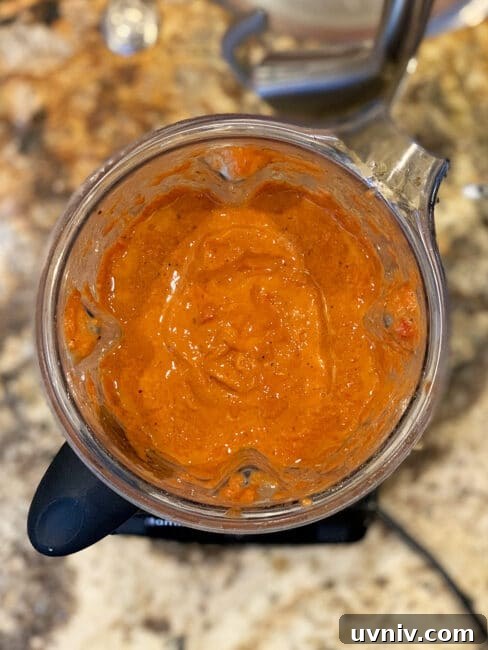
Reheat the sauce gently, then serve over pasta, roasted vegetables, or use as desired. It also freezes well in airtight containers for future meals.
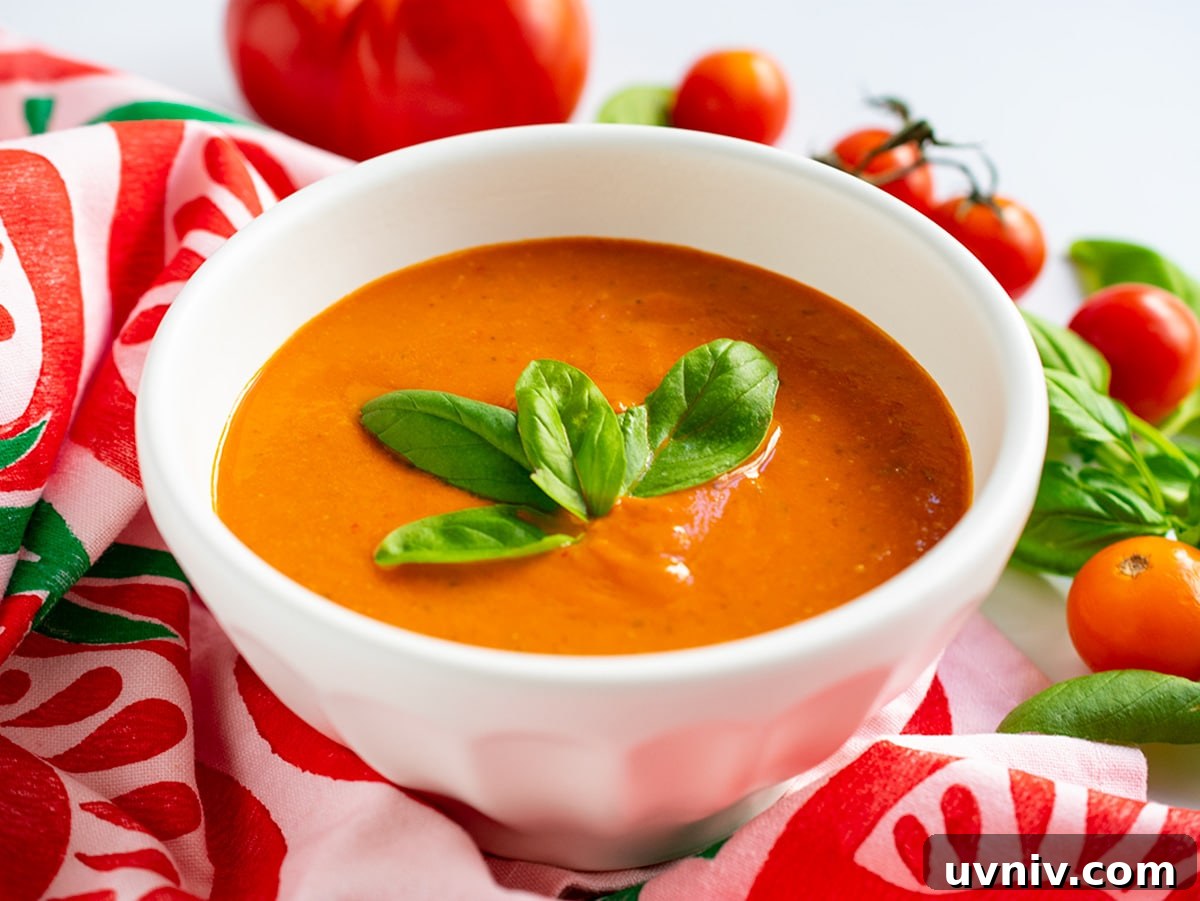
Tips and shortcut suggestions
- If you don’t have shallots, substitute a small amount of onion; shallots are milder so use a touch less.
- No fresh herbs? Dried oregano and basil will work — add dried earlier in the roasting stage and fresh basil at the end if possible.
- Add roasted red peppers to the blender for a smoky-sweet variation, either pre-roasted or stirred into the pan.
- For more heat, include crushed red pepper flakes during roasting or blending.
- To make a meat sauce, brown your chosen meat, then add the blended sauce and simmer briefly before serving with pasta.
FAQs about roasted tomato pasta sauce
Yes. Roasting concentrates and caramelizes flavors, and a splash of balsamic and a good amount of olive oil and herbs helps compensate when tomatoes aren’t at their peak. Results vary by tomato quality, but this method reliably produces a tasty sauce.
Absolutely. Cool completely, portion into freezer-safe containers or bags, label with the date, and use within about three months for best flavor.
No. Simply core them and roast with the skins on. The skins soften during roasting and blend smoothly, saving prep time.
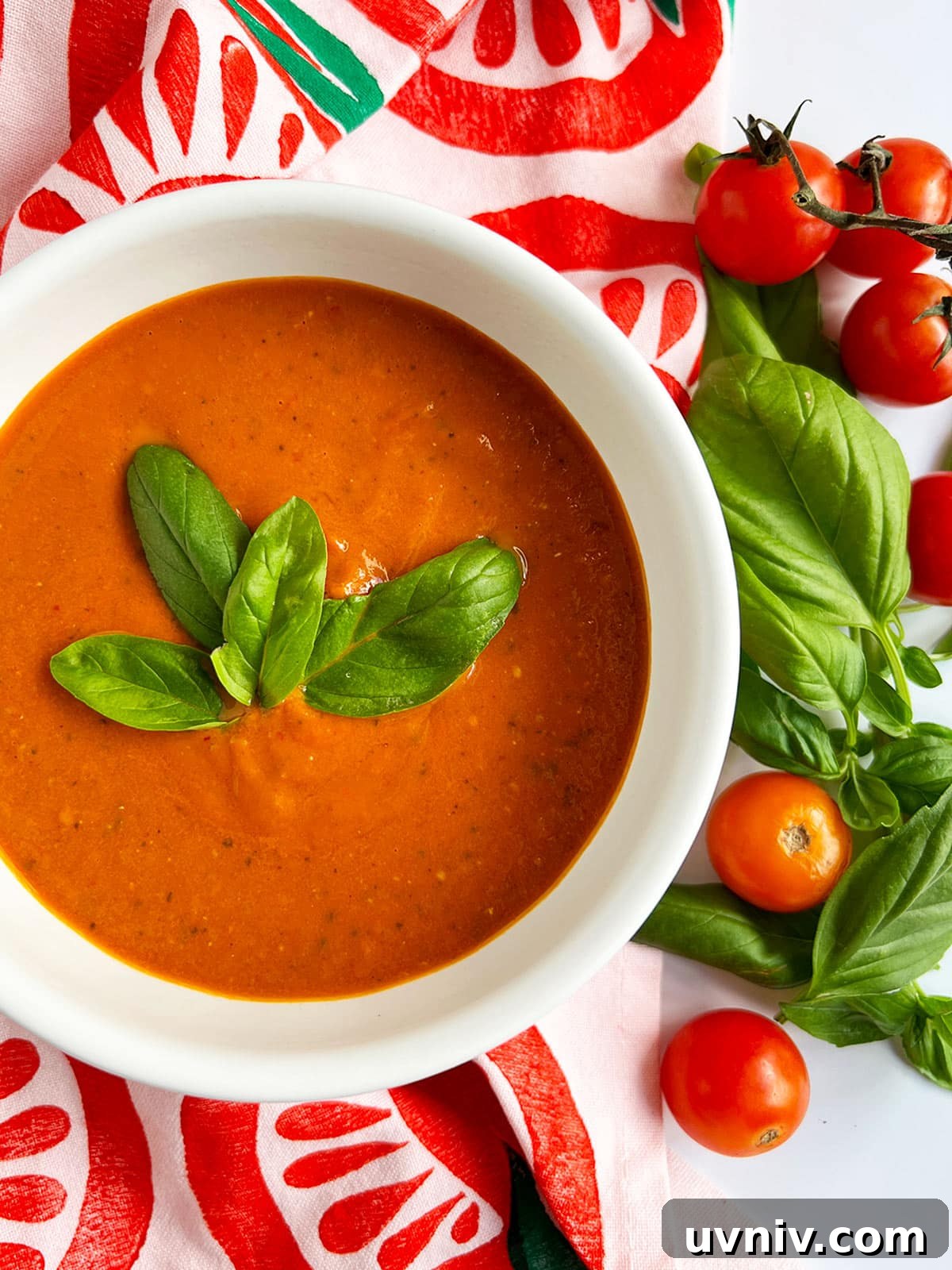
What to serve with this sauce
This sauce pairs beautifully with pasta and roasted vegetables for an easy vegetarian meal. It’s also excellent with chicken, eggplant, polenta fries, or used as a flavorful pizza sauce. Here are a few serving ideas:
- Over pasta with roasted vegetables
- As a finish for lemon garlic chicken
- With baked or fried eggplant as a vegetarian main
- On pizza or with polenta fries as a dipping sauce
- In chicken or eggplant parmesan for a classic comfort dish
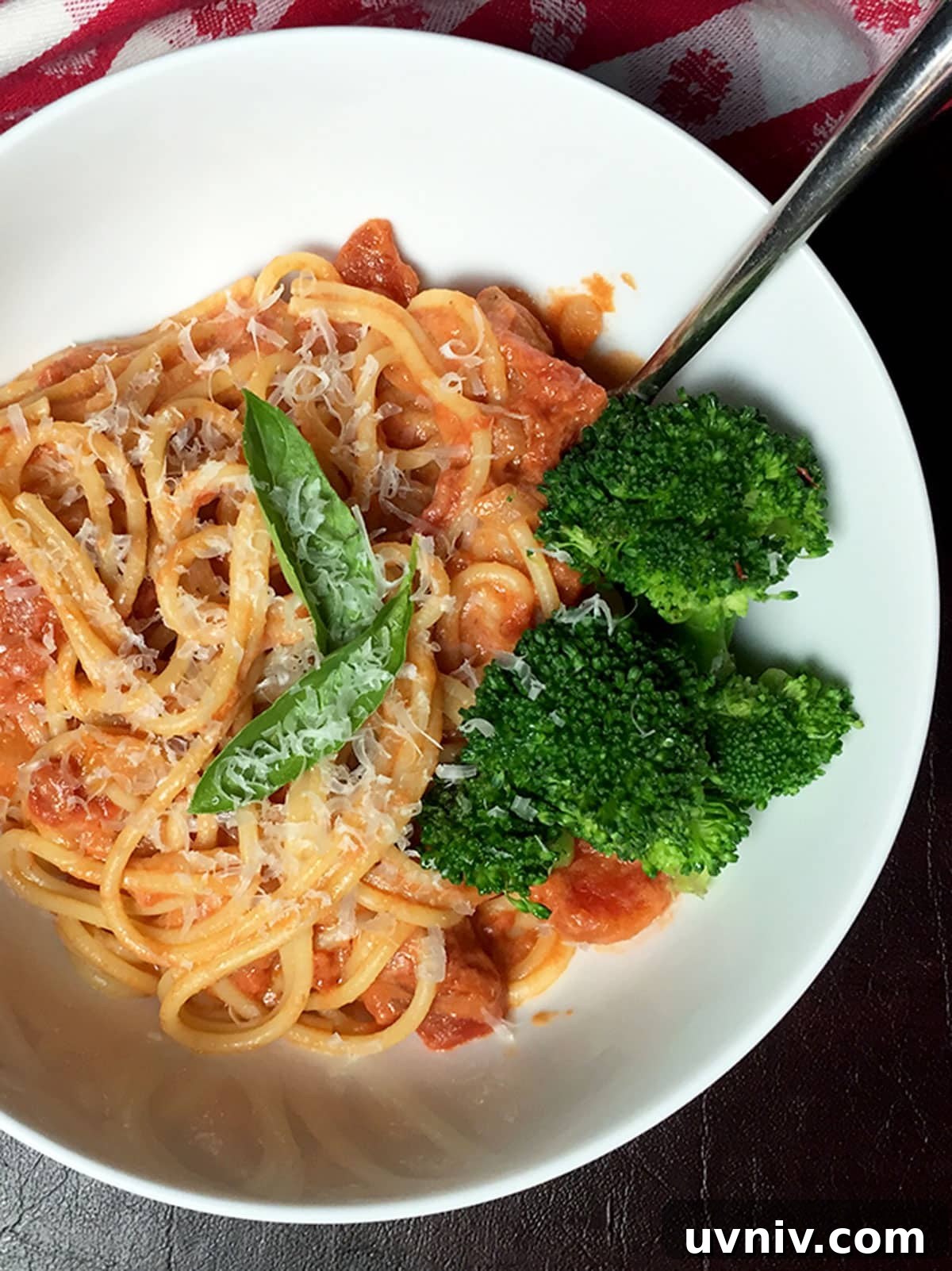
Roasted Tomato Sauce
Equipment
- Roasting pan
- Blender
Ingredients
- 3–4 pounds ripe tomatoes, cored
- 3 shallots, roughly chopped (about ¾ cup)
- 1½ cups fresh basil leaves, divided (reserve ½ cup for blending)
- ¼ cup fresh oregano leaves (or 2–3 tsp dried)
- 6 large garlic cloves, peeled
- ¾ cup olive oil (extra virgin, but not a delicate finishing oil)
- ¼ cup balsamic vinegar
- 1 tsp kosher salt
- 1 tsp coarsely ground black pepper
- ¼ tsp red pepper flakes (optional)
Instructions
- Preheat oven to 400°F. Core tomatoes, chop shallots, peel garlic, and tear 1 cup basil leaves. Remove oregano from stems.
- Combine tomatoes, shallots, garlic, torn basil, oregano, olive oil and balsamic in a roasting pan. Season with salt, pepper and red pepper flakes if using. Toss to coat.
- Roast 35–45 minutes, until tomatoes are softened and beginning to caramelize. Remove and let cool slightly.
- Transfer roasted mixture to a blender, add the reserved ½ cup basil, and blend on high until smooth, about 1 minute. Adjust seasoning to taste.
- Reheat gently and serve over pasta or vegetables, or cool and freeze in airtight containers.
Notes
- Substitute onion for shallots if needed; use slightly less.
- Use dried herbs in a pinch and reserve fresh basil if possible for brightness.
- Add roasted red peppers to the blend for a sweeter, smoky profile.
- Increase crushed red pepper for extra heat.
- For a meat sauce, brown meat, then add blended sauce and simmer briefly before serving with pasta.
Nutrition
Carbohydrates: 11 g
Protein: 2 g
Fat: 27 g
Saturated Fat: 3 g
Sodium: 401 mg
Potassium: 514 mg
Fiber: 3 g
Sugar: 6 g
Vitamin A: 1925 IU
Vitamin C: 27.9 mg
Calcium: 70 mg
Iron: 1.7 mg
Enjoyed this post? Sign up for the email list to get new recipes and updates.

Love Middle Eastern and Mediterranean flavors? Join the community for more inspiration and recipes.

If you enjoy these recipes, consider supporting recipe development and free content through a small contribution.