This seed starting guide explains everything you need to know about starting seeds: why it’s worth doing, where to find good varieties, step-by-step instructions, and practical tips to grow healthy seedlings.
Winter is an ideal time to plan your garden. It helps lift the winter blues and gives you a quiet season to dream, plan, and begin seeds indoors so you’re ready when spring arrives.
Starting my own seeds opened a new world of gardening for me, and over the years I’ve documented the techniques that worked best. This guide gathers those lessons in one place so you can find the “why, where, and how” of seed starting quickly.
In this guide you’ll find everything needed to begin growing plants from seed, plus tips to help seedlings thrive. With clear instructions and time-saving methods, it’s useful for complete beginners and experienced gardeners alike.
Why seeds matter
When I started growing vegetables and flowers from seed, I truly felt like a gardener. Starting seeds gives you control over exactly what you grow and when you plant it, allowing you to match varieties to your tastes and schedule.
There’s also a special satisfaction in planting a tiny seed, watching it sprout and mature, and then harvesting or enjoying the flowers. It’s rewarding, often easier than expected, and it saves money — a packet of seeds typically costs the same as a single nursery start and can last for years.
I recommend trying seed starting for at least some of your garden. Once you experience the flexibility and variety seeds offer, you’re likely to keep doing it.
Seed Starting Guide
Why Start Plants From Seeds?
Starting your own plants gives you variety, timing, and choice. You don’t have to start everything from seed — if you only need one plant, a nursery start may be easier — but for many crops it’s helpful to have seedlings ready when your planting date arrives.
Seed starting lets you grow varieties that nurseries don’t carry and ensures you have the numbers and types of plants you want for spring or fall planting. It’s especially valuable when garden centers have limited selection or stock for a season.
Starting seeds for a fall garden
Starting seeds indoors can make a fall vegetable garden much easier to manage. You can produce the exact varieties and quantity you need and transplant them into beds when ready for cooler-season production.
Where to Buy Seeds
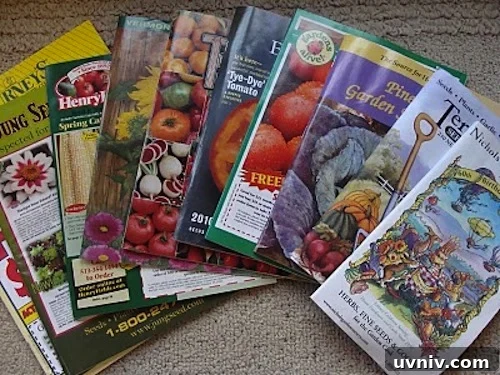
If your local garden store carries quality seed, it’s convenient to buy there. Catalogs and online seed companies, however, offer far more variety, detailed growing information, and different options such as organic or treated seed.
Catalogs are a great learning resource, with descriptions of varieties, growing conditions, and harvesting tips. If a seed company is local to your region, their information will often be well suited to your climate.
Benefits of seed catalogs and reputable suppliers:
- Greater selection of varieties than most garden centers
- Detailed descriptions and growing tips
- Options for organic or specialty seeds
- Ability to compare packet sizes and prices
Collect catalogs, browse during the off-season, and choose seeds that match your preferences and garden conditions. Once you’ve selected seeds, store them in a cool, dry place for best longevity.
How to Start Vegetable Seeds Indoors (and Flowers)
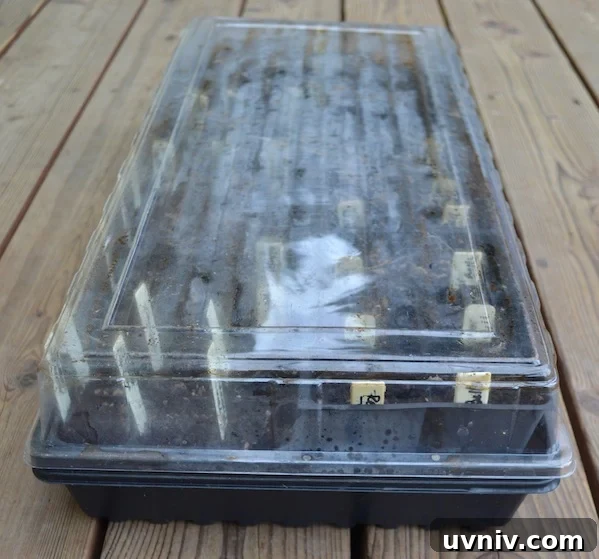
How to Start Plants From Seeds
If you’ve purchased seeds and want a straightforward, low-cost approach to start them indoors, follow a simple step-by-step method using basic equipment: seed trays or small pots, a soilless seed-starting mix, adequate light, and consistent moisture.
Key steps include sowing at the depth recommended on the packet, keeping the medium evenly moist (not waterlogged), providing bright light as soon as true leaves appear, and monitoring temperature for optimal germination.
How to Care for Seedlings
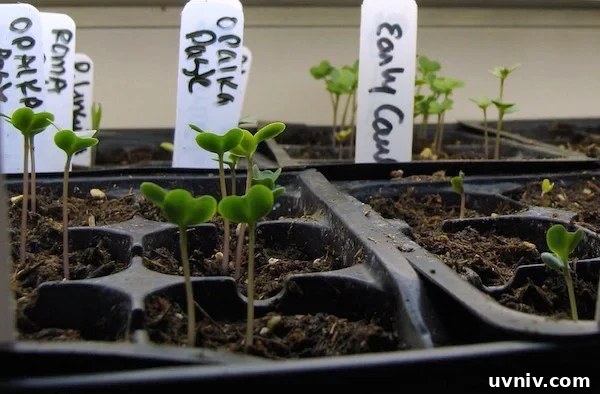
Seed care after germination is crucial. Thin seedlings to prevent overcrowding, provide steady bright light to avoid legginess, and gradually increase airflow and outdoor exposure to harden them off before transplanting.
Follow progressive care stages: initial germination, early growth with true leaves, then potting up or thinning, and finally hardening off and planting in the garden when conditions are right.
Seed varieties to try
- Tomatoes and peppers
- Brassicas: broccoli, cabbage, cauliflower
- Leafy greens: lettuce, kale, chard
- Marigolds, cosmos, sunflowers for earlier blooms
- New vegetable varieties you want to experiment with
Seed Starting Guide FAQ:
Germination times vary by species. Seed packets often list typical germination ranges. For example, tomato seeds commonly sprout in 4–7 days, while peppers can take two to three weeks or longer and may benefit from bottom heat.
Seed packet dates give a guide; many seeds remain viable for several years if stored properly. If you’re unsure, do a simple paper towel germination test: place a sample of seeds on a damp paper towel, roll it up, keep it warm for several days, and check how many sprout to estimate viability.
A soilless seed-starting mix is recommended because it’s light, sterile, and drains well. Avoid mixes containing field soil, compost, or manure that can introduce fungal problems. If you prefer, follow a reliable recipe to make your own starting mix.
Common choices to start indoors include tomatoes, peppers, brassicas (broccoli, cabbage, cauliflower), lettuce for an early start, kale, chard, marigolds, cosmos, and sunflowers when you want earlier blooms. Also start new or rare varieties indoors to ensure successful establishment.
Some crops dislike transplanting and usually do better sown directly outdoors, such as carrots, beets, parsnips, corn, beans, and potatoes. These are typically easier and more productive when direct-seeded into the garden.
Find your first and last frost dates for your area and follow seed packet directions. Many planting calendars allow you to enter your location to determine optimal indoor sowing dates for vegetables and flowers.
Use local frost dates and packet instructions to time direct sowing. Peas, spinach, successive plantings of lettuce, zucchini, cucumbers, pumpkins, squash, zinnias, sunflowers, and nasturtiums typically do well when sown directly outdoors at the appropriate season.
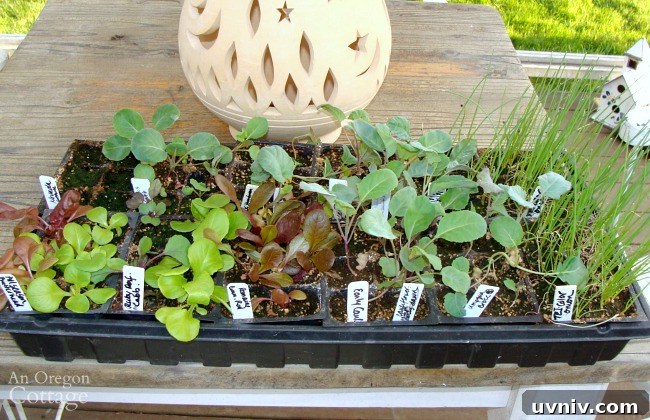
More Seed Starting Tips
Additional practical tips include reading reputable gardening resources for specific crop guidance, learning from university extension publications, and following experienced gardeners’ best practices for seed starting, light, temperature control, and transplanting. Start small, keep records of varieties and dates, and adjust methods as you learn what works best in your garden.
- Use a reliable seed-starting mix and clean trays to reduce disease risk
- Provide bright light and good air circulation to prevent legginess and damping-off
- Harden off seedlings gradually to prepare them for outdoor conditions
- Keep a planting calendar and note first/last frost dates for accurate timing
With a bit of planning and practice, seed starting can expand your garden options, save money, and add enjoyment to the gardening season.