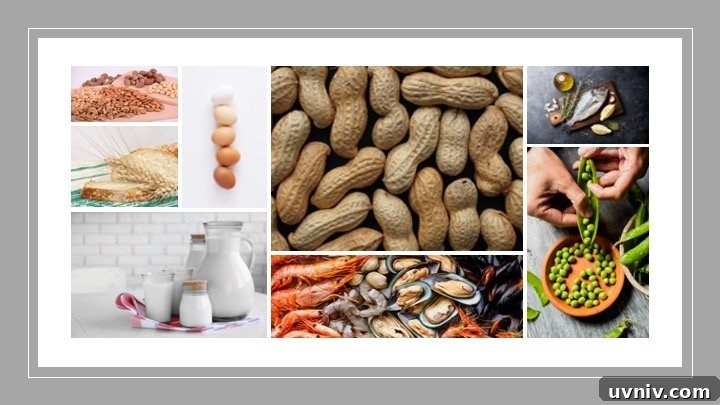
Serving allergen-free meals in schools can be challenging, but practical steps make it achievable. Today, roughly one in every 13 children (about 8%) has a food allergy, 40% of affected children react to more than one food, and nearly 20% of allergic reactions occur at school.

Top allergens
The Food Allergen Labeling and Consumer Protection Act recognizes eight major food allergens: milk, eggs, peanuts, tree nuts, fish, shellfish, wheat, and soy. These are responsible for the majority of serious allergic reactions.
What practical strategies help keep students with food allergies safe in school cafeterias?
Ensure a safe environment
A safe cafeteria begins with knowing which students have food allergies and acting on that information. The following measures reduce the risk of exposure and help students feel secure:
Identify students with food allergies
Maintain up-to-date records and individualized care plans for students with food allergies. Clear identification and documented instructions help staff respond appropriately and reduce the chance of an accidental exposure.
Discourage sharing food
Discourage food sharing and educate students about why it’s unsafe. Staff should intervene when they see sharing and explain potential risks in age-appropriate language.
Prevent cross-contamination
Designate a separate preparation area and dedicated utensils for allergen-free meals. Establish clear cleaning and sanitizing protocols for equipment and surfaces to avoid cross-contact.
Handwashing during food handling
Proper handwashing is essential. Staff should wash hands for at least 20 seconds before, during, and after preparing allergen-free meals, and encourage students to do the same before eating.
Education
Education for food-service staff, teachers, and volunteers is critical. Training should cover recognizing allergens, reading ingredient labels, preventing cross-contact, and responding to allergic reactions.
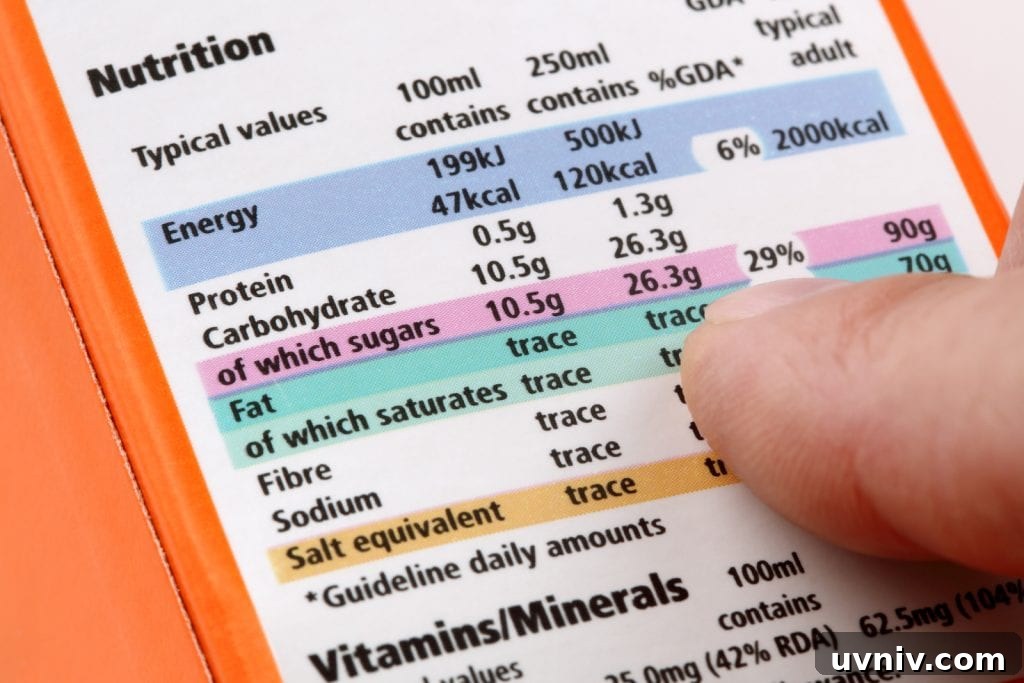
Reading food labels
When selecting ingredients, carefully read labels. The FDA requires manufacturers to declare the major allergens, but allergens can also be hidden in compound ingredients. Staff should learn common ingredient names and how allergens might be listed.
Even though many products must disclose the top eight allergens, exemptions and ambiguous labeling can occur. Be aware of ingredients where allergens may appear:
Milk: natural flavoring, caramel flavoring, rice cheese, soy cheese, high-protein flour
Egg: baked goods, artificial flavoring, lecithin, nougat, some pastas
Fish: Worcestershire sauce, some barbecue and Caesar dressings, surimi
Shellfish: fish stock, surimi, seafood flavorings, bouillabaisse mixes
Peanut: baked goods, candies, some fried foods, graham cracker crusts, hydrolyzed plant protein, nougat, natural flavors
Tree nut: nougat, some pastas, natural flavors, many baked goods
Soy: artificial flavoring, many Asian-style ingredients, baked goods, vegetable broth, hydrolyzed vegetable protein, natural flavors
Wheat: artificial flavoring, caramel color, dextrin, soy sauce, teriyaki sauce, surimi, textured vegetable protein
Increase scratch cooking
Preparing food from scratch reduces the chance of hidden allergens in processed ingredients. Incorporating local produce and whole ingredients through programs like Farm to School can simplify menus and offer allergen-friendly options.
Ingredient choices
Choose simple, minimally processed ingredients that work for many students. Examples include rice, beans, and corn, which are versatile, nutritious, and often allergen-free.

Brown rice
Brown rice is adaptable and nutritious—high in fiber, B vitamins, magnesium, phosphorus, and selenium. It can be used in warm bowls, salads, or as a base for vegetable-forward entrees, making it easy to create allergen-free meals.
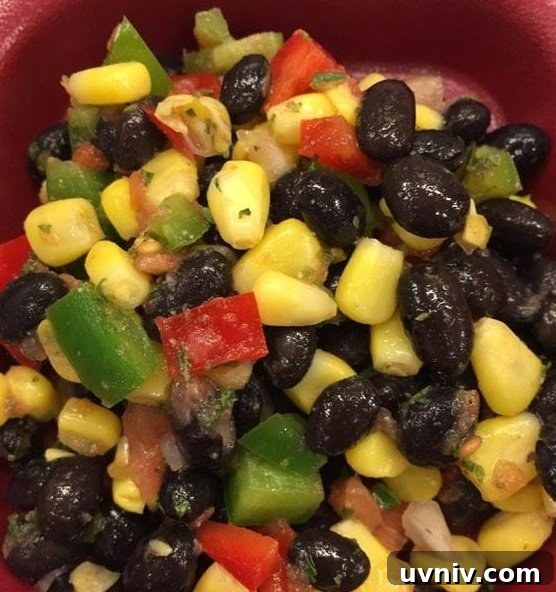
Beans
Beans are an excellent source of plant-based protein and can serve as a vegetable component. They provide iron and zinc while remaining low in sodium and saturated fat. Beans work well in soups, salads, stews, and grain bowls.
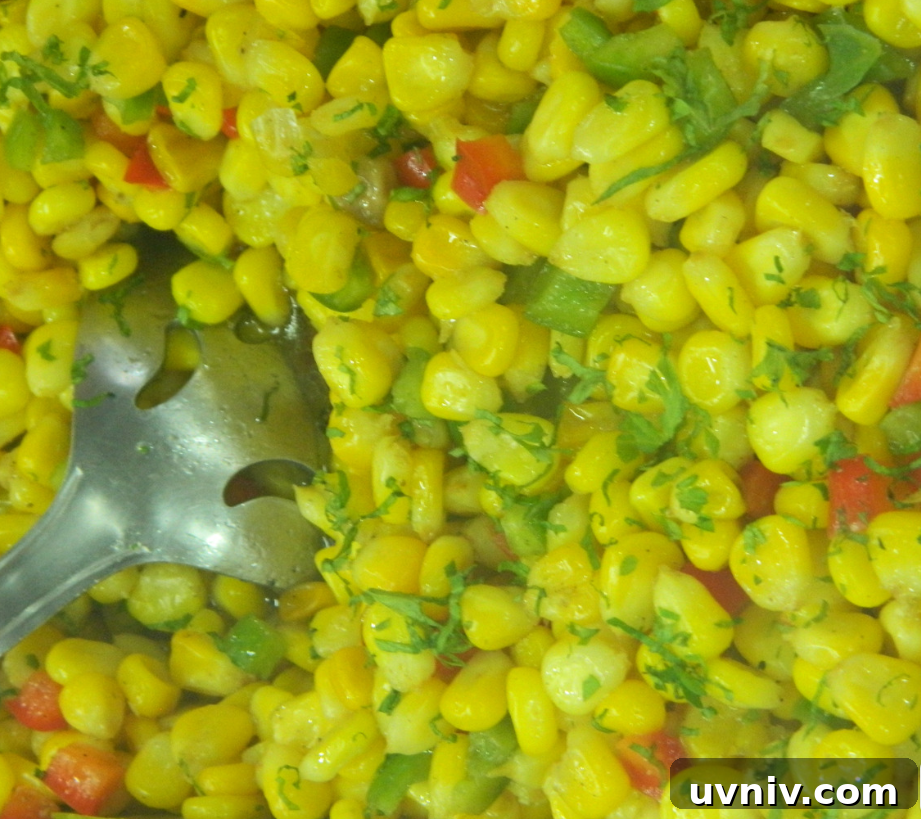
Corn
Corn offers fiber, vitamin C, vitamin B5, manganese, and antioxidants. It can be served as a side dish or incorporated into salsas and salads, adding color and texture to allergen-friendly menus.
Farm to School
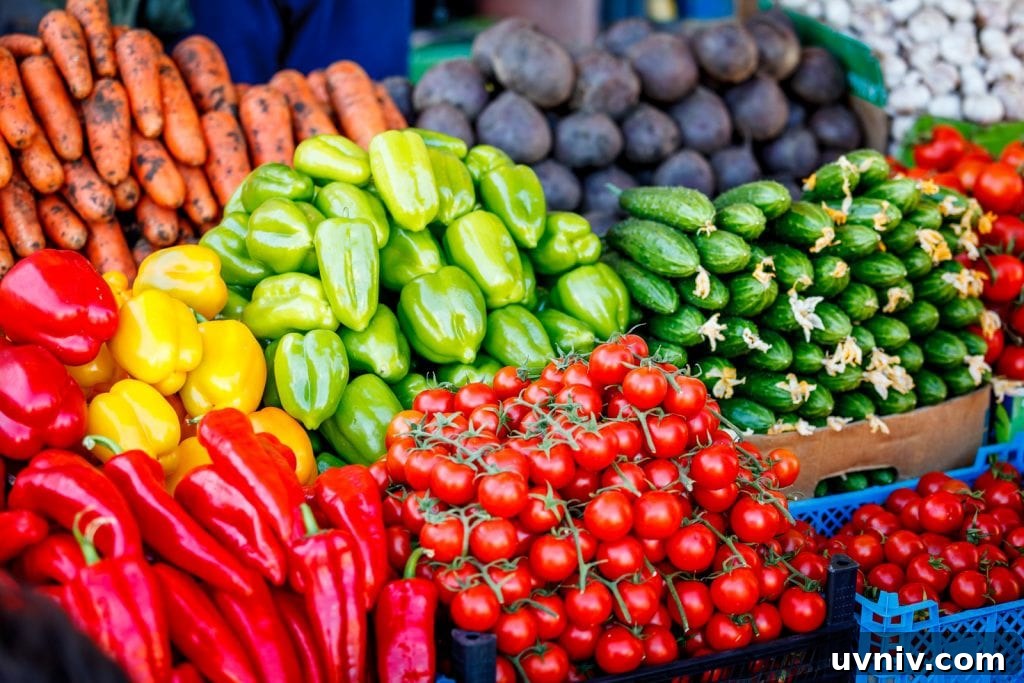
Farm to School programs introduce students to fresh fruits and vegetables and encourage healthy eating habits. Using local produce simplifies ingredient lists and often reduces allergens compared with highly processed foods. Implementing farm-to-school activities in the cafeteria supports varied, safe menu choices.
Education resources
Identifying students with food allergies, creating a safe environment, training staff, and prioritizing allergen-free ingredients together make it feasible to serve safe meals at school. Seek out reputable guidance and training materials to support your program and keep students protected.
References
Food Allergies | Healthy Schools | CDC. (2020, June 8). CDC.
FARE. (2021). Facts and Statistics. Food Allergy Research & Education.
National Center for Chronic Disease Prevention and Health Promotion. (2013). Voluntary guidelines for managing food allergies in schools and early care and education programs. CDC.
NutritionFacts.org. (n.d.). Beans and Nutrition: The Latest Research.
Harvard School of Public Health. (2019, October 21). Rice. The Nutrition Source.
Editorial Staff. (2019, September 18). Harvesting the Health Benefits from Corn. Tufts Health & Nutrition Letter.