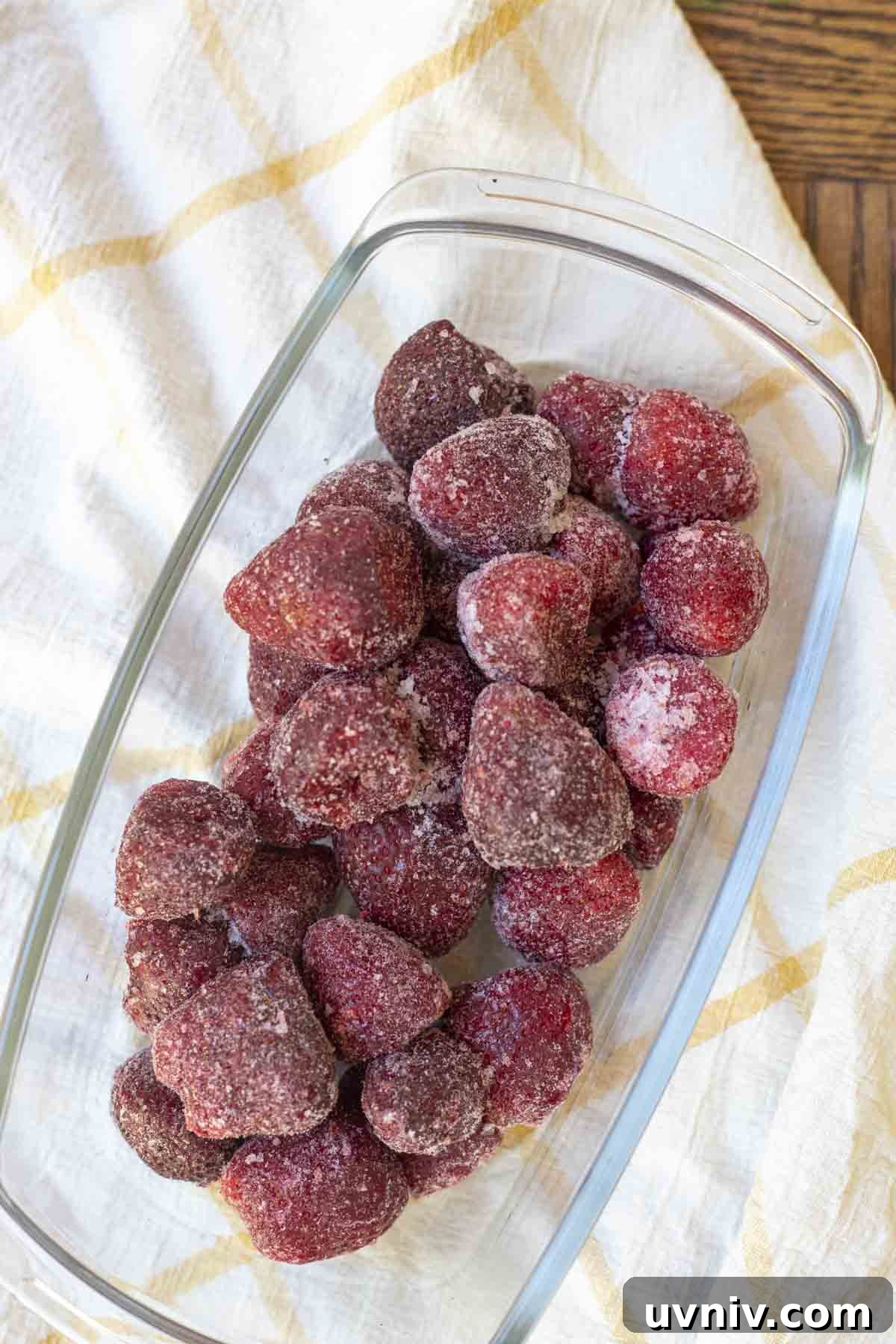
Learn how to freeze strawberries simply and effectively with this clear step-by-step guide. Preserve those sweet, seasonal berries and enjoy them later in smoothies, baking, desserts, and more. Follow these practical tips to get the best flavor and texture from your frozen strawberries.
Table of Contents
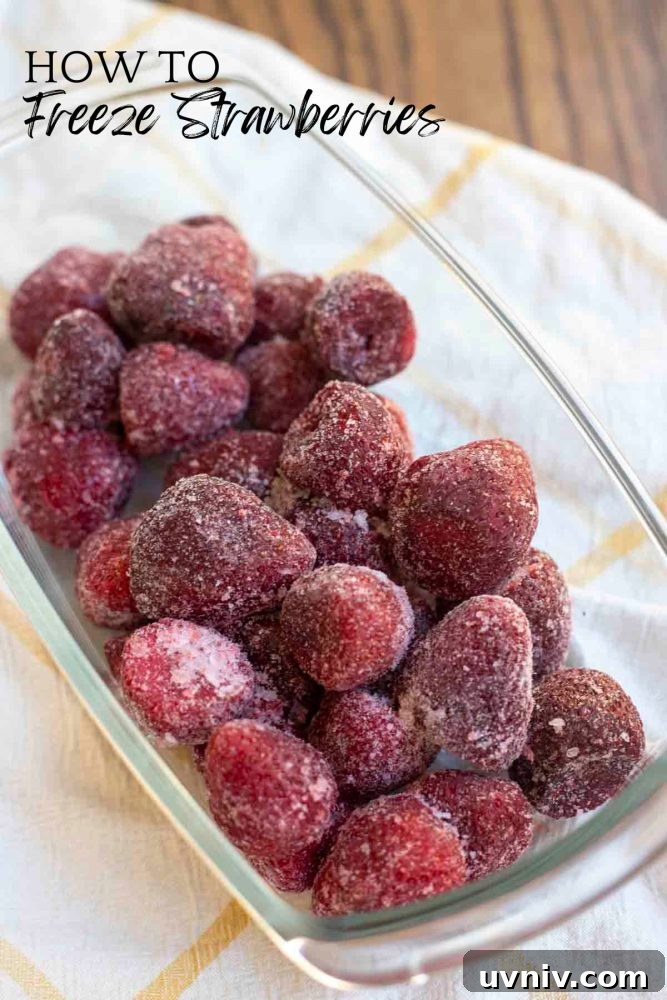
Strawberry season can be short depending on your region. Many farms offer late spring into early summer harvests, and some ever-bearing varieties provide berries into the summer. Picking strawberries is a favorite activity for many families, and it’s easy to end up with more fruit than you can eat fresh.
Freezing strawberries at their peak ripeness is an excellent way to enjoy their bright flavor all year. With a little prep, you can lock in taste and nutrients so the berries remain useful for smoothies, sauces, baking, and quick snacks.
Why you will love freezing strawberries
Enjoy year-round: Freeze strawberries at peak ripeness to enjoy their flavor in winter months.
Convenience: Keep frozen berries on hand for smoothies, parfaits, yogurt, and quick desserts without extra grocery trips.
Reduce waste: Freezing prevents excess berries from spoiling and saves money.
Versatility: Frozen strawberries work well in baking, sauces, popsicles, jams, and beverages.
Tips
- Choose ripe, firm strawberries without soft spots or bruises. Slightly overripe berries can still be frozen for cooking or smoothies.
- Wash berries thoroughly and remove stems and leaves. Let them dry completely before cutting or freezing to reduce ice crystals.
- Freeze strawberries as soon as possible after picking or buying to preserve flavor and texture.
- Freeze a mix of whole, sliced, and chopped berries for different uses.
- Store in labeled, freezer-safe bags or containers and remove excess air to prevent freezer burn.
Where to buy strawberries in bulk:
- Farmer’s markets
- Local farms
- U-pick farms
- Grow your own
- Grocery stores, especially during sales
Tools you may need:
Cookie sheet
Parchment or wax paper
Freezer-safe bags or containers (plastic or glass)
Cutting board and paring knife
Selecting the Best Strawberries
Start with the best berries you can find. Look for bright red, firm strawberries with a sweet aroma. Avoid those with mold, soft spots, or large bruises. Locally grown and unsprayed berries often have superior flavor. If berries are slightly overripe, they can still be useful for cooking, jam, or smoothies even if their texture softens after thawing.
How to freeze strawberries
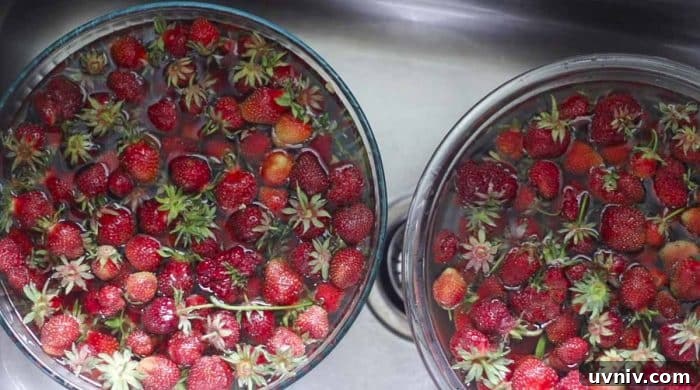
Step 1: Wash strawberries
Rinse the berries in cold water. For a deeper clean, soak them a few minutes in a mixture of 3 parts water to 1 part white vinegar, then strain and rinse with cold water.
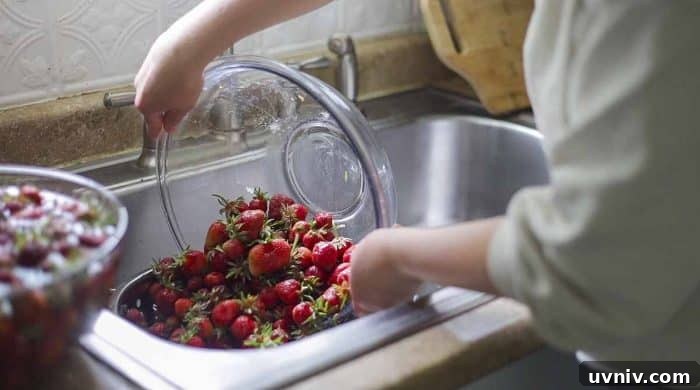
Step 2: Dry
Gently spread strawberries on a clean towel or paper towels so air can circulate. Allow them to air dry completely to reduce ice formation during freezing.
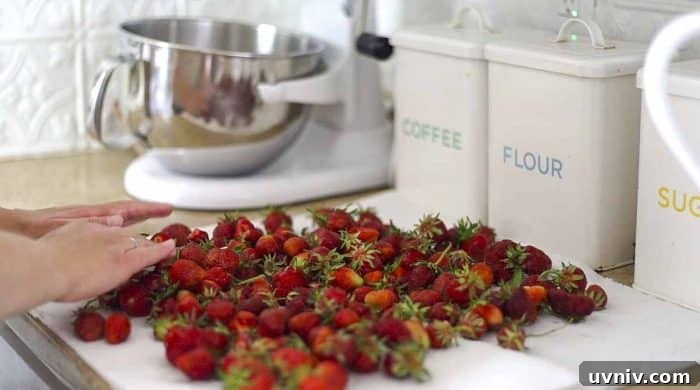
Step 3: Slice and place on a baking sheet
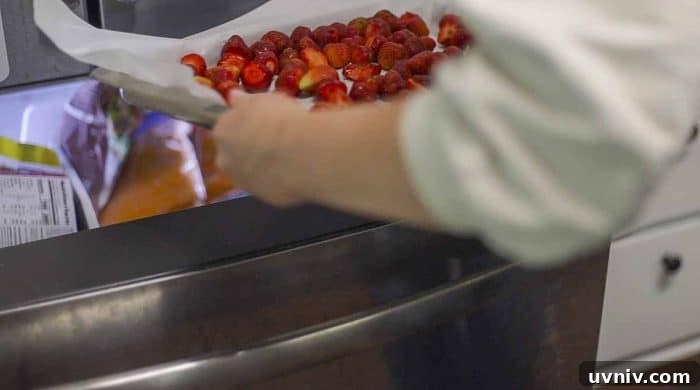
Hull the berries (remove green tops) and trim any damaged parts. Slice if desired. Lay whole or sliced strawberries in a single layer on a parchment-lined baking sheet, making sure pieces do not touch so they freeze individually.
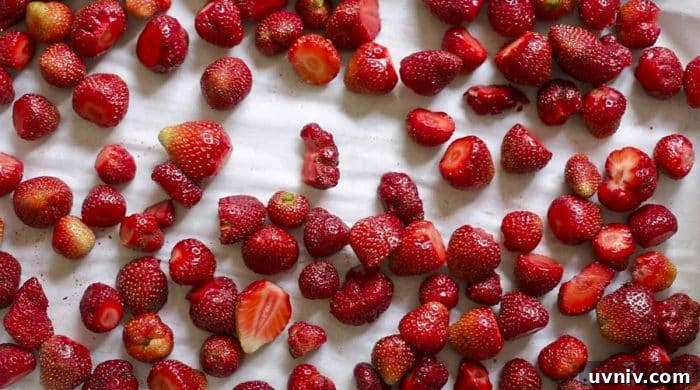
Step 4: Freeze
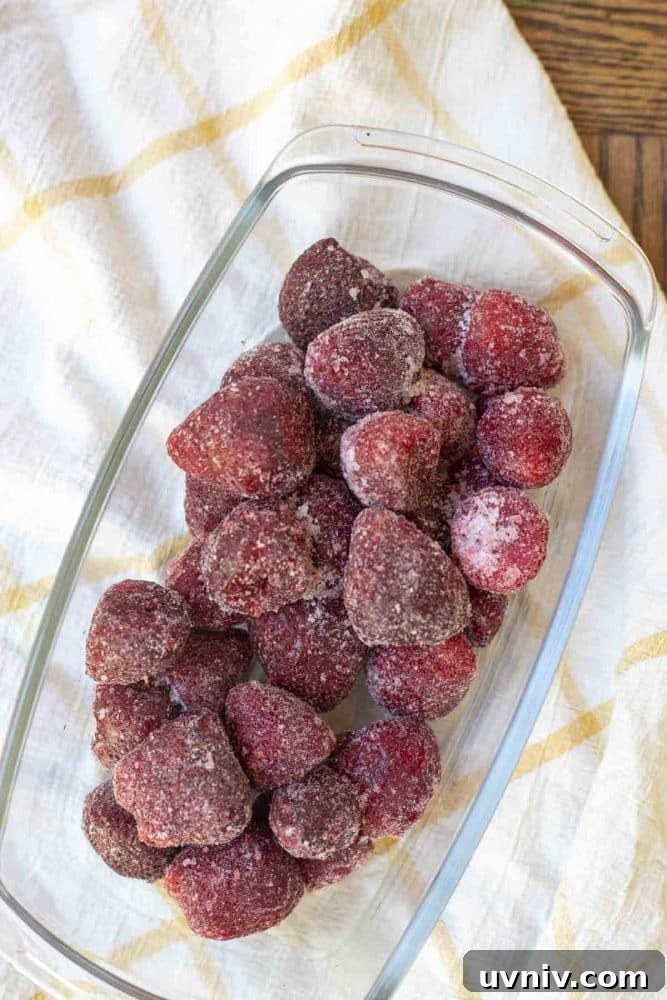
Place the baking sheet in the freezer until the strawberries are fully frozen, typically at least two hours depending on your freezer.
Step 5: Transfer for long-term storage
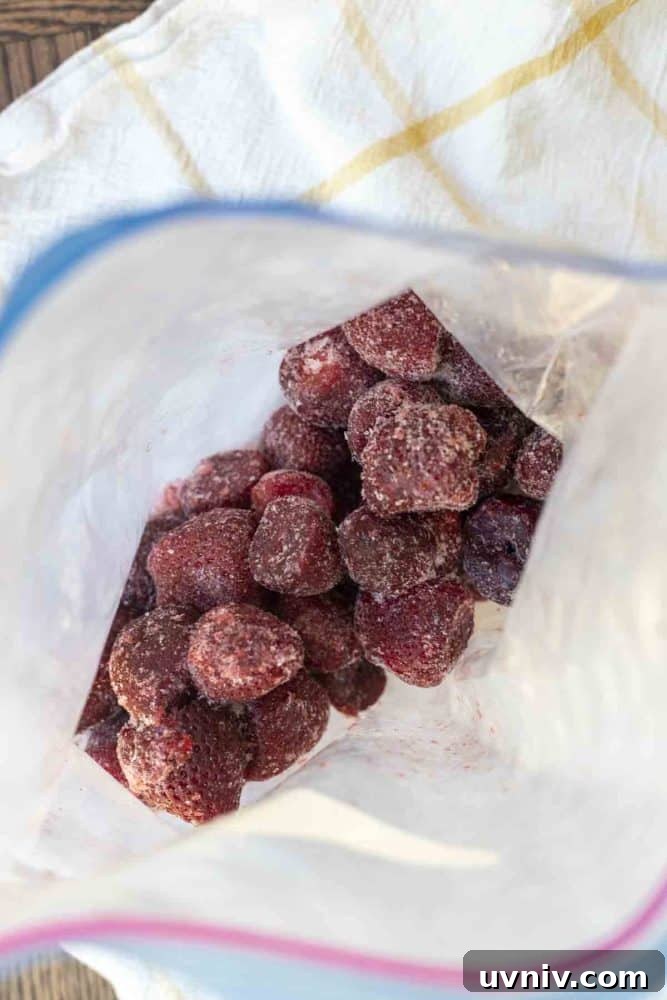
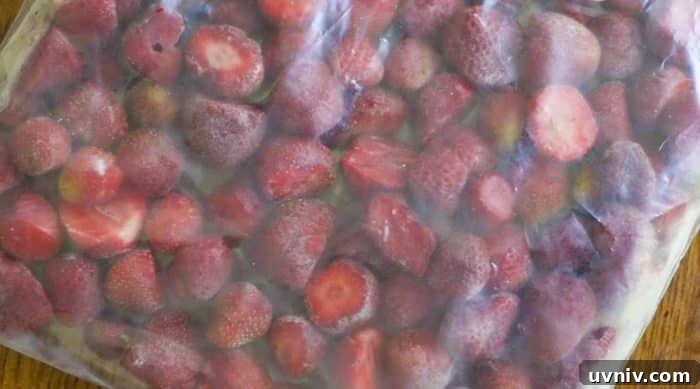
Move frozen strawberries into labeled, freezer-safe bags or containers. Squeeze out as much air as possible before sealing to minimize freezer burn. Add the date so you can use them while quality is best.
Freezing techniques for maximum freshness
Choose the technique that fits your needs: individual quick-freezing, the faster “bag” method, or packing in syrup for added protection. Each method has benefits depending on how you’ll use the berries later.
Option 1: The preferred way
Freeze strawberries on a baking sheet until solid, then transfer to containers. This prevents clumping and keeps pieces separate for easy measuring and portioning.
Option 2: The “lazy” way
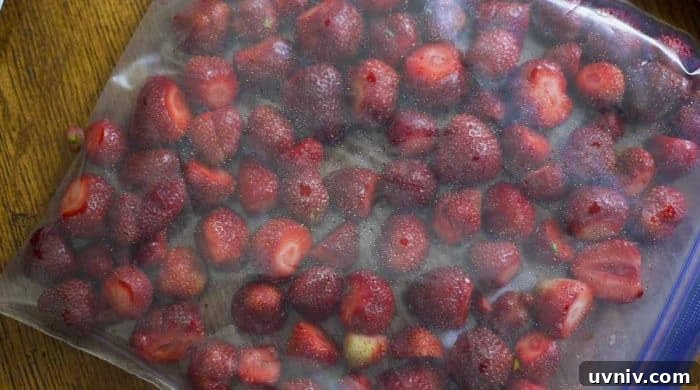
Place berries directly into a freezer bag about half full, press out air, seal, and lay flat to freeze. This is faster but may produce more ice crystals and slightly softer texture.
Option 3: In syrup
Pack strawberries in a container and cover with simple syrup (equal parts water and sugar heated until dissolved and cooled). Syrup helps preserve texture and color and reduces freezer burn—useful for fruit intended for desserts.
Whichever method you choose, label containers with the date and contents to track storage time.
Tips for storing your frozen strawberries
Proper storage extends quality and flavor:
- Use frozen strawberries within six months for best quality; they can last up to a year if stored properly.
- Keep the freezer temperature at 0°F (-18°C) or lower.
- Avoid storing in the freezer door where temperatures fluctuate; place containers toward the back or middle of the freezer.
Thawing your strawberries
The gentlest way to thaw frozen strawberries is in the refrigerator overnight. For quicker thawing, leave them at room temperature for a couple of hours or submerge a sealed bag in cold water. Avoid microwaving to prevent mushy berries. Once thawed, store in the refrigerator and use within a day or two.
Different ways to use your frozen strawberries
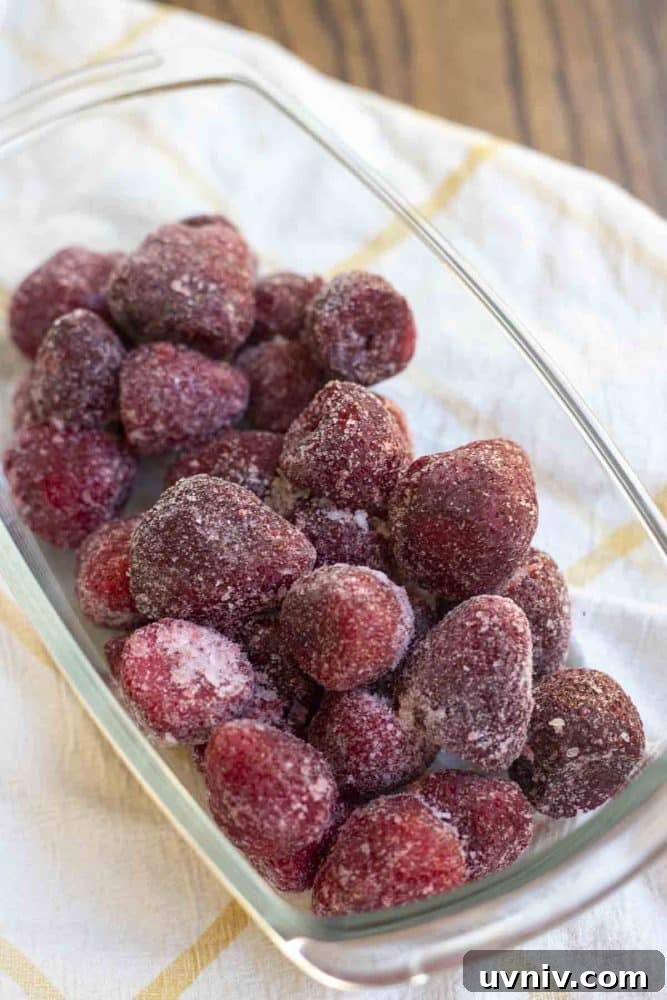
Frozen strawberries are excellent for many recipes. Their texture changes slightly after freezing, so they’re best used in preparations where a softer berry is fine:
- Smoothies and shakes
- Yogurt, parfaits, and oatmeal
- Baked goods: muffins, cakes, crisps, quick breads, and pies
- Drinks and cocktails
- Popsicles and ice cream
- Strawberry jam and preserves (frozen fruit works well for canning recipes)
- Sauces, toppings, and shortcakes
FAQ
Can I freeze strawberries with the stems still on?
Yes, but removing stems before freezing saves time later and makes portions easier to use.
Can I freeze strawberries without sugar?
Yes. Freezing without sugar is fine for most uses. Adding sugar or syrup helps retain color and can improve texture for desserts.
Can I freeze strawberries in plastic bags?
Zip-top freezer bags work well—remove excess air before sealing to reduce freezer burn.
How long can I keep frozen strawberries?
Use within six months for best quality; properly stored berries can last up to a year.
Can I freeze strawberries that are already cut?
Yes. Spread cut pieces in a single layer to pre-freeze so they don’t stick together, then transfer to storage containers.
Find more ways to preserve the harvest
- How to freeze blueberries
- How to freeze zucchini
- Homemade refrigerator pickles
- Blueberry chia jam
- How to freeze kale
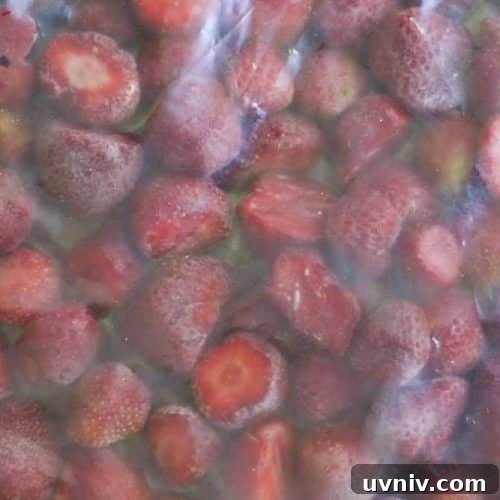
How to Freeze Strawberries
Equipment
- Cutting board
- Knife
- Freezer-safe container
Ingredients
- 1–10 lbs strawberries
Instructions
- Clean strawberries: soak in a 3:1 water-to-white-vinegar mixture for a few minutes, then strain and rinse with cold water.
- Dry: spread on a clean towel or paper towels and allow to air dry completely.
- Trim: remove stems and damaged areas; slice if desired.
- Pre-freeze: arrange berries in a single layer on a parchment-lined baking sheet so they don’t touch.
- Freeze: place the baking sheet in the freezer until the berries are solid (about two hours or more).
- Store: transfer frozen berries to freezer-safe bags or containers, remove excess air, label with the date, and return to the freezer.
Notes
- Use ripe, firm berries for the best results.
- Ensure berries are completely dry before freezing to reduce ice crystals.
- Freeze as soon as possible after harvest or purchase to lock in flavor.
- Freeze a mix of whole, sliced, and chopped fruit to suit different recipes.
- Always label containers with contents and date.