There is a serious problem with fishing practices in Europe.
More than half of the fish caught in the North Sea are returned to the ocean dead. This tragic waste is driven by well-intentioned but deeply flawed regulations designed to protect fish stocks—rules that in practice contribute to their decline.
Under the current system, fishermen receive quotas for each commercial species. They may keep and land fish until a species’ quota is reached. Once the quota is full, no more of that species may be landed.
Because the North Sea is a mixed fishery, fishermen cannot target a single species without also catching others. A crew pursuing haddock may haul in cod as well; if the cod quota is already exhausted, those cod must legally be discarded at sea.
Perfectly good fish—fresh, healthy and valuable—are thrown away as “discards” or “bycatch.” This practice wastes food, undermines fishing communities and harms the marine ecosystem.
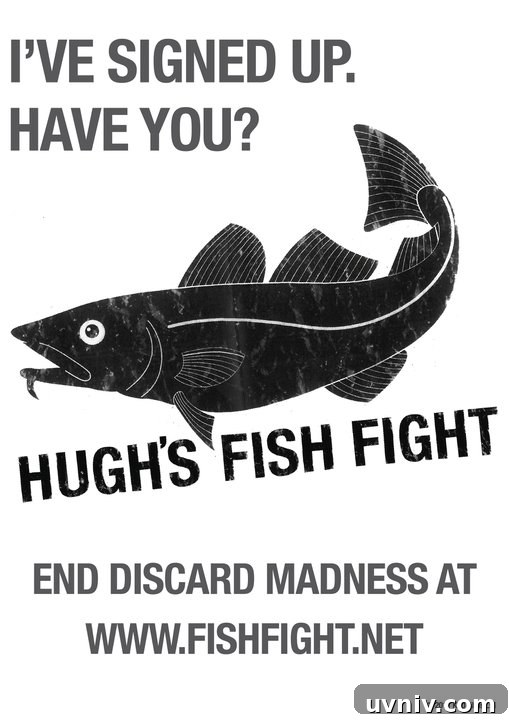
Hugh Fearnley-Whittingstall launched the Fish Fight campaign this week to challenge the policies at the heart of the issue: the Common Fisheries Policy, which is scheduled for revision in 2012.
The campaign highlights the central injustice—an enormous quantity of high-quality fish is being discarded. While Fish Fight does not prescribe a single definitive solution, it raises awareness of the unacceptable scale of discards. The complexity of the problem means there is no simple, one-size-fits-all fix, but it is clear that the current rules are wasteful and ethically wrong.
What can you do?
There are several concrete actions individuals can take to help address this problem:
- Support campaigns that push for policy change and greater accountability in fisheries management.
- Contact your elected representatives to express concern about discard practices and urge support for reforms that reduce waste.
- Change your eating habits to broaden demand for less popular species.
Eating a wider variety of fish helps shift market demand away from the few species that dominate consumption. In Britain, cod, haddock, salmon and tuna account for more than half of all fish eaten. By choosing alternatives such as coley, mackerel or flounder, consumers create a market for species that are often discarded and ease pressure on over-targeted stocks.
These lesser-used species are often cheaper, more sustainable and just as tasty as the more popular choices. Simple changes in purchasing and menu choices can reduce waste and support a more resilient fishing industry.
Addressing discard practices will require careful reform of fisheries policy, practical measures for mixed fisheries, improved monitoring and incentives for selective fishing gear. It will take time and cooperation among fishermen, scientists, policymakers and consumers, but meaningful change is possible.
Raising awareness, supporting campaigns that demand fairer rules, and diversifying our seafood choices are immediate steps we can all take to reduce waste and protect marine life for the future.