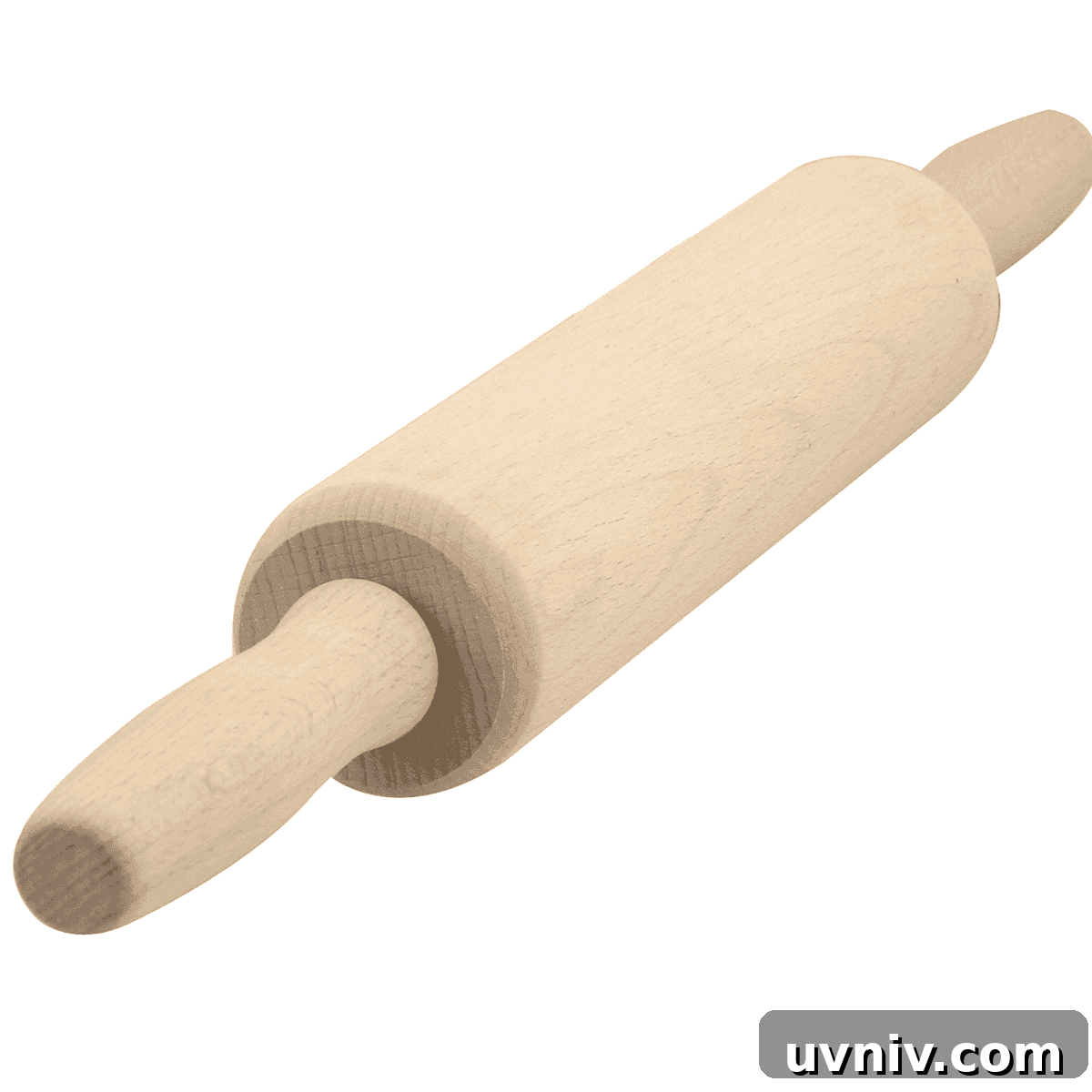
A rolling pin, known as a belan in Urdu and Hindi, is an essential tool for making roti. For most home cooks, producing consistent, well-shaped rotis is difficult without one.
There are many styles and designs available, so if you’re new to rolling rotis you might wonder which type to choose. A good rolling pin will make the task easier and more comfortable, and it can help you produce neater, more even rotis.
[feast_advanced_jump_to]
The two main types of rolling pins
Type #1: rotating rolling pins
Rotating rolling pins have a cylindrical center that turns as you roll. That rotation helps to spin the dough beneath the pin, which offers two useful benefits:
- You don’t need to pick up and turn the roti as often—the pin’s rotation helps do that for you.
- The roti tends to become rounder with less effort, because the turning action encourages an even, circular shape.
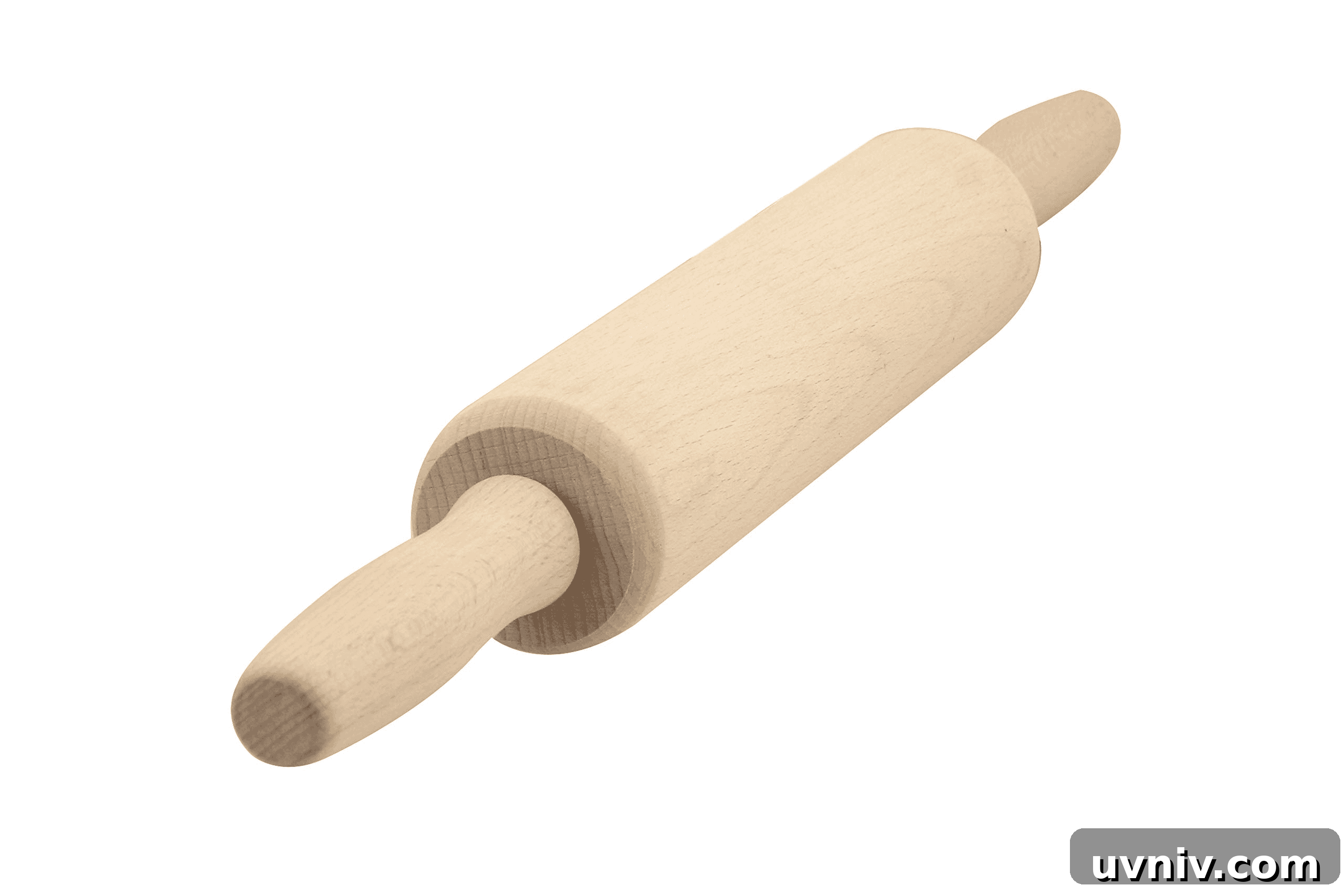
These pins usually include handles that make gripping and rolling more comfortable.
The alternative is…
Type #2: rod rolling pins
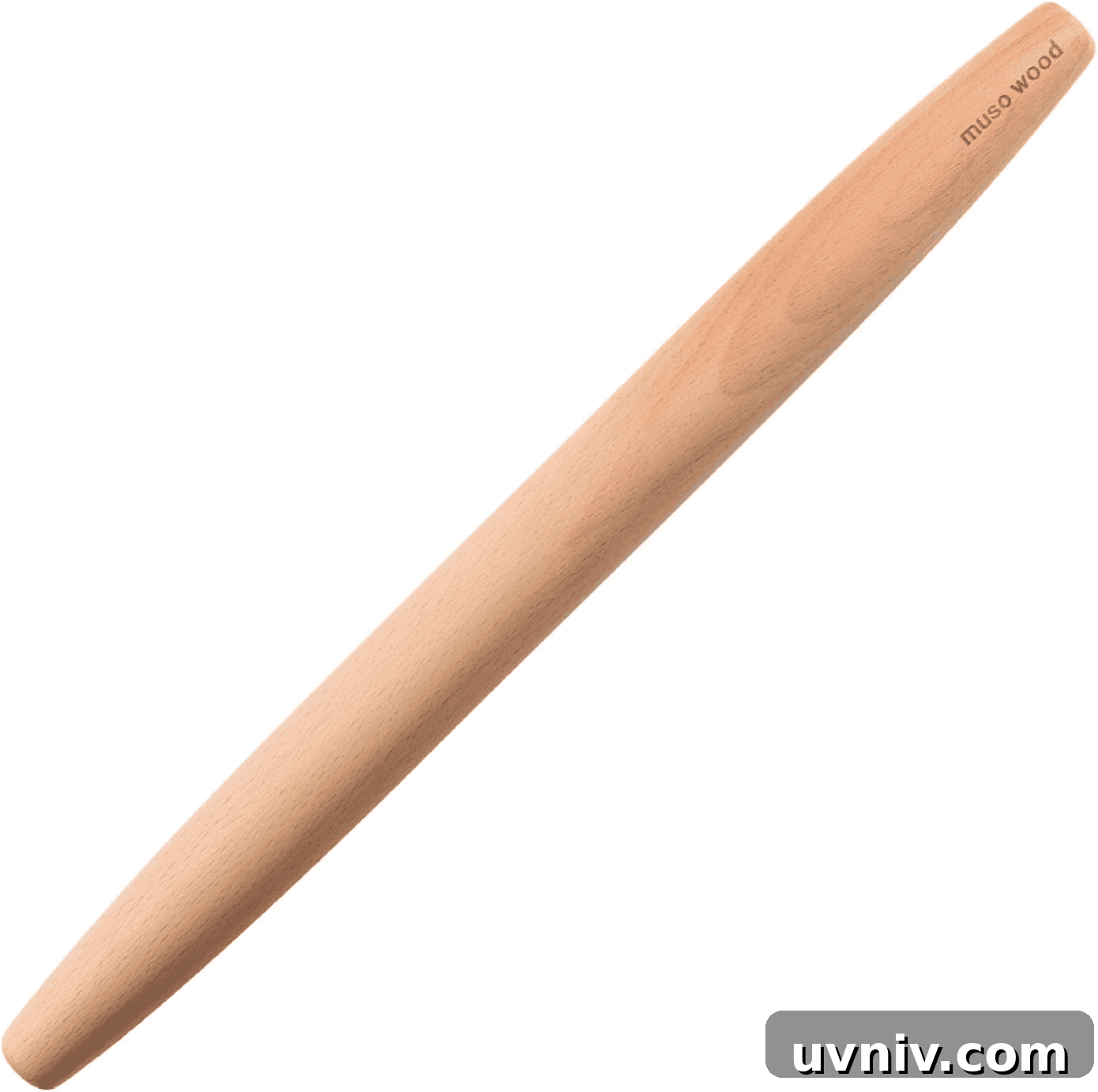
Rod rolling pins are a single, fixed piece that does not rotate while you roll. They work well for shapes that don’t require turning—triangular or square parathas, pastry sheets, or cookie dough, for example. For rotis, however, they can be less convenient because you’ll need to lift and rotate the dough regularly to keep it round.
Some rod pins include easy-to-grip handles, while others are simple straight rods. Below are examples of typical rod-style rolling pins.
My preference is the rotating rolling pin for making roti.
A rotating pin allows you to roll out rotis with less effort and greater consistency. For a demonstration, see the video embedded below to watch how smoothly rotis can be rolled using a rotating pin:
Best size for rolling pins
Length:
Avoid short, stubby pins. The central rolling surface should be at least as wide as the rotis you plan to make. Aim for a minimum of around 30 cm (12 inches) so you can roll comfortably without forcing the dough to one side.
Height and width
Height and diameter are largely personal preference. Choose a thickness that feels comfortable in your hands and allows steady pressure while rolling. I generally recommend a small or medium-sized pin—very large pins can press into your wrist and become tiring to use.
Best material to choose
Rolling pins are available in several materials today. Each has advantages depending on how you work and how much maintenance you want to do.
The classic wood
Pros: familiar feel, durable, long-lasting.
Cons: harder to clean and sanitize, requiring more upkeep to keep hygienic.
Non-stick / silicone
Pros: very easy to clean and disinfect; dough is less likely to stick, which can simplify rolling.
Cons: few—these are generally low-maintenance and practical for everyday use.
Marble
Pros: attractive appearance and easy to clean.
Cons: heavier than other materials, which may be tiring for extended use; requires care to maintain appearance.
Other pointers to keep in mind when purchasing a rolling pin
- Choose a handle that fits comfortably in your hand. A secure, ergonomic grip helps you control pressure and movement while rolling.
- Consider how easy the pin is to clean. If hygiene is a priority, non-porous materials like silicone or marble make maintenance simpler than wood.
- Test the weight—too light can feel flimsy, too heavy can tire your wrists. Aim for a balance that suits your strength and rolling style.