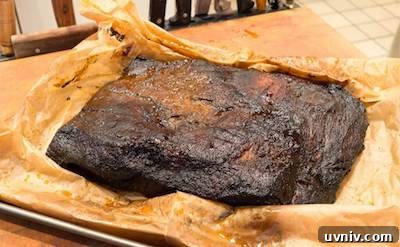
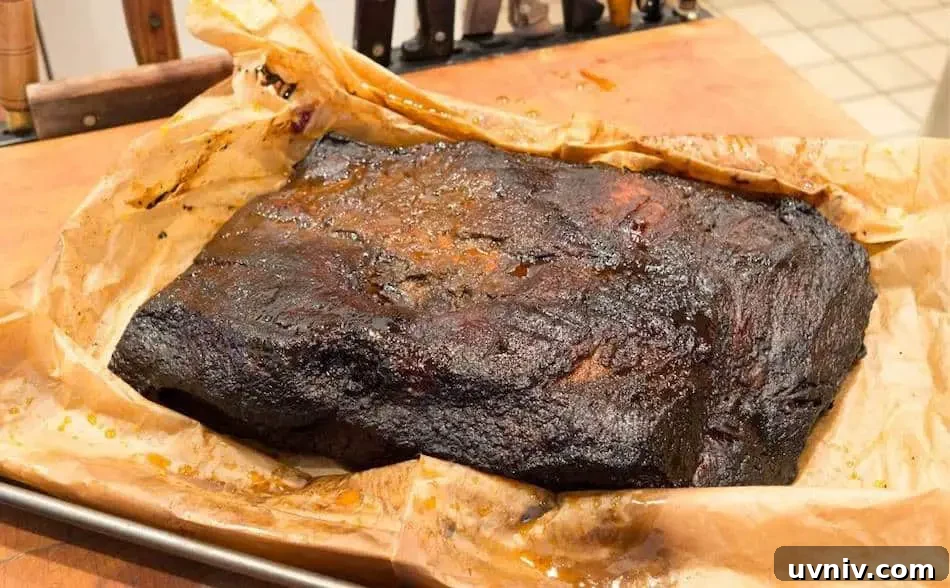
Resting brisket after it comes off the smoker is the final and essential stage of the cooking process. This step allows the meat to finish cooking gently, reabsorb its juices and relax so the final slices stay moist and tender. Although brisket will continue to rise in temperature after being removed from heat, proper resting and holding ensures you serve a juicy, flavorful result rather than a dry one.
Rest your brisket at least 30 minutes before slicing, though an hour is preferable. Keep the brisket wrapped while resting but vent one corner to release excess steam. To hold the brisket for longer, wrap it in a towel and place it inside a dry insulated cooler for up to four hours. During this time the meat will continue to cook slightly and will reabsorb juices, producing a more tender and flavorful brisket.
World Brisket Champion Harry Soo shares his techniques in his Competition Meat Rubs.
| Step | Description |
|---|---|
| Resting | The final stage when the brisket is allowed to settle and reabsorb moisture. |
| Resting Time | Minimum 30 minutes; 1 hour is better. |
| Wrapping | Keep the brisket wrapped in foil or butcher paper and vent a corner to let steam escape. |
| Holding | Wrap the brisket in a towel and place in a dry insulated cooler for up to 4 hours to preserve heat and moisture. |
| Carryover Cooking | The internal temperature will continue to rise after removing from the smoker; plan accordingly. |
| Temperature Tracking | Use a leave-in thermometer to monitor internal temperature during resting and holding. |
| Wrapping for Holding | Aluminium foil helps retain heat and moisture but may soften the bark due to steam. |
Rest 30 Minutes Minimum
At a minimum, rest your brisket for 30 minutes before slicing. Resting gives the muscle fibers a chance to relax so the juices redistribute back into the meat rather than running out on the cutting board. If circumstances allow, extend the rest to an hour or more for even better results.
Should I Rest Brisket Covered or Uncovered?
Keep the brisket wrapped after removing it from the smoker. Leave it wrapped and place it into a dry cooler lined with a towel to maintain heat for hours. This makes scheduling easier: a properly wrapped brisket can stay hot and ready to carve several hours after it finishes cooking, which is helpful when serving guests at unpredictable times.
Carryover Cooking
Brisket will continue to cook while resting, especially if it remains wrapped. This carryover cooking can last a while when the meat is placed into a cooler for holding. Use a leave-in thermometer so you can track the internal temperature, and factor carryover into your target temperature—don’t overshoot your desired finish temperature on the smoker.
For convenient monitoring there are modern wireless thermometers controllable by phone that eliminate wire hassle and let you track temperatures remotely.
Should I Rest Brisket in Foil?
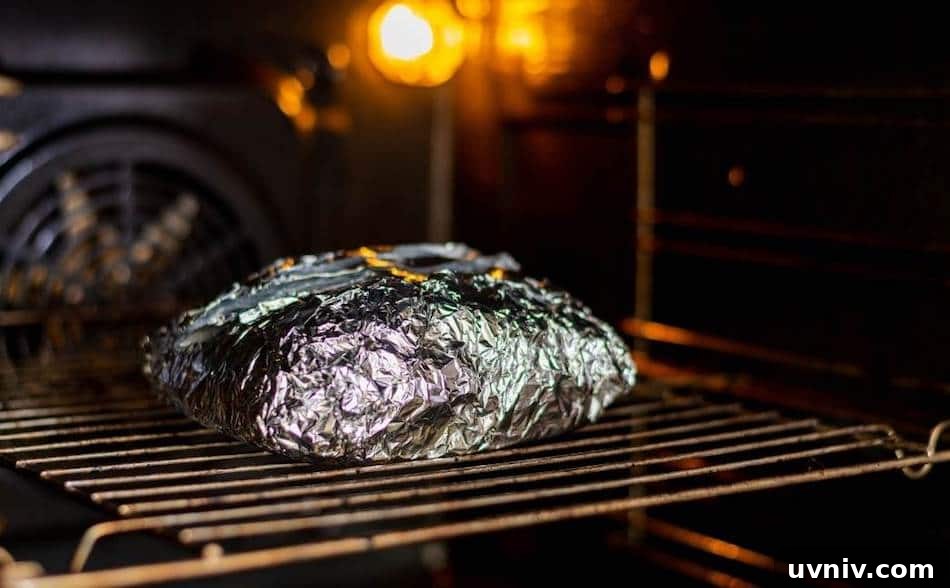
Wrapping brisket in aluminium foil during the rest prevents moisture loss and helps retain heat. After removing the meat from the smoker, keep it in foil, wrap the foil-wrapped brisket in a towel, and place it in an insulated cooler. This is a common competition technique. Note that foil traps steam and can soften the bark; if you prefer a crispier bark, you can briefly reheat the brisket uncovered on low heat before serving.
Should I Rest Brisket in Butcher Paper?
Butcher paper is another popular wrapping option. If you finish your brisket at about 195°F–203°F, remove it from the smoker and leave it in the paper for resting. Paper allows a bit more breathability than foil, which can help preserve some bark texture while still preventing excessive juice loss. Monitor the internal temperature while resting and carve when the brisket has cooled to around 150°F for best slicing.
Wrapping in butcher paper became widely known through pitmasters who showcased the differences among foil, paper and no wrap. Each method has pros and cons; experiment to find which suits your taste.
Should I Rest Brisket in a Cooler?
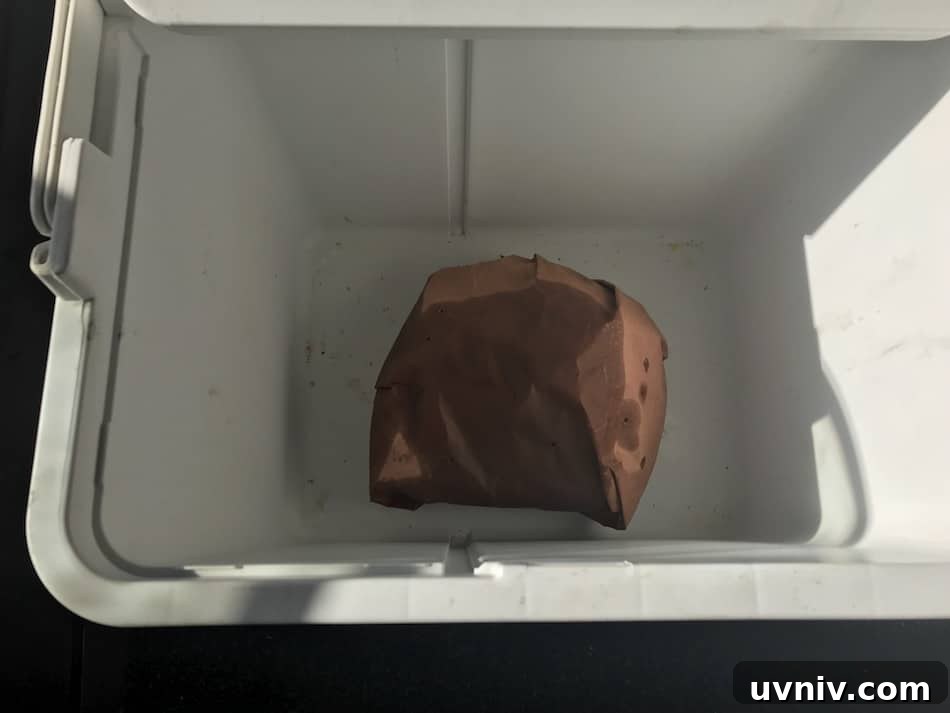
A dry cooler is an ideal place to hold a wrapped brisket. Line the cooler with towels, place the wrapped brisket inside and close the lid. Properly wrapped and insulated, the brisket can stay hot for several hours and still carve well later. Use a leave-in probe to monitor internal temperature rather than repeatedly stabbing the meat with an instant-read thermometer.
When is a Brisket Done?
Brisket is commonly considered done around 203°F internal temperature, though a few degrees either way is acceptable. Because the brisket will continue to rise slightly while resting, aim for your finish temp with carryover in mind. Cutting too soon will let the juices escape and leave the meat dry.
How to Know When Brisket is Done
Besides reaching the target internal temperature, doneness is often judged by feel. A properly cooked brisket probe should slide in like butter and the meat should have a slight jiggle. With experience you’ll learn to recognize the right texture and resistance.
Does Resting Brisket Soften the Bark?
Yes—resting in wrapped foil traps steam and can soften the bark. To restore some crispness, remove the brisket from foil after resting and return it to low heat (around 200°F–220°F) for a short time to dry the surface. Save any collected juices to spoon over sliced brisket for extra flavor.
Do You Have to Rest Brisket Before Slicing?
Yes—resting is essential before slicing. Allowing time for carryover cooking and juice redistribution prevents a dry, chewy final product. Aim for a rest between one and four hours in a cooler; when the internal temperature has dropped to about 150°F, unwrap, slice and serve.
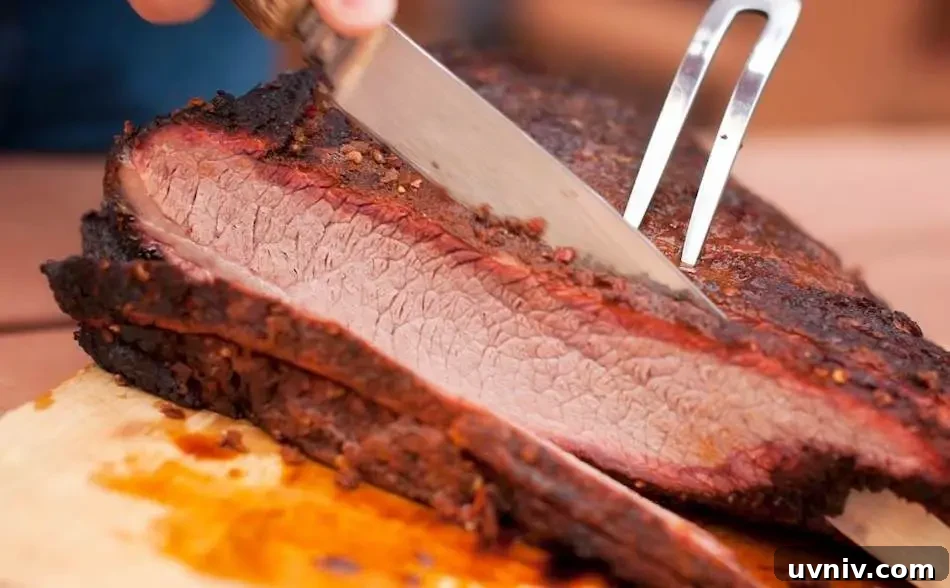
What Happens if I Don’t Rest Brisket?
Skipping the rest will usually yield a less tender and drier brisket. Resting allows residual heat to finish cooking the meat gently and gives juices time to redistribute. Slice too early and the juices run out, leaving tough, dry slices.
Does Resting Prevent Dry Brisket?
Resting helps prevent dryness by allowing the meat to reabsorb its juices. Leaving the brisket wrapped during this period preserves those juices. If you wait too long after slicing before serving, however, the exposed meat can dry out, so time your carve and service appropriately. Retain any pan juices to drizzle over slices for added moisture.
Time Management
Smoking brisket is a long process that requires planning. You cook to internal temperature, not time, so predictability improves with experience. Resting gives you schedule flexibility—properly held brisket can be ready hours before service. If you’re new to brisket, start with smaller cuts to learn timing and feel before working up to larger full packs.
| Brisket Total Cook Time | Start Time | Begin Spritzing | Wrap Brisket | Finish in Oven | Done Time (203°F) | Holding Time In Dry Cooler (1-4 hours) |
| 12 hours | 6pm | 9pm | 12am | 12am | 6am | Between 7am – 10am |
| 15 hours | 5pm | 8pm | 11pm | 11pm | 8am | Between 9am – 12pm |
| 18 hours | 2pm | 5pm | 8pm | 8pm | 8am | Between 9am- 12pm |
Thanks for reading. If you haven’t tried butcher paper yet, experimenting with different wraps will help you determine the texture and moisture balance you prefer.
Butcher Paper Comparison
In Summary
- Resting or holding brisket is the final and crucial stage to ensure moist, tender meat.
- Rest brisket at least 30 minutes; one hour or more is preferable.
- Keep the brisket wrapped while resting and vent a corner to release excess steam.
- To hold brisket for longer, wrap in a towel and place in a dry insulated cooler for up to four hours.
- Carryover cooking will continue to raise internal temperature during resting; account for this when finishing your cook.
- Use a leave-in thermometer to monitor internal temperature during resting and holding.
- Aluminium foil helps retain heat and moisture but can soften the bark; butcher paper offers a breathable alternative.
Related:
My Favorite Brisket Tools
Below are tools commonly used for smoking brisket. These recommendations reflect practical choices for monitoring temperature, injecting flavor and wrapping meat during cooks.
Meat Injector: Injecting adds moisture and flavor to the interior of large cuts and is useful for competition-style results.
Brisket Marinade: A good injection solution can enhance flavor and tenderness when applied correctly.
Butcher Paper: Unwaxed, food-grade butcher paper is popular for wrapping brisket to protect moisture while preserving more bark texture than foil.
Brisket Rub: A quality rub enhances the bark and overall flavor of the finished brisket.
Meat Thermometer: A reliable thermometer with multiple probes lets you monitor both smoker and meat temps throughout the cook.
Instant Read Thermometer: Fast, accurate instant-read thermometers are essential for verifying temperature at various locations in the brisket during the finish stages.
Advanced Thermometer and Controller: For those who want remote monitoring and automated control, multi-channel Bluetooth/Wi‑Fi units can track several probes and log cooks for greater consistency.