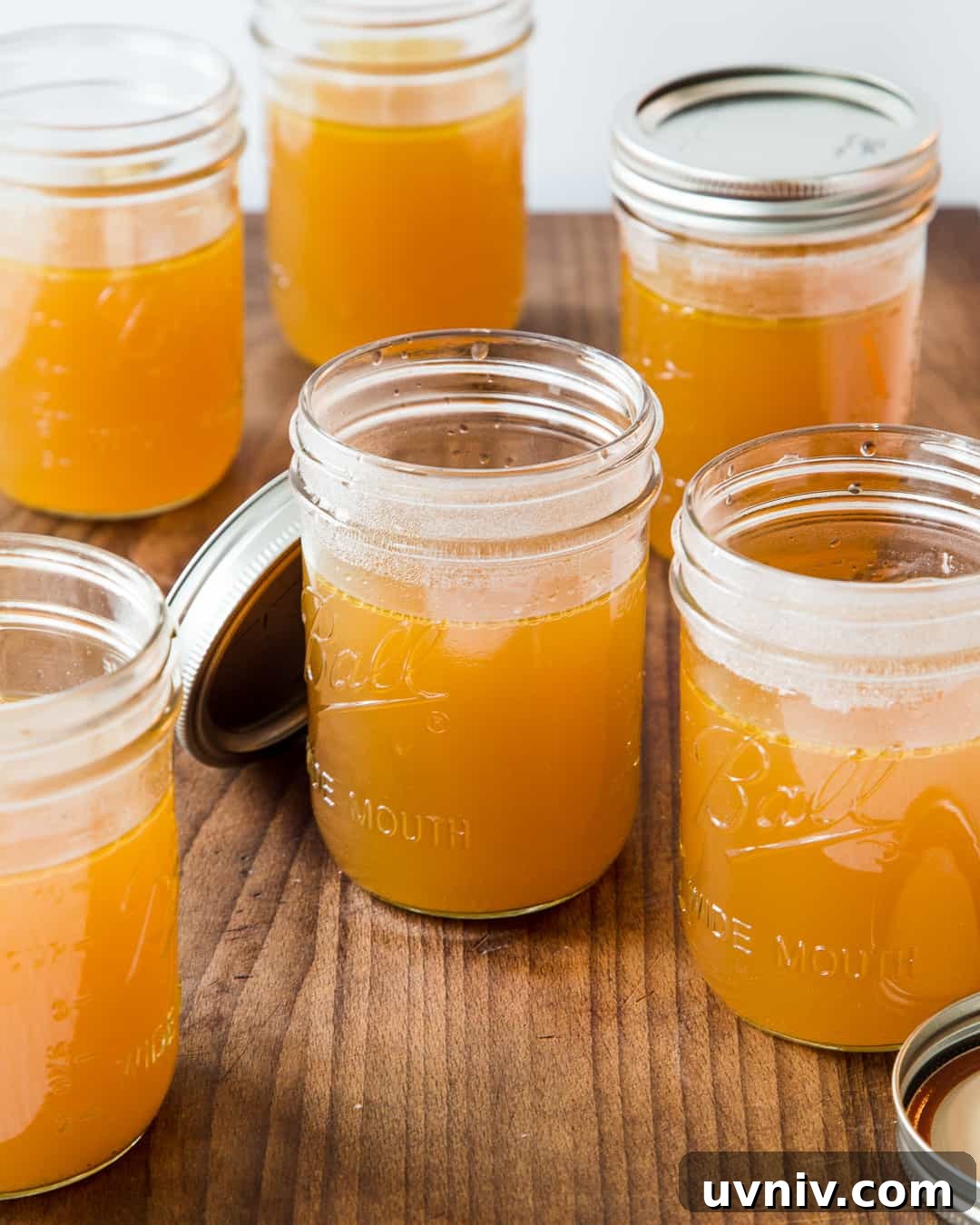
You’ve probably heard someone recommend bone broth—maybe a friend, a family member, an influencer, a brand, or even a practitioner. Claimsmakers often praise it for improving skin, supporting joint and cartilage repair, helping digestion, strengthening teeth, boosting immunity, and generally promoting well-being. Some even call it “liquid gold” or the “fountain of youth.”
There’s good reason for that praise. Bone broth is rich in protein, healthy fats, vitamins, minerals, and—critically—collagen and gelatin. Those last two components are what distinguish bone broth from ordinary broth and give it many of its touted health benefits.
If you’ve ever raised an eyebrow at someone drinking a hot cup of broth for breakfast, you’re not alone—but there’s a good deal of nutritional logic behind it.
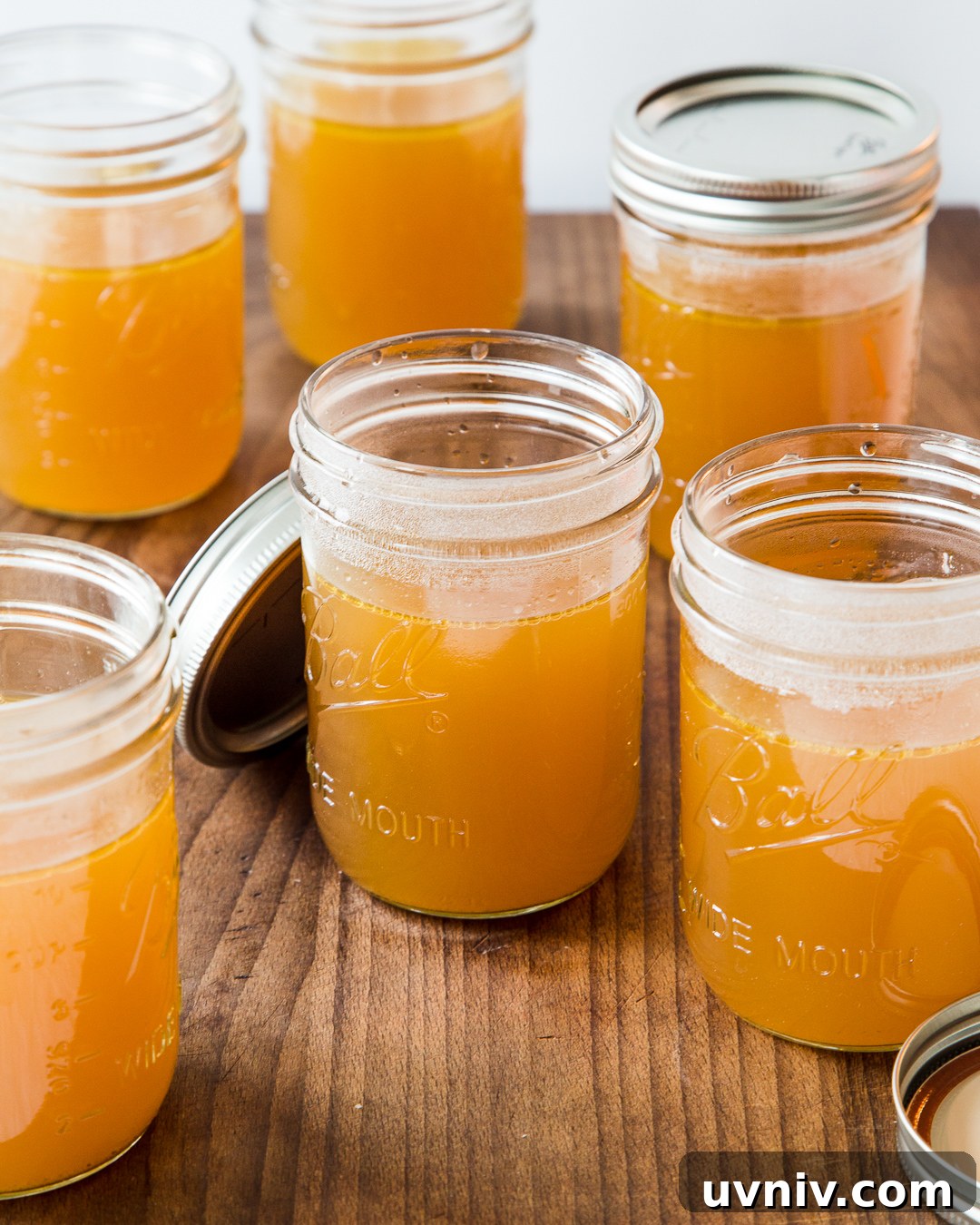
What Is Bone Broth and How Does It Differ from Regular Broth?
Bone broth and regular broth share the same basic ingredients, but a few key differences set them apart. Understanding these differences makes it easier to choose the right option for cooking or health purposes.
-
Ingredients
Both broths typically use bones, vegetables, herbs, and seasonings. Bone broth often uses a larger proportion of bones, and those bones are commonly roasted before cooking. Roasting is optional but intensifies flavor. Roasted bones can also be used for standard broth; the difference is not absolute but tends to affect taste and depth.
-
Cooking Time
The most important difference is cooking time. Bone broth is simmered much longer than a regular broth so that the bones can break down and release collagen, gelatin, and minerals. Large beef bones may be cooked for 24 to 72 hours on a low simmer, while chicken bones require less time. Using a pressure cooker like an Instant Pot speeds the process significantly—chicken bone broth can be done in a few hours under high pressure. If you use a stovetop or slow cooker, low-and-slow is the way to extract the most nutrients.
-
Nutritional Profile
Bone broth contains the nutrients provided by vegetables and aromatics plus naturally sourced collagen and gelatin from the bones. Collagen supports skin health, joint and cartilage repair, gut lining integrity, dental health, immune function, and overall wellness. These benefits are the main reason many people incorporate bone broth into their routines.
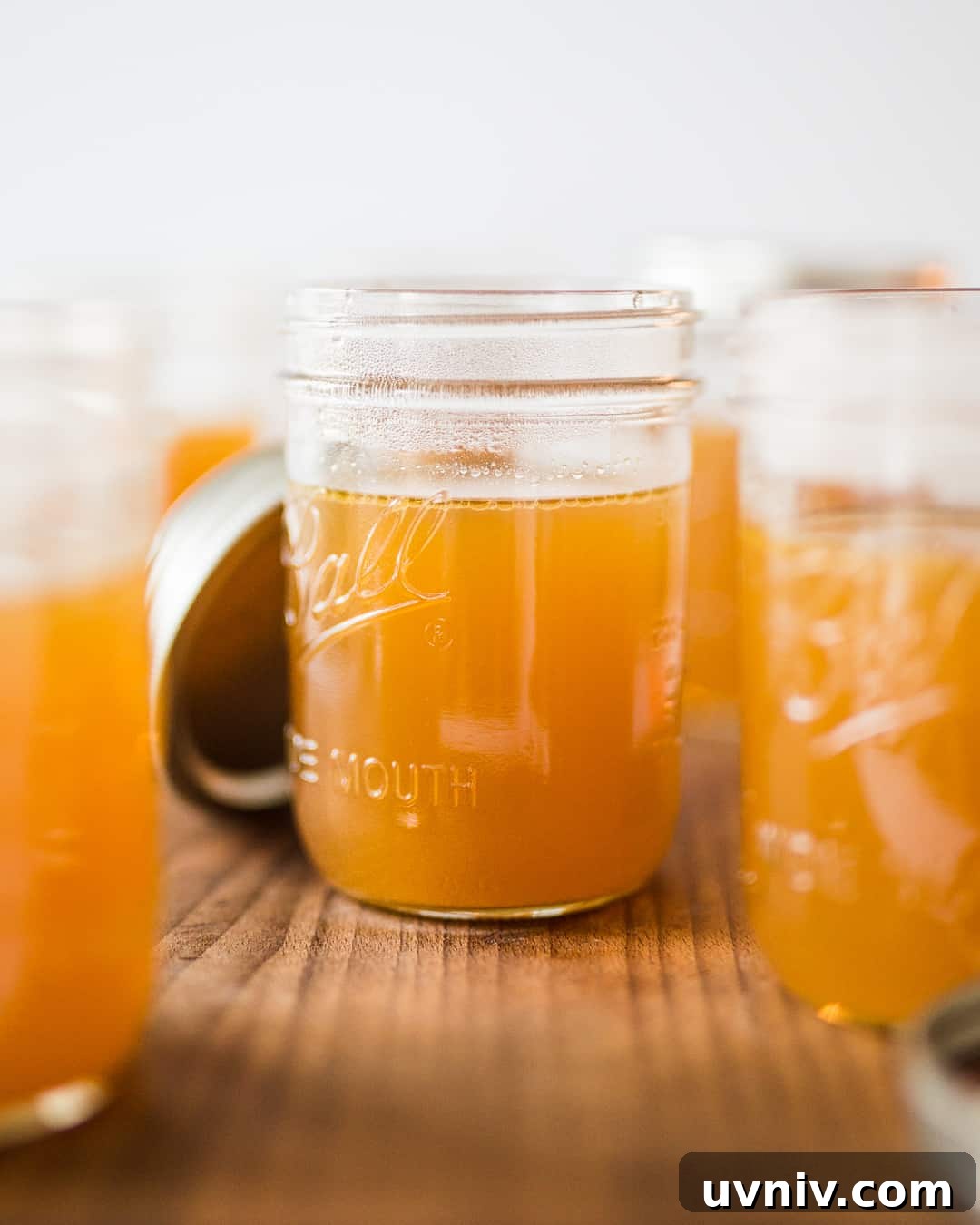
How to Make Chicken Bone Broth
Below are practical guidelines rather than a strict recipe. I collect kitchen scraps in freezer bags—carcasses, peels, herb stems, and the like—and use those to make broth. This method reduces waste and makes it easy to build flavor and nutrition over time.
Common items I save for broth:
- Leftover chicken carcasses (raw or roasted)
- Onion peels
- Garlic cloves
- Fresh ginger pieces
- Carrot peels, tips, and tops
- Celery stems and tips
- Herb stems (parsley, dill)
- Vegetables that are starting to soften
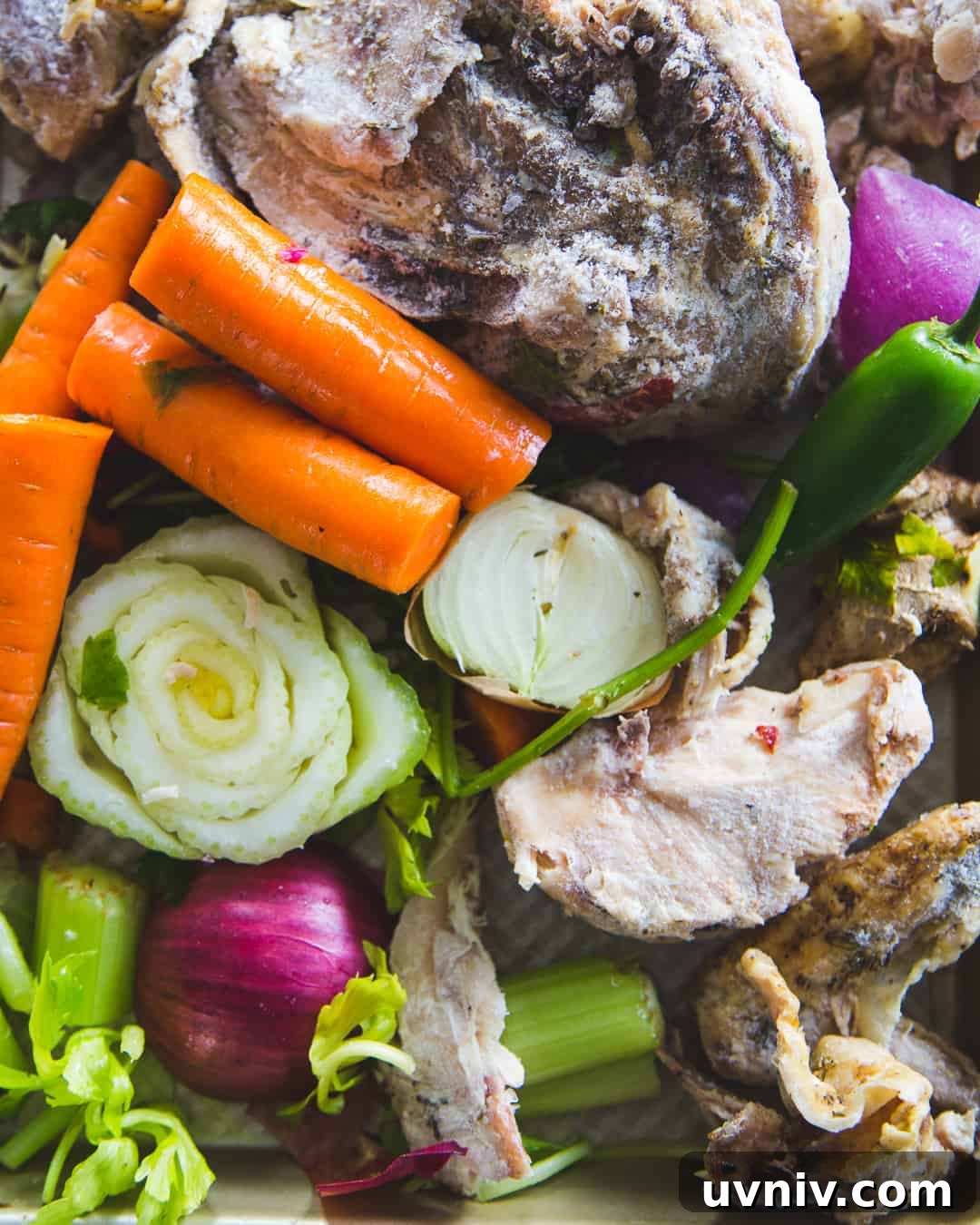
When it’s time to make broth, place the contents of your bag in a large pot, cover with water, add salt, pepper, and bay leaves, and simmer. If you collect scraps, you can discard the solids after straining; if you’re using fresh produce and want a soup, you might keep some of the vegetables for serving.
A tip I often use: add chayote squash for a subtle sweetness and a boost of vitamin C—an ingredient my mother favors in her soups.
Notes for other bones and methods:
- Beef bone broth uses the same approach but requires longer cooking to extract nutrients from larger bones.
- Stovetop: simmer over the lowest heat for about 24 hours for richer extraction.
- Slow cooker: cook on low for about 24 hours.

Pin
Homemade Chicken Bone Broth – Whole30, Paleo
Ingredients
- 1.5-2 lbs assorted Chicken bones – previously roasted or raw
- Carrots
- Celery
- Onion
- 1 Chayote Squash
- parsnips
- garlic cloves
- fresh ginger root
- 3 bay leaves
- fresh parsley – stems and/or leaves
- 1 tsp whole black peppercorns
- 1 tbsp kosher salt
Instructions
-
Add all ingredients to Instant Pot. Add water up until the ‘max’ line. Set to sauté function and bring to a simmer. Use a spoon to discard any foam that rises to the surface of the water.
-
Cancel sauté function and switch to Soup mode, high pressure, for 180 minutes. Close lid, set valve to sealing and let cook.
-
Once cooking is complete, depressurize manually or naturally.
-
Set a fine mesh sieve over a pitcher or large container and strain the broth, discarding the solids.
-
To store, pour the strained broth into tempered glass jars.
-
If freezing, leave 1.5–2 inches of headspace in each jar to prevent cracking. Alternatively, freeze broth in silicone molds, then transfer frozen cubes to a freezer bag for compact storage.