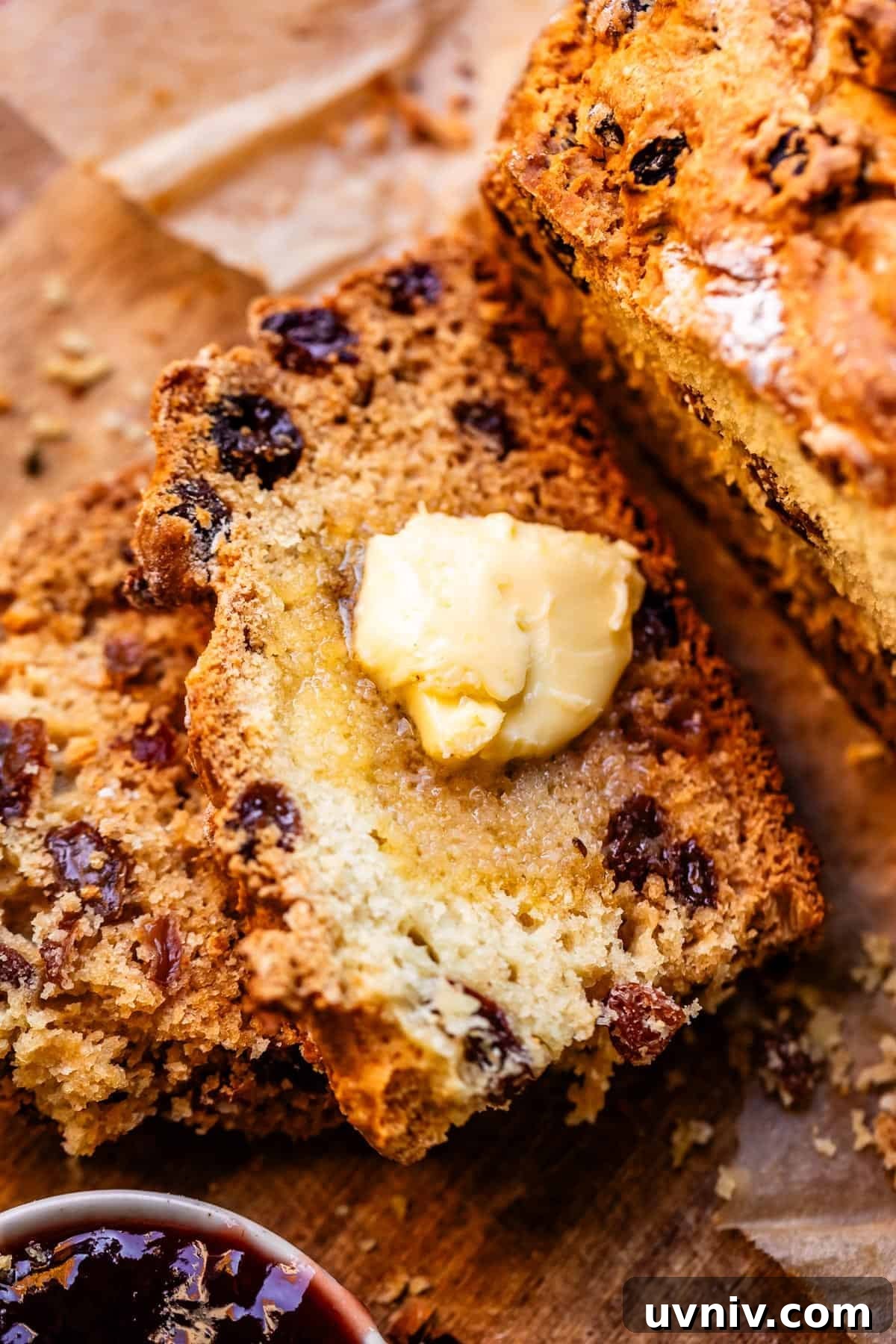
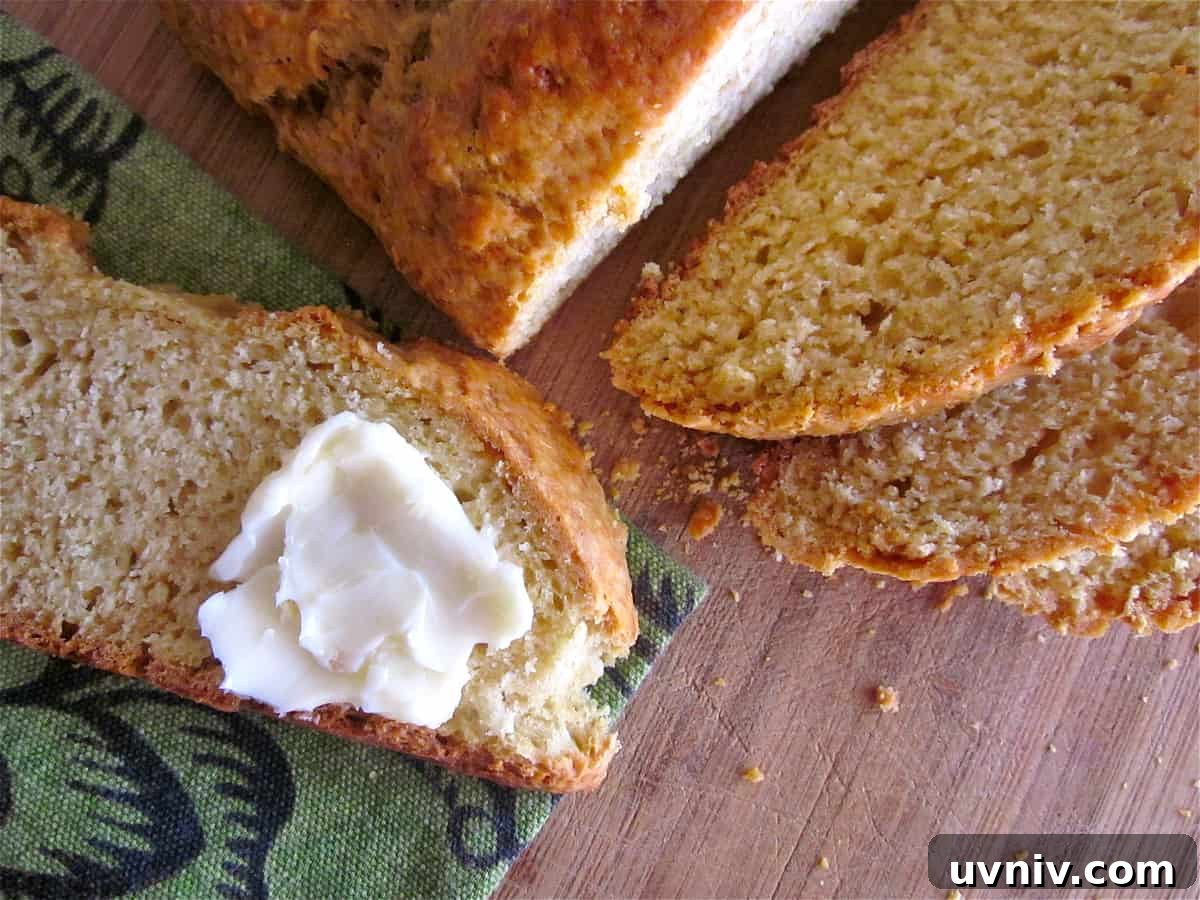
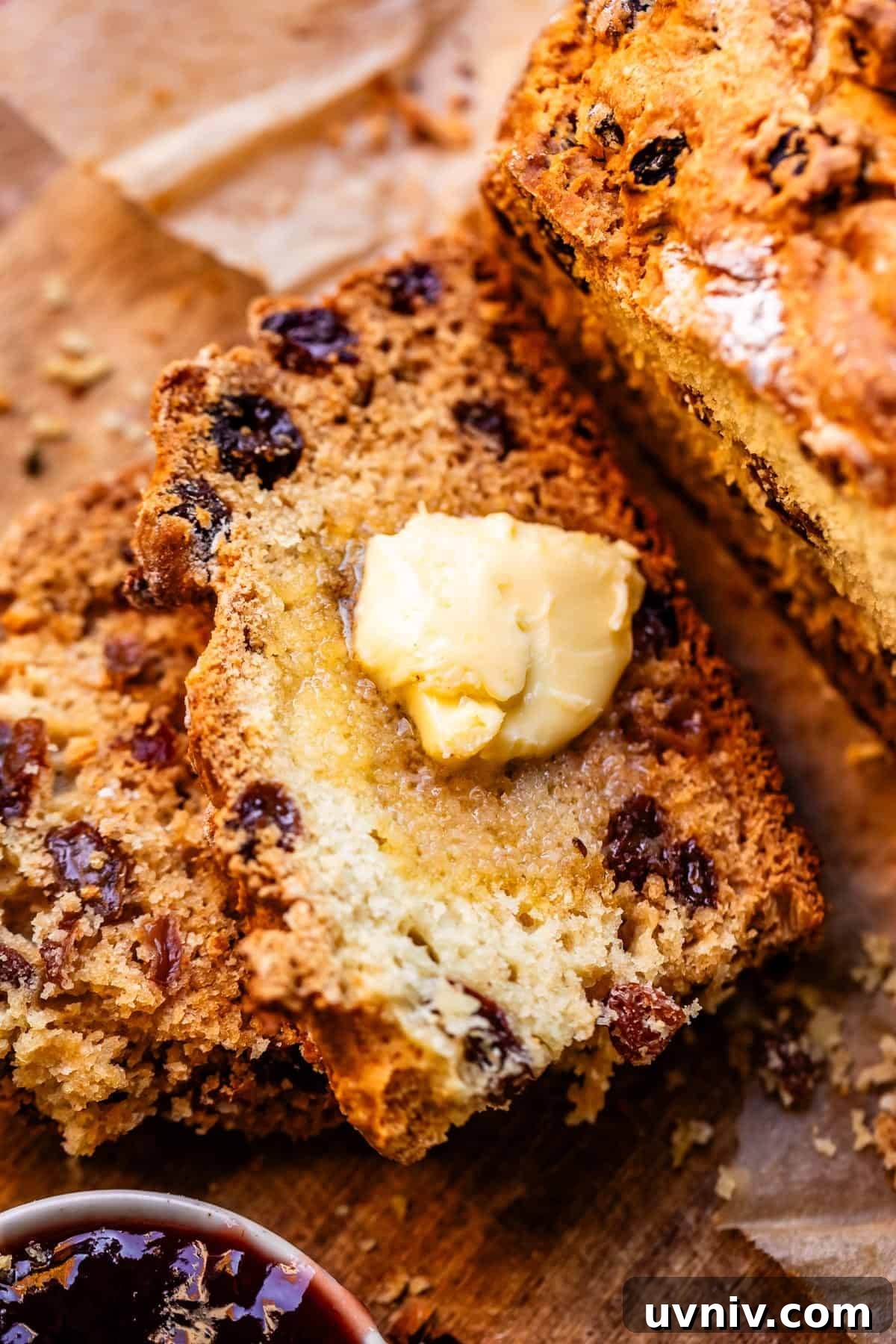
You guys, I finally fixed the problem with dry, bland soda bread. Traditional Irish soda bread can be crumbly and dry, but I discovered a small change — adding oil — that makes this humble loaf tender, moist, and delicious when spread with butter or jam. It’s also wonderful alongside Corned Beef and Cabbage or a bright horseradish sauce. Enjoy it warm with tea or at dinner. Originally published March 14, 2012.
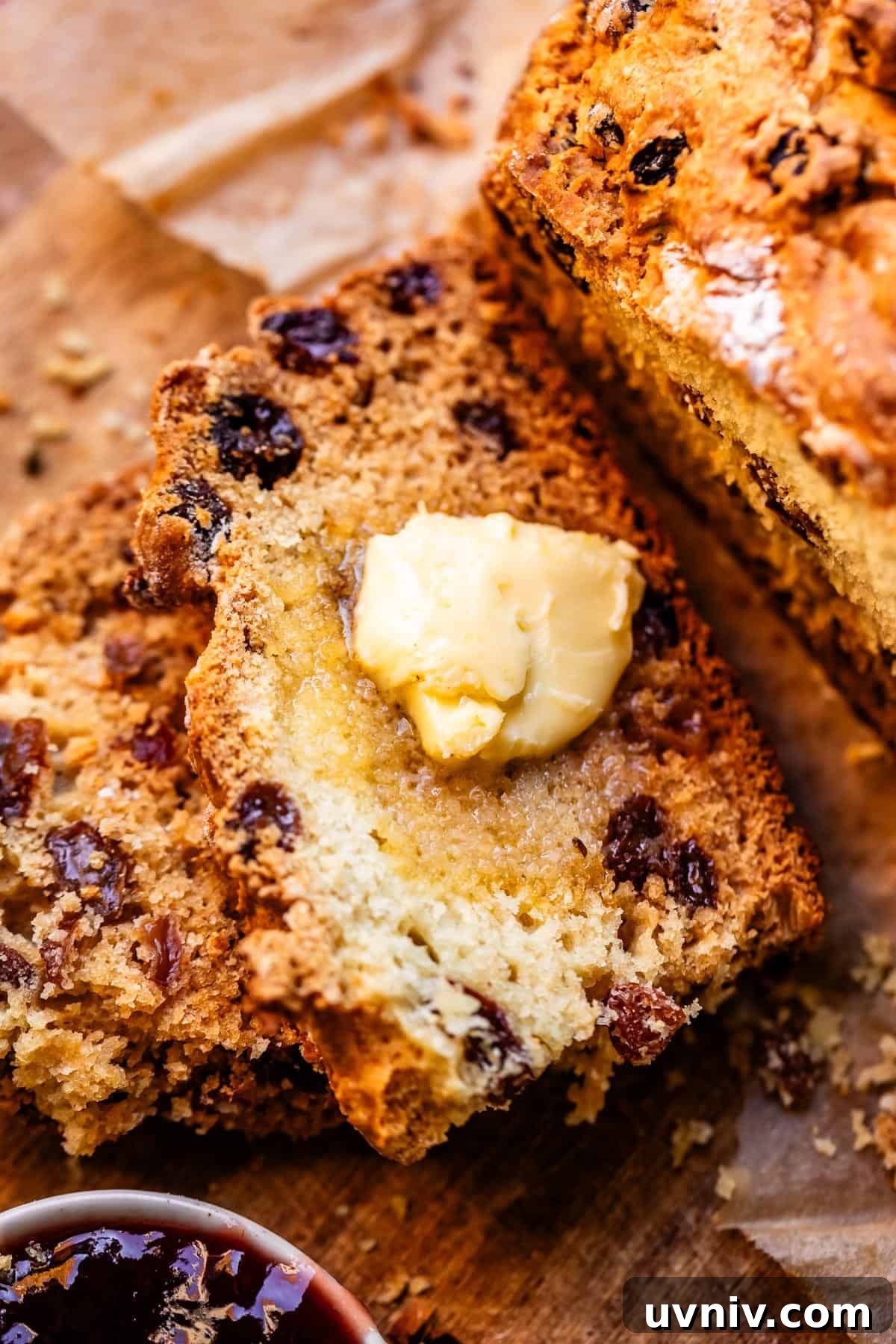
Table of Contents
- What is Irish soda bread, anyway?
- The secret ingredient
- The ingredients: more than 4
- How to make Irish soda bread with buttermilk
- How do I know when the bread is done?
- Why did my Irish soda bread fall apart?
- Why is my soda bread soggy in the middle?
- Irish soda bread substitutions and variations
- Serving ideas
- Frequently asked questions
- Irish Soda Bread with Buttermilk Recipe
I first posted this recipe in 2012. Over the years I kept tweaking it to solve the dryness that often plagues soda bread. The results now give a tender, flavorful loaf that keeps well and pairs nicely with both sweet and savory accompaniments.
Short, relatable kitchen stories aside, this recipe is rooted in a centuries-old tradition. Irish soda bread is prized for its simplicity and quick preparation — no yeast or rising time required — which made it a reliable staple in households with limited resources.
What is Irish soda bread, anyway?
Irish soda bread is a quick bread that traditionally used just four ingredients: flour, baking soda, buttermilk, and salt. The alkaline baking soda reacts with the acid in the buttermilk to create lift, producing a tender crumb similar to a biscuit or scone. Modern variations often add sugar, butter, eggs, or dried fruit for extra flavor and texture.
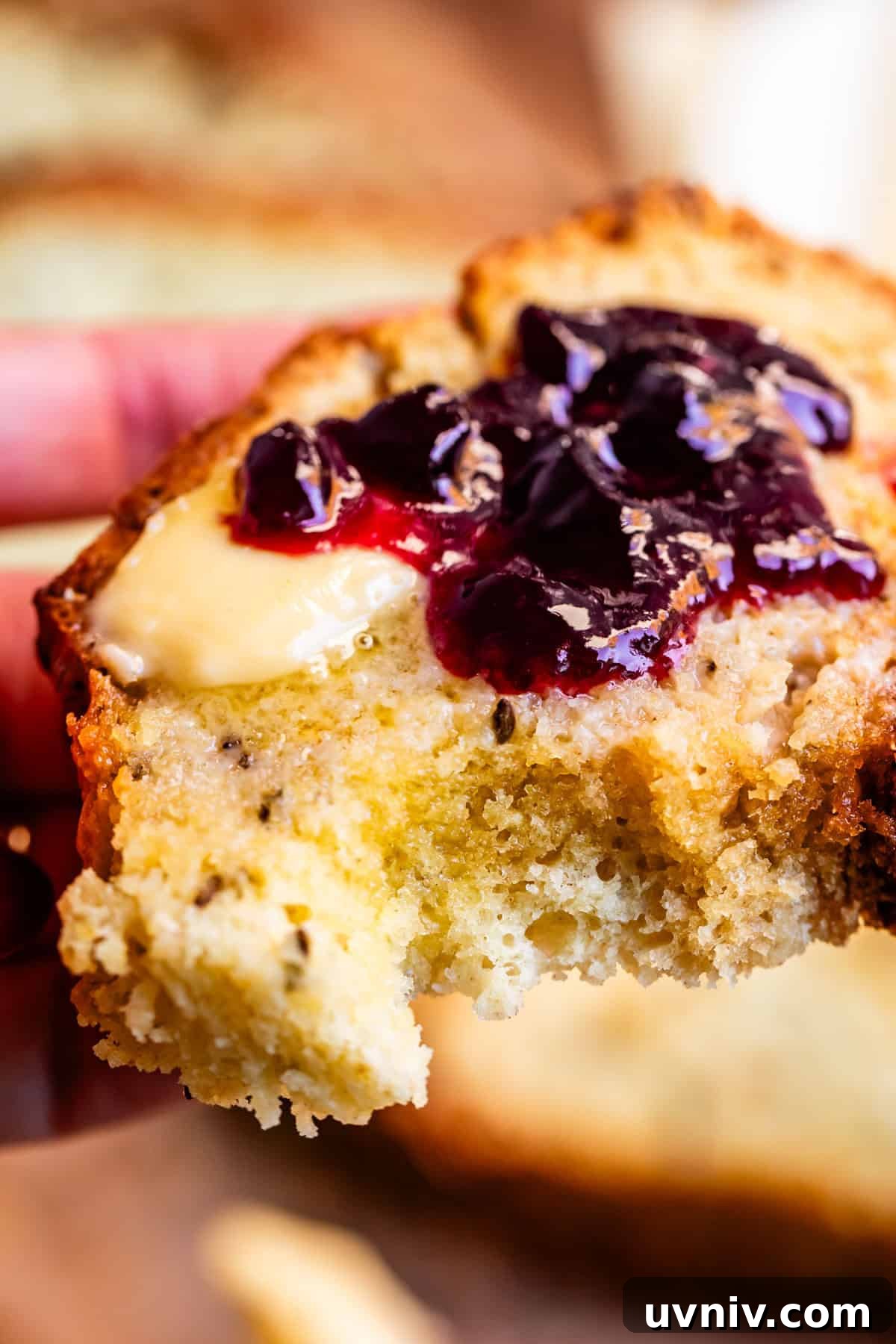
Because the recipe is so simple, small adjustments have a big impact. My version keeps the spirit of soda bread while improving moisture and shelf-life so you get a reliably tender loaf every time.
The secret ingredient
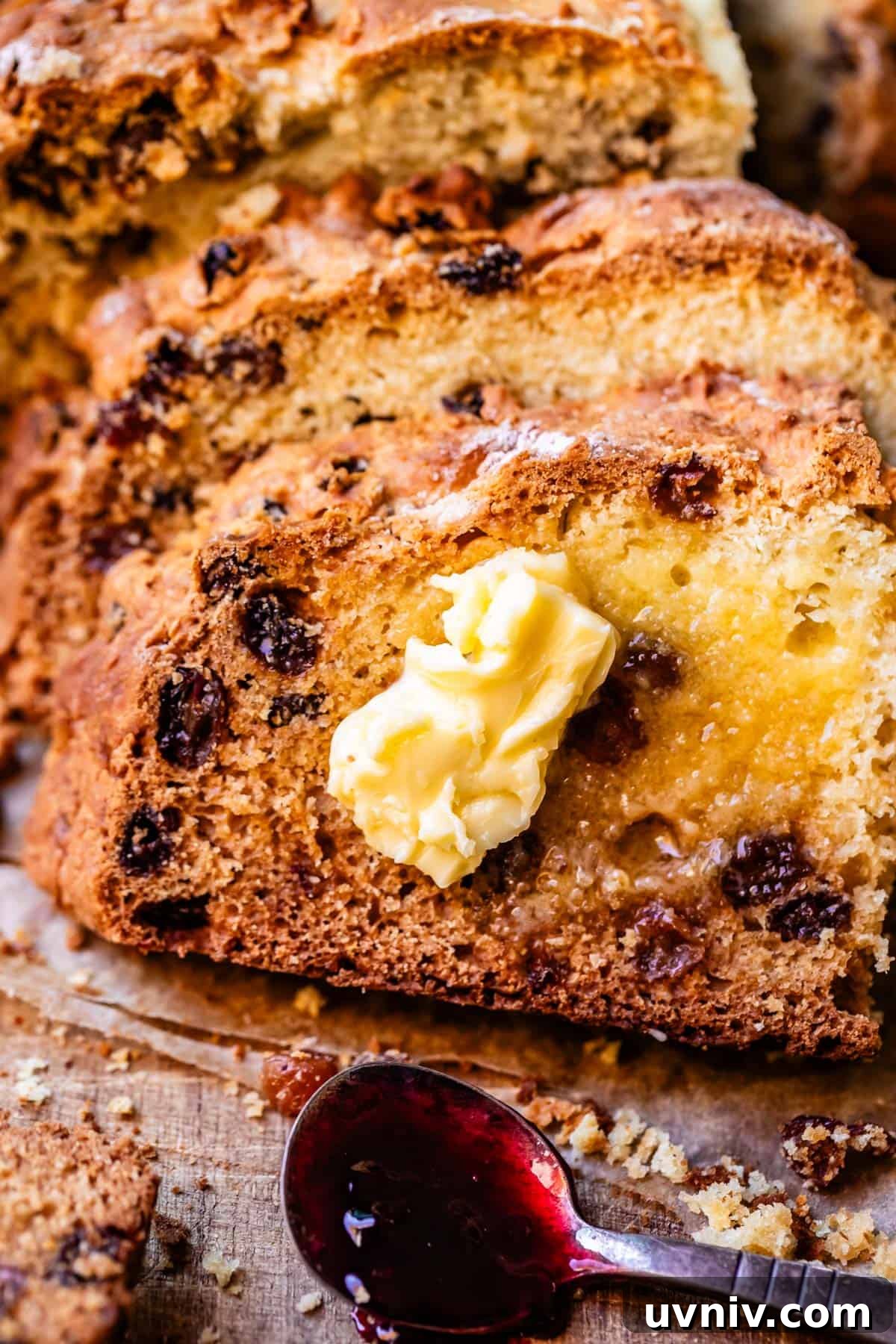
The small change that makes a big difference is oil. Butter adds flavor, but oil is 100% fat and helps the loaf stay moist and tender. Adding a modest amount of oil makes the dough more forgiving in the oven and yields a softer crumb that resists drying out.

With oil included, the loaf keeps its traditional character while gaining improved texture and moisture.
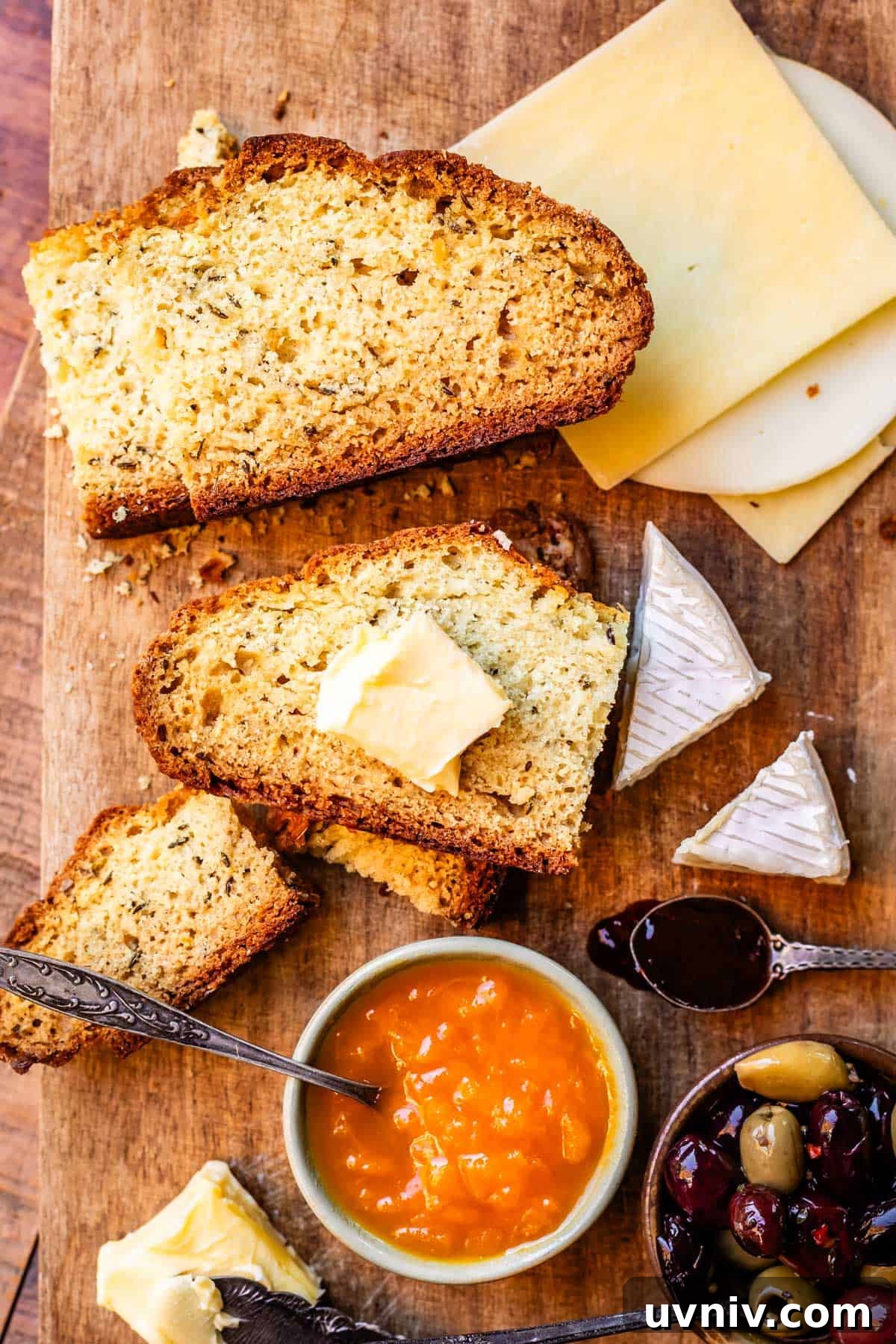
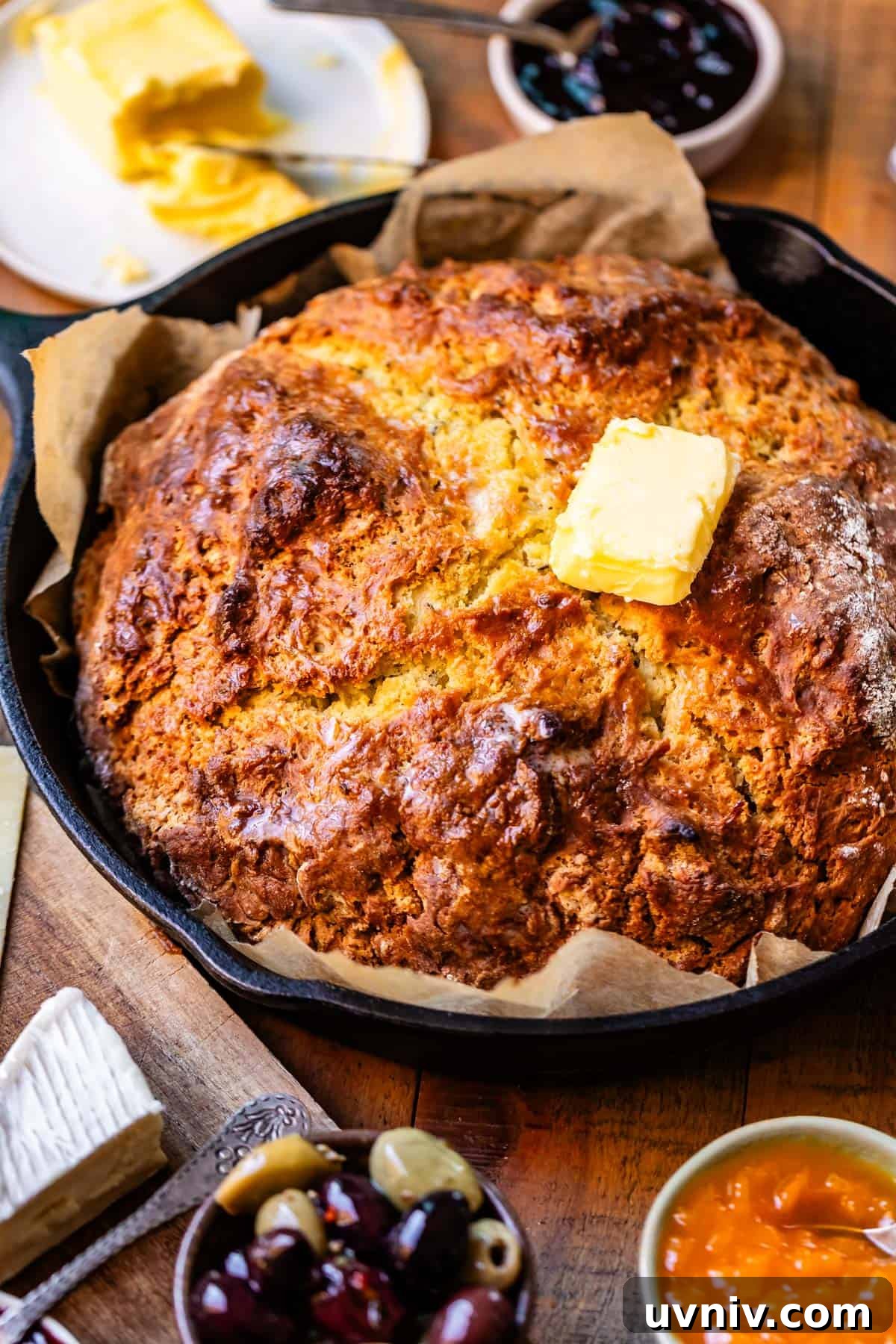
Irish Soda Bread makes a great addition to a charcuterie board.
The ingredients: more than 4
My recipe adds a few extra ingredients—sugar, butter, egg, and oil—while still honoring the simplicity of soda bread. These additions bring flavor, color, and tenderness without turning the loaf into a cake.
Shopping list (see the recipe card below for amounts):
- flour
- sugar
- baking soda
- salt
- butter
- oil
- buttermilk
- eggs
- Zante currants, raisins, or dried cherries (optional)
How to make Irish soda bread with buttermilk
Here’s a concise guide to the method and key tips to ensure success.
Plump dried fruit: If using raisins or currants, pour boiling water over them and let sit 10 minutes, then drain. This softens them and prevents chewy, dry spots in the loaf.
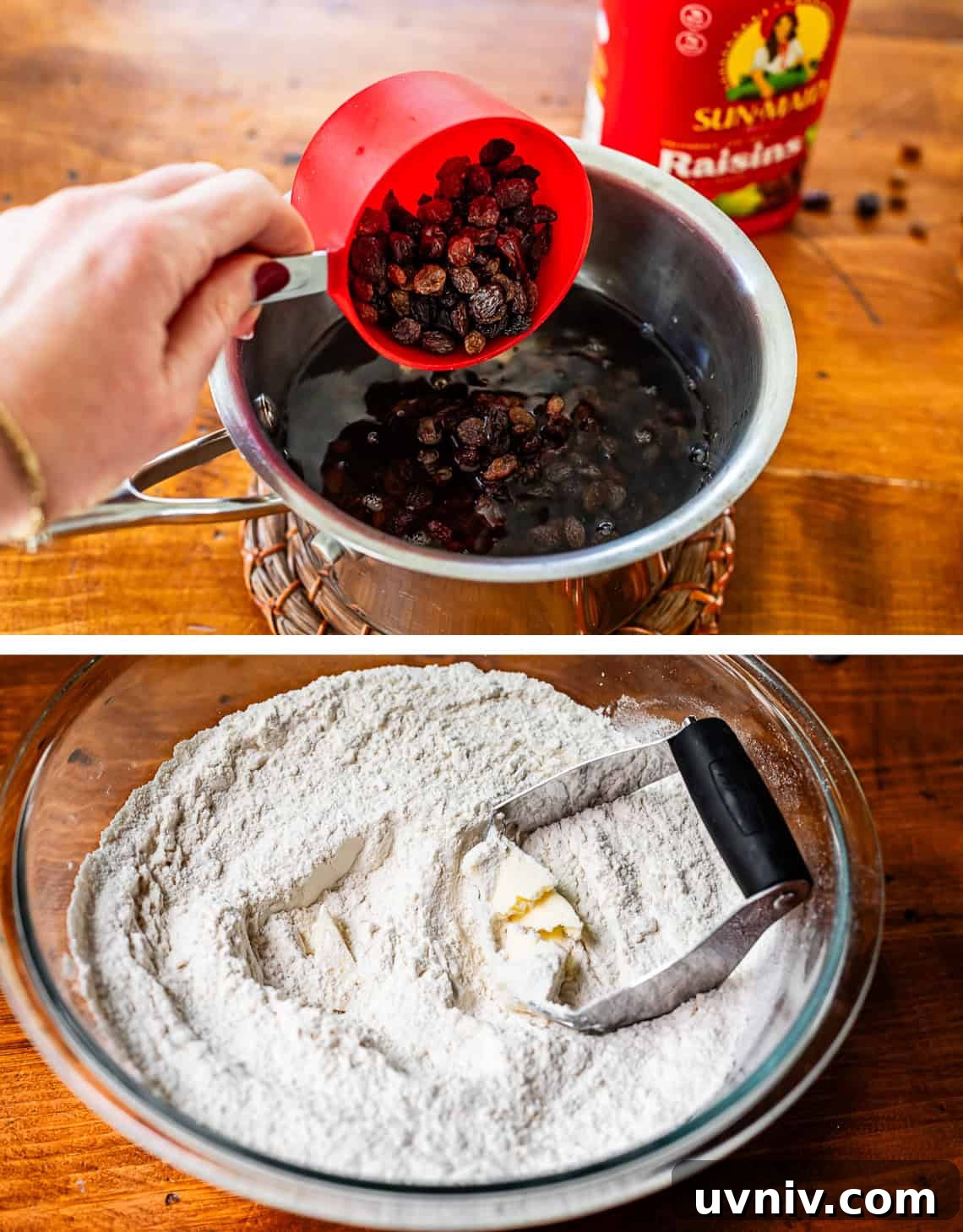
Combine dry ingredients: Sift or whisk flour, sugar, baking soda, and salt together. Cutting in a small amount of cold butter gives a pleasant texture; the addition of oil is incorporated by cutting it into the flour in small increments so it’s distributed without overworking the dough.
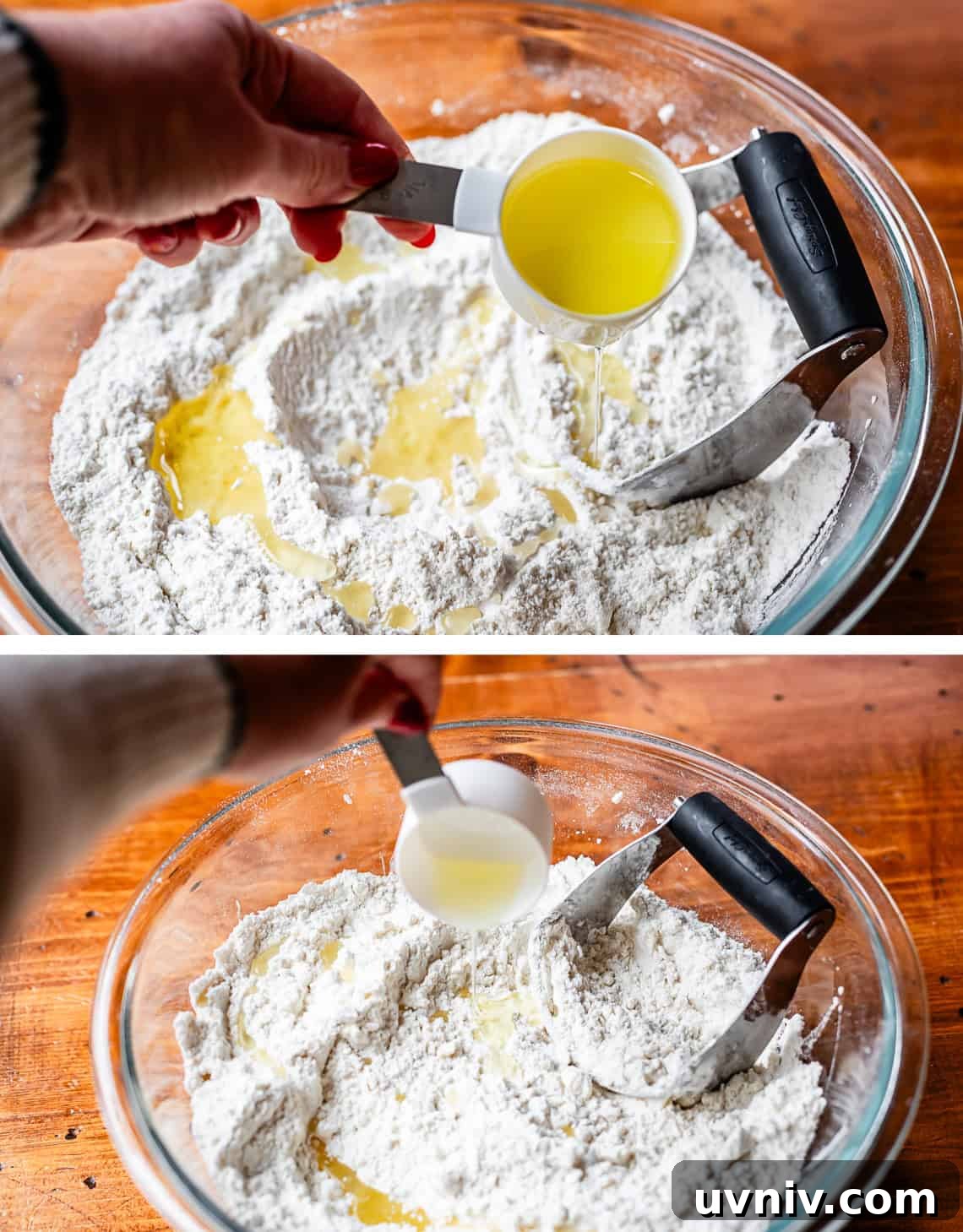
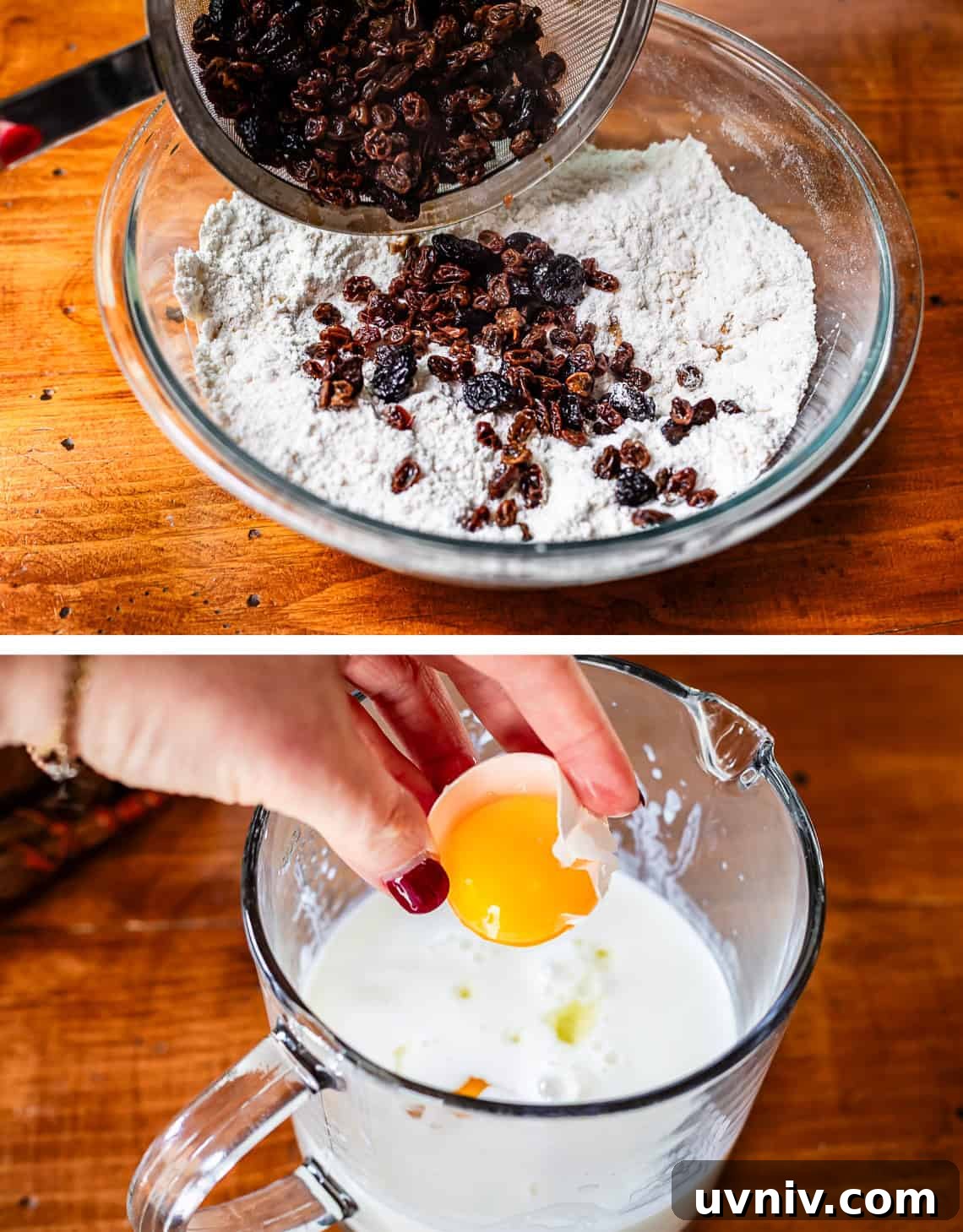
Stir in the drained fruit so it’s coated with flour. Whisk the buttermilk with an egg and an extra yolk, then fold the liquid into the dry ingredients just until the dough comes together. Avoid overmixing — no vigorous kneading is required.
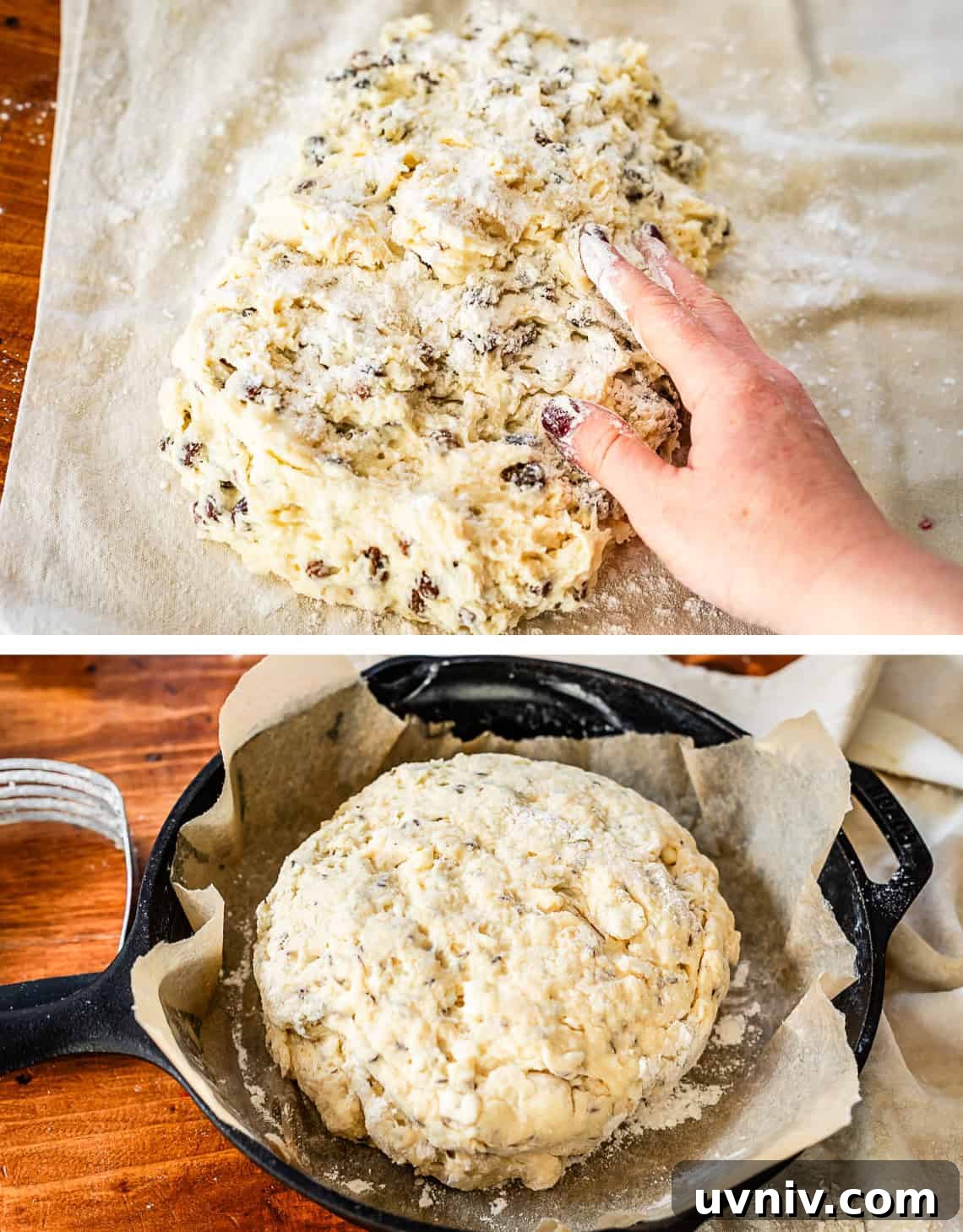
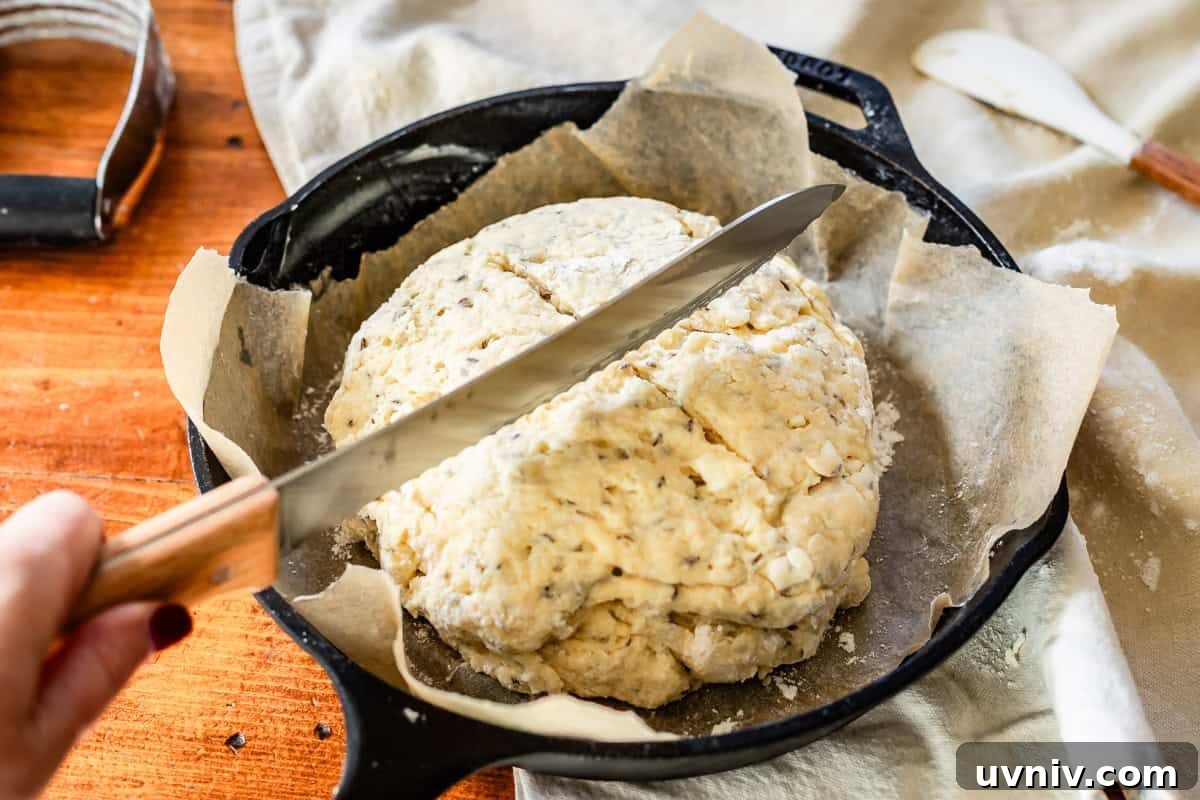
Gently shape the dough into a 6–7 inch round, place it in a buttered cast-iron skillet or on a parchment-lined baking sheet, and cut a deep cross in the top (about 1–2 inches deep). This helps steam escape and ensures the center cooks through.
Bake at a high temperature (425°F) to give a good oven spring. After about 20 minutes, tent loosely with foil to prevent over-browning and continue baking another 30–35 minutes, until the interior registers 180°F or a skewer comes out clean.
Brush the warm loaf with melted butter for a glossy, golden finish, let cool briefly, then slice and serve warm with butter and jam or alongside savory dishes.
How do I know when the bread is done?
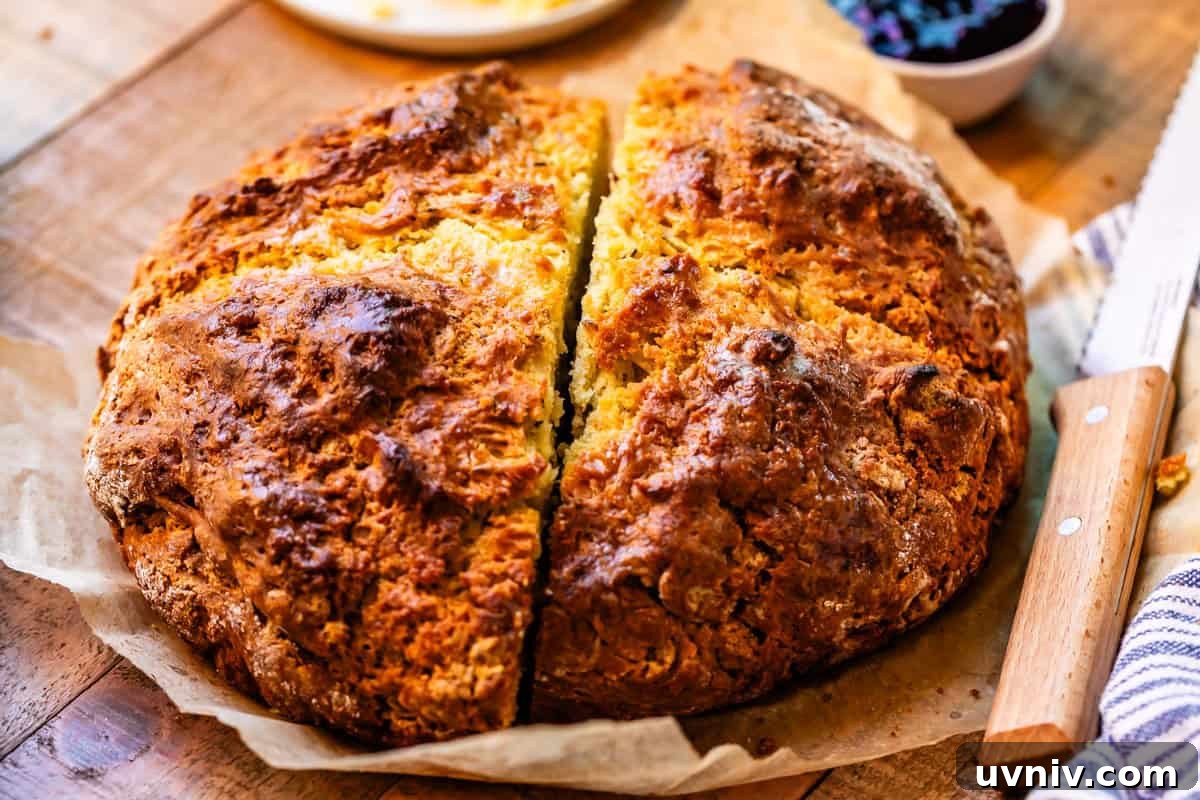
The center is done when a skewer inserted into the middle comes out dry and an instant-read thermometer registers about 180°F. The bottom should sound hollow when tapped.
Why did my Irish soda bread fall apart?
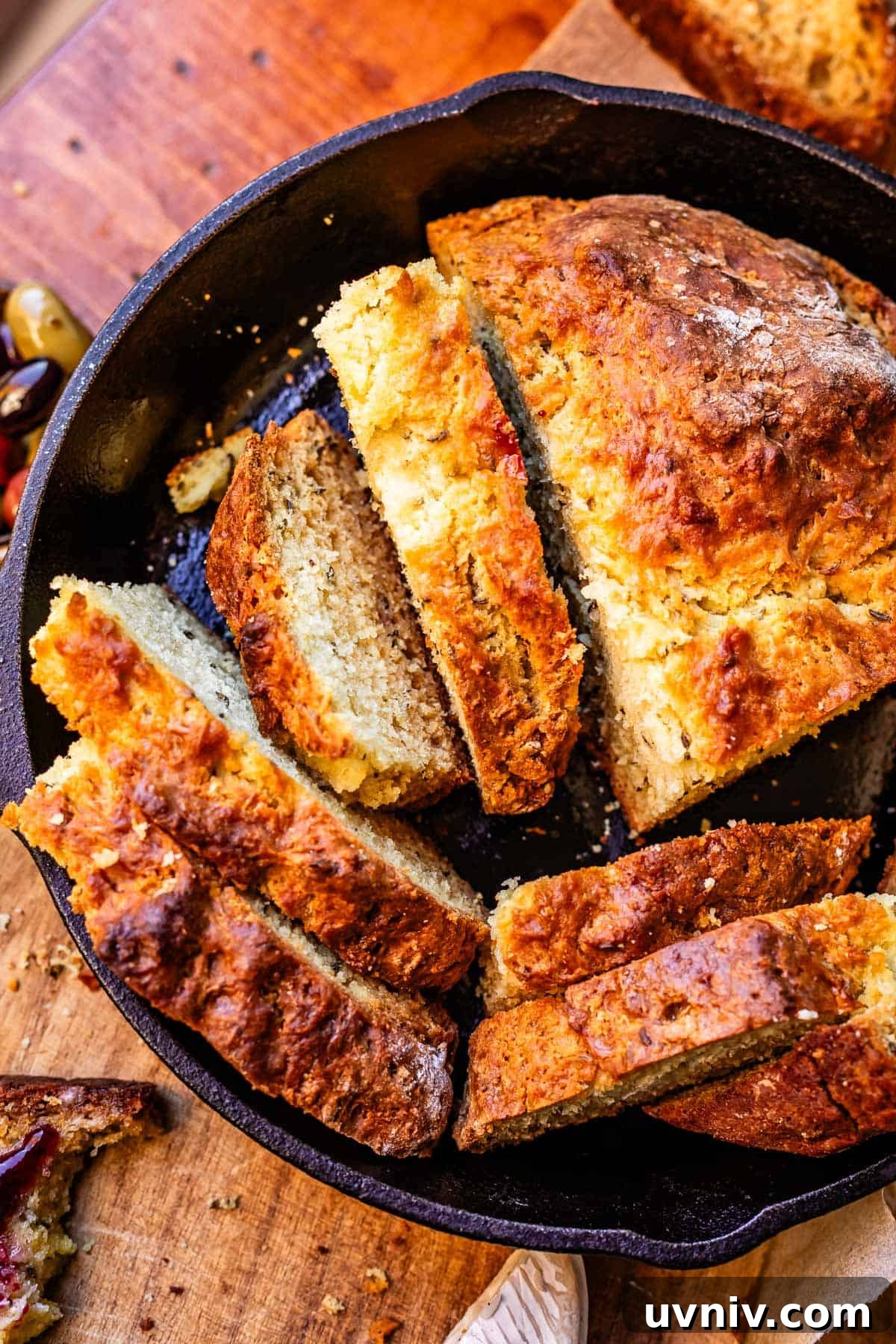
Too much flour (measured packed) or over-kneading can cause a crumbly loaf. Use the fluff-and-scoop method for measuring flour and avoid excessive mixing — shape gently and only knead once or twice.
Why is my soda bread soggy in the middle?
Not cutting a deep cross in the top can trap steam and cause a soggy center. Make a deep X — at least an inch or two — so heat can reach the center and steam can escape during baking.
Irish soda bread substitutions and variations
This recipe is versatile. Try these variations:
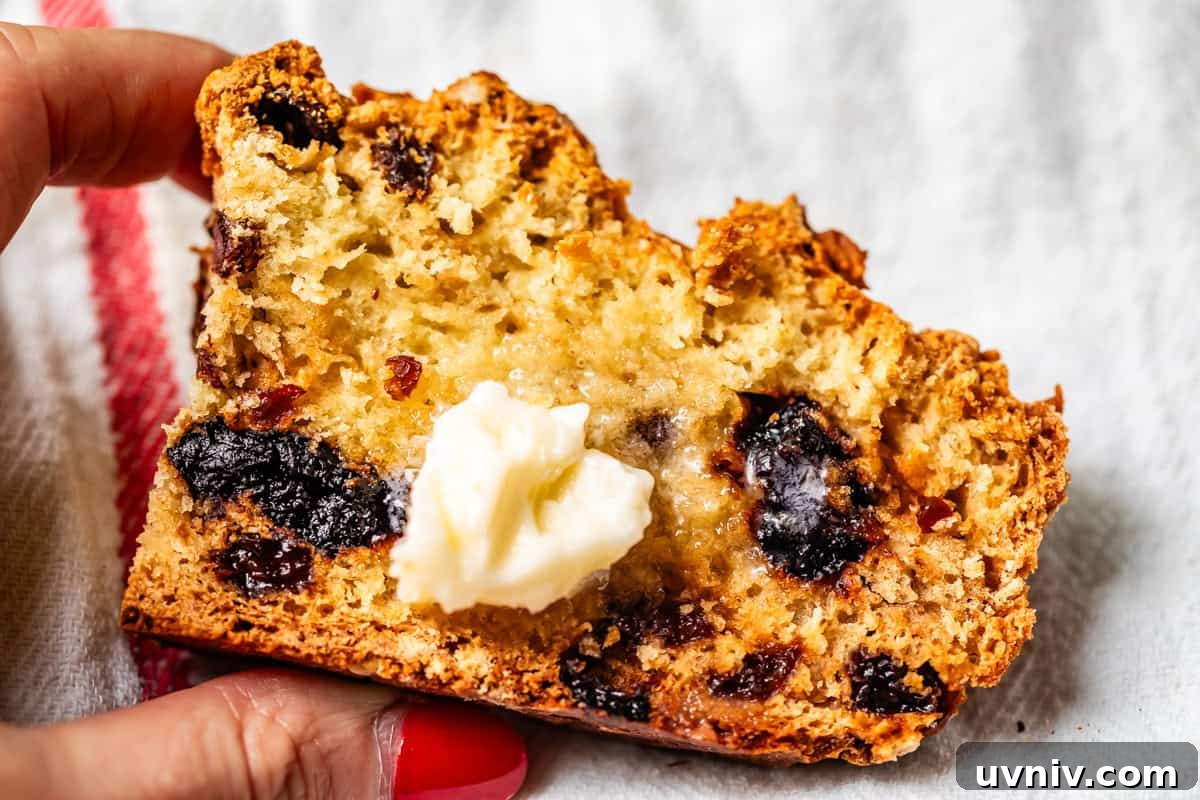
- Swap 1½ cups dried fruit for 1½ cups chocolate chips for a sweeter loaf.
- Add ½ cup shredded sharp cheddar and ½ cup crumbled cooked bacon for a savory version.
- Use 1 cup chopped dried apricots and some orange zest for a bright variation.
Serving ideas
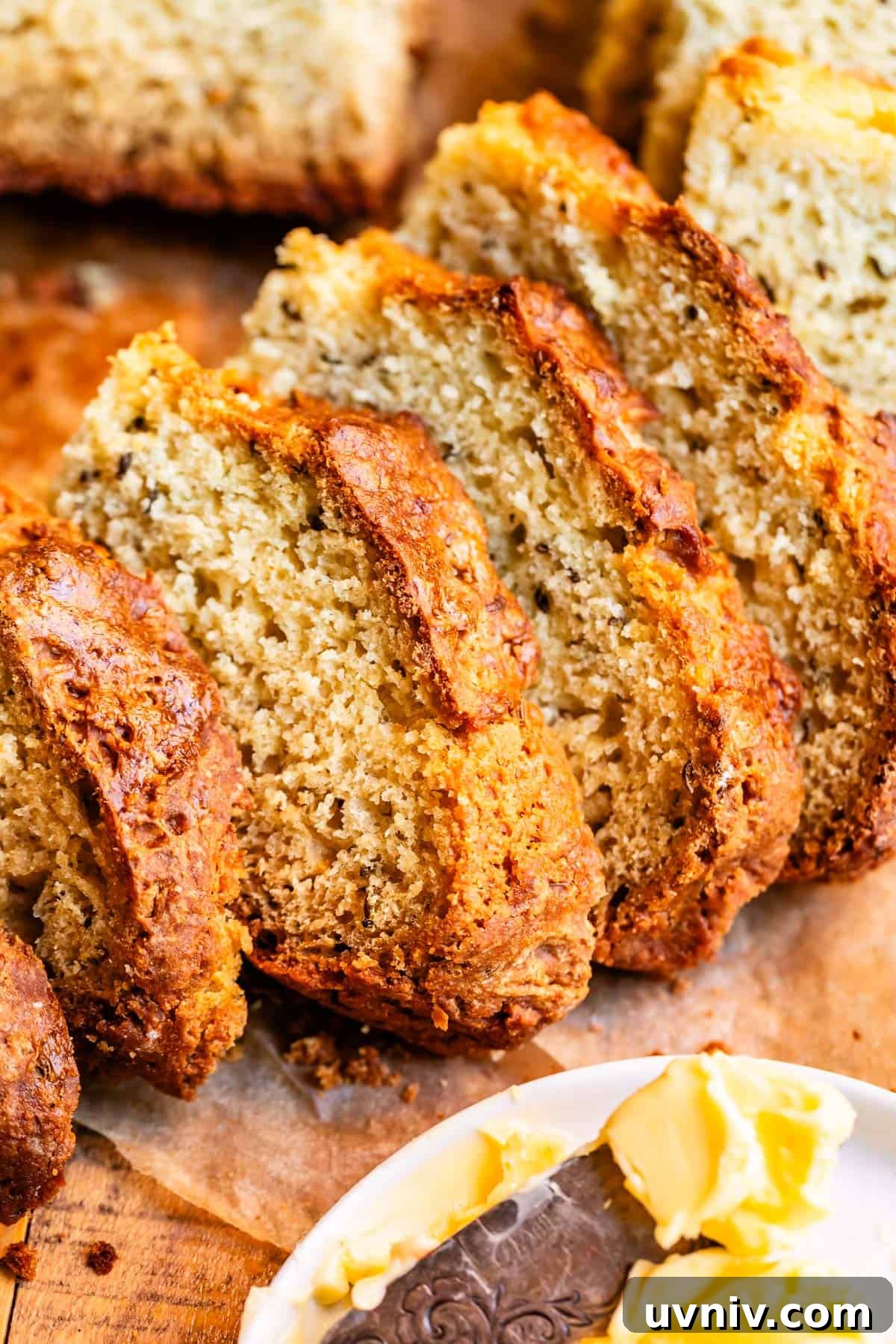
Serve Irish soda bread warm for best flavor. It’s excellent with butter and jam for breakfast or tea, or as an accompaniment to hearty meals like Corned Beef and Cabbage. Toast or lightly pan-fry slices for a crisp edge, then top with butter or savory spreads.
Should Irish soda bread be warmed?
Yes — warm slices are far better. Toast, broil, or microwave briefly and enjoy with softened butter.
How to store Irish soda bread
Store covered at room temperature for 2–3 days. For longer storage, freeze whole or sliced portions in airtight bags; they keep well for 2–3 months. Thaw on the counter and rewarm before serving.
Frequently asked questions
Traditional soda bread is not sweet, but many modern versions add sugar and dried fruit. This results in a mildly sweet loaf that is still not a dessert.
Names vary: farl, wheaten bread, soda bread, or brown bread are common. Traditional Irish versions often use whole wheat and are less sweet than many American versions.
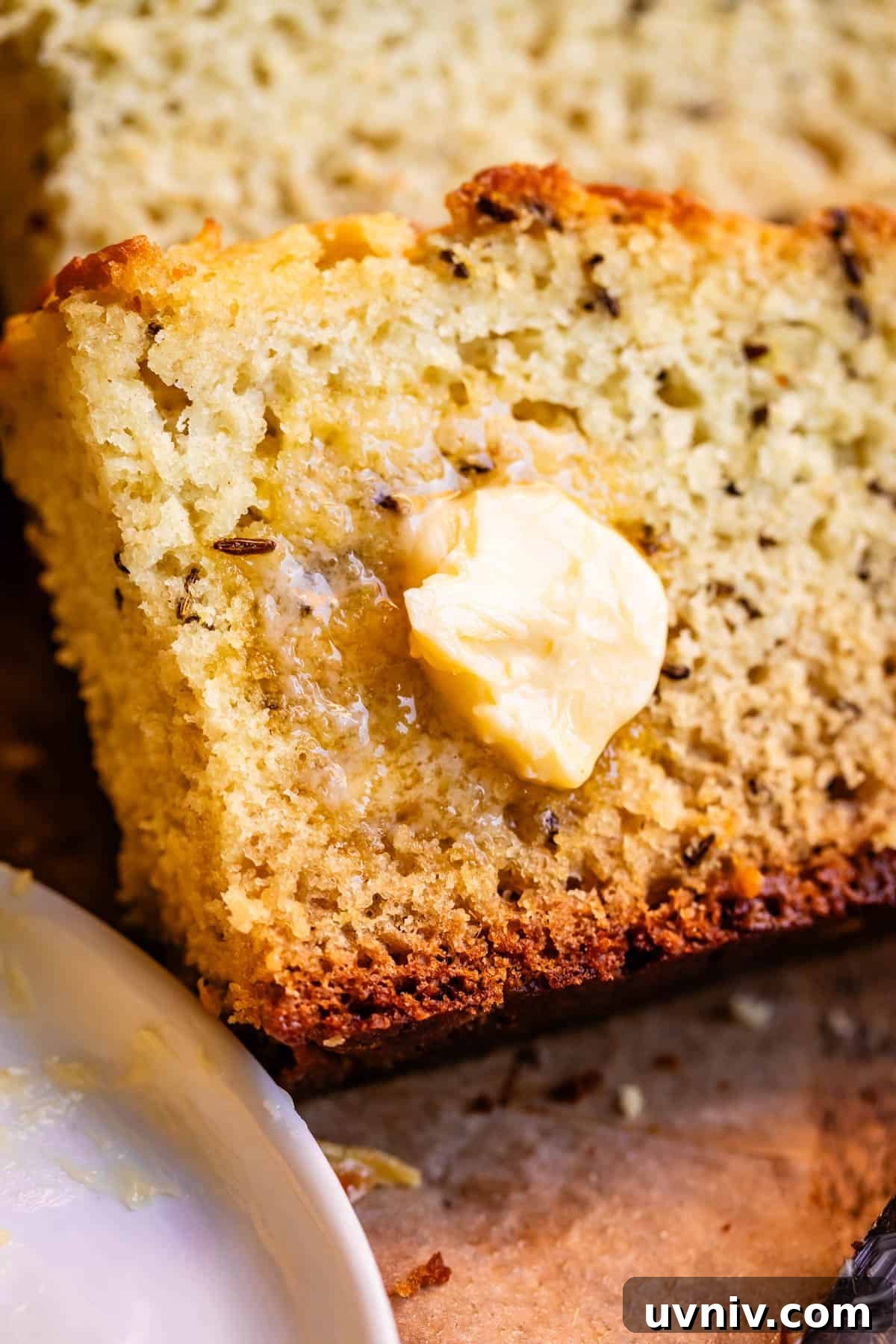
It tastes mild and biscuit-like — tender and slightly crumbly, and excellent with generous butter and jam.
Unlike yeast breads, soda bread uses baking soda and buttermilk for leavening. The result is a quick bread with a tender, biscuit-like texture rather than a chewy, yeast-based crumb.
More Irish recipes
For more Irish-inspired dishes, try corned beef and cabbage, roasted potatoes, horseradish sauce, or scones to round out a festive meal.
I first shared this recipe in 2012 and it’s been refined since. Time flies, but a good loaf of soda bread never goes out of style.

Irish Soda Bread with Buttermilk
Ingredients
- 4 cups sifted all purpose flour, spooned into the cup and leveled
- 1/3 cup granulated sugar
- 1 1/2 teaspoons baking soda (fresh)
- 2 teaspoons kosher salt (or 1.25 tsp table salt)
- 2 tablespoons cold butter
- 1/4 cup vegetable oil (light olive oil works)
- 1 1/2 cups buttermilk
- 1 large egg
- 1 large egg yolk
- 1 1/2 cups Zante currants or raisins or dried cherries (optional)
Instructions
- Preheat the oven to 425°F.
- Plump the raisins (optional): Bring a small pot of water to a boil, turn off the heat, add 1 1/2 cups dried fruit, cover, and let sit 10 minutes. Drain and let dry.
- Sift the flour: Spoon flour into a measuring cup, level, and sift into a large bowl until you have 4 cups sifted flour.
- Mix dry ingredients: Add sugar, baking soda, and salt to the flour.
- Cut in butter: Use a pastry cutter to cut 2 tablespoons cold butter into the flour.
- Cut in oil: Add 1/4 cup oil in small increments, cutting it into the flour so it is distributed but not turned into a paste.
- Add raisins: Toss drained raisins into the flour mixture (if using).
- In a measuring cup whisk 1 1/2 cups buttermilk with 1 egg and 1 egg yolk.
- Add liquid: Pour the buttermilk mixture into the flour and gently fold with a rubber spatula until it just comes together.
- Turn dough onto a floured surface and knead once or twice. Shape into a 6–7 inch round.
- Grease a cast iron skillet or line a baking sheet with parchment. Transfer the loaf and cut an X about 1–2 inches deep into the top.
- Bake: Bake at 425°F for 20 minutes, then tent with foil and bake another 30–35 minutes until a skewer comes out clean and the center reaches 180°F.
- Brush the top with melted butter and cool on a wire rack before slicing. Serve warm with butter and jam or alongside savory dishes.