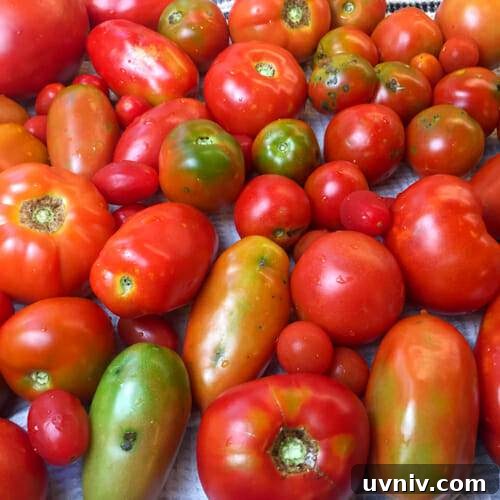
Knowing how to store and preserve garden tomatoes is essential when a frost warning threatens a productive tomato patch. Tomatoes are vulnerable to frost—often a light freeze can kill plants and ruin fruit—so knowing what to do with your harvest can save a season’s worth of produce.
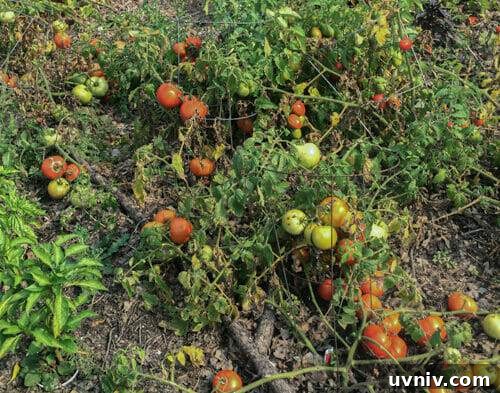
What To Do When There’s a Frost Warning
If the frost is early in the season, the forecast predicts only a light freeze, and you expect warmer days to return:
- Harvest fully ripe tomatoes.
- Cover plants with blankets or sheets overnight (do not use plastic).
- Remove covers during the day so plants receive sunlight and warmth.

If it’s late in the season, nights are consistently cool and daytime temperatures stay below about 13°C (55°F), tomatoes will ripen very slowly or not at all. In that case:
- Harvest all tomatoes, including green, orange and red fruit.
- Remove and compost the plants after harvesting.
Frequent Questions About End of Season Tomatoes
Can I pick tomatoes before they are fully ripe?
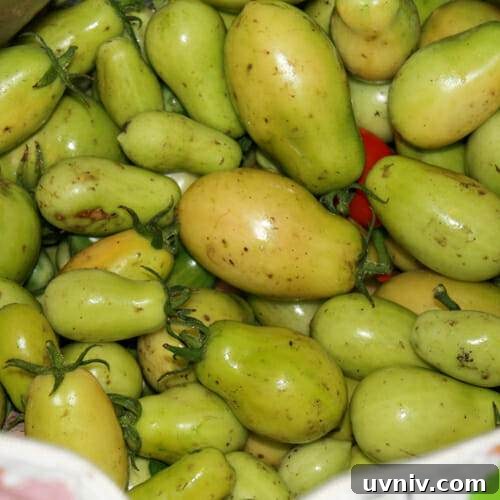
- Yes. While vine-ripened tomatoes have the best flavor, partially ripe fruit will finish ripening off the plant. This is a practical approach when frost is imminent or pests threaten the crop. Aim to harvest when the green begins to show color; very green tomatoes may not ripen properly.
What should I do with cracked or blemished tomatoes?
- Minorly cracked or blemished tomatoes are still usable but should be eaten or processed quickly because they store poorly. Use them for sauces, soups, salsas, or freeze them for later use.
When should I pinch off flowers?
- Late in the season, pinch off new flowers and very small green fruit to help the plant focus energy on ripening existing tomatoes. Tomatoes grow slowly and become frost-sensitive when temperatures consistently fall below about 13°C (55°F).
- Quick timeline notes:
- About 20–30 days from flower to small fruit.
- Roughly two weeks for fruit to reach full size.
- Approximately 7–10 days for a tomato to change from green to its ripe color.
How to Store and Preserve Garden Tomatoes
Storing & Ripening Tomatoes
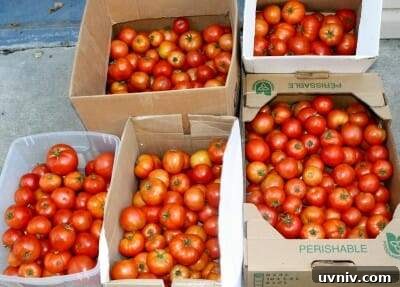
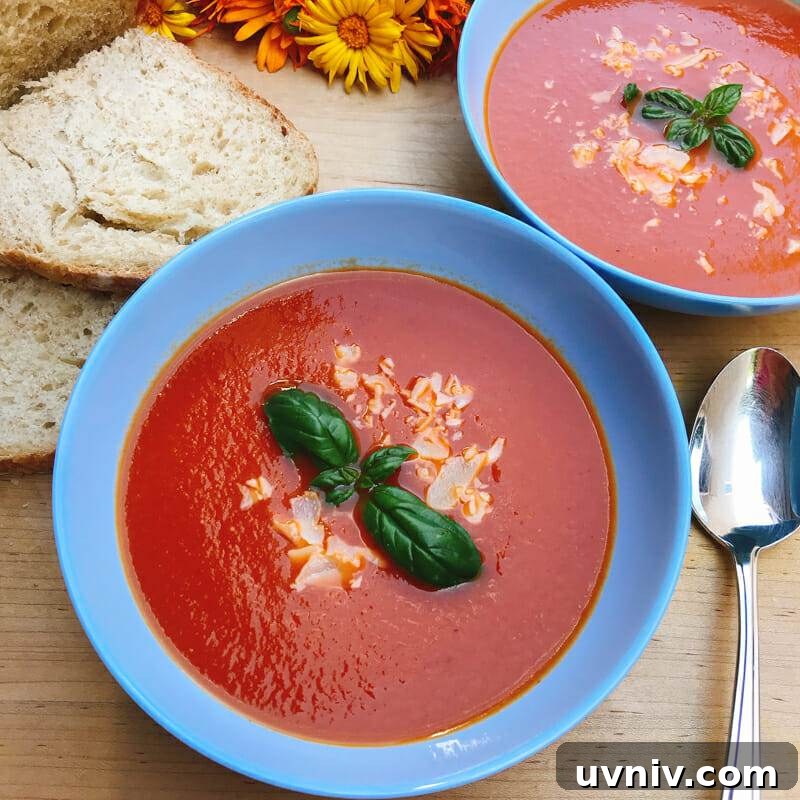
Sort your harvest before storing. Remove split, bruised or frost-damaged fruit and use them immediately, as they spoil quickly and can accelerate spoilage in stored tomatoes. These damaged tomatoes are ideal for soups, sauces or roasting.
Quick ripening
To ripen under-ripe tomatoes quickly, place them in a single layer in a shallow, newspaper-lined box. Warmer storage speeds ripening. Putting them near ethylene-producing fruit like apples or bananas will speed the process further.
Slow ripening
To slow ripening and extend storage life, keep tomatoes away from other produce in a cool, dark, dry place. Wrapping each tomato individually in newspaper can help. Inspect stored fruit regularly and remove any showing decay. Never store cut, bruised or frost-damaged tomatoes with healthy fruit.
Freezing Tomatoes
Freezing is a fast, low-effort preservation method. Ripe tomatoes can be frozen whole, chopped or pureed without blanching—place them in freezer-safe containers or bags. The skin loosens during thawing, making it easy to remove. Frozen tomatoes keep their flavor but will be soft once thawed, making them best for cooked applications.
Cooked tomato preparations freeze well too—sauces, stews and soups can be portioned and frozen for easy use later.
Drying Tomatoes
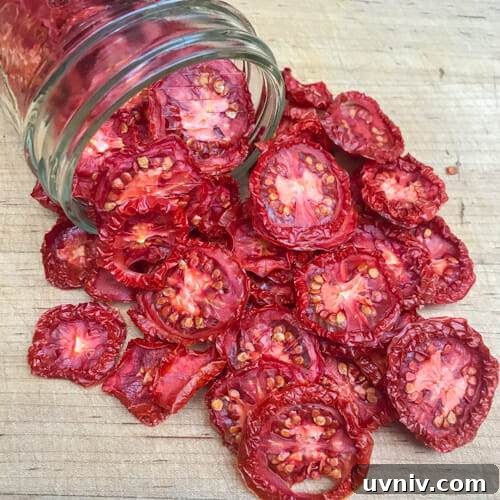
“Sun-dried” tomatoes are often dried using controlled heat rather than direct sunlight. You can dry tomatoes in a low-temperature oven or a dehydrator. Paste varieties with less juice work best, but any type can be dried given enough time.
To dry in an oven: quarter tomatoes lengthwise, remove seeds and excess liquid, place them on racks, and bake at 65°C–95°C (150°F–200°F) for ten or more hours until they feel leathery. For larger batches, a dehydrator is more efficient.
Canning Tomatoes
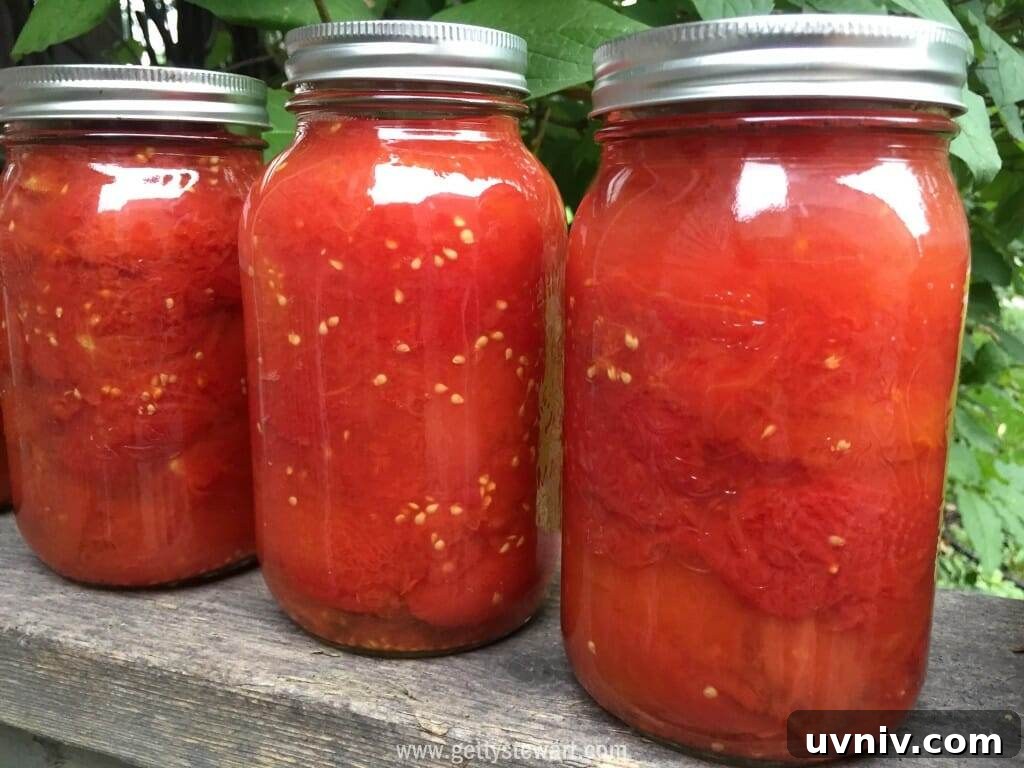
Hot water bath canning is a reliable way to preserve large quantities of tomatoes. Because tomatoes sit near the borderline of safe acidity for water-bath canning, additional acid is usually required for safety. Follow trusted, tested recipes and guidance when canning tomatoes or tomato-based products to ensure safe preservation.
More Tomato Ideas
- Tomato Focaccia
- Mediterranean Tomato and Cucumber Pasta Salad
- Panzanella (Tomato and Bread Salad)
- Bruschetta
- Canning Salsa Safely
- Canning Tomatoes – Safety Considerations
- Tomato Jam
- Canning Crushed, Diced or Chopped Tomatoes
- Freezer Salsa
- Fresh Salsa or Pico de Gallo
If you want to learn more about preserving and using garden produce, consider signing up for newsletters or local workshops. Experienced food professionals and home economists often share practical tips, recipes and class dates for fall preserving sessions.