They say if you do what you love, you’ll never work a day in your life. I love my garden and, given the choice, I’d happily spend every spare moment among the beds. That said, there’s a big difference between gardening and full-time farming; I enjoy gardening without wanting to be a farmer.
Turning a backyard garden into a steady full-time income is challenging, but earning a meaningful side income from your garden is far more achievable than most people realize.
Many people think gardening is strictly seasonal, beginning in spring and ending in fall. Up here in Vermont, our growing season is only about 100 days, which wouldn’t sustain a year-round side hustle if I confined activities to outdoors. To create consistent income, I recommend diversifying opportunities across every month of the year—yes, even in cold climates.
Our land is mostly forested, so “garden” includes mushrooms in shady spots, tapped maple trees in season, and foraging wild edibles. You don’t need a tidy tilled plot to profit: city dwellers can use indoor sprouts and seedling trays, or forage and work in public green spaces where allowed. The key is to use available space creatively to generate income year-round.
Below are practical ideas to earn a substantial side income from your garden each season, suitable for urban and rural settings. Always check local regulations before you start.
Winter Garden Income
Winter often feels like the slow season, but it can be one of the most profitable times to sell garden-related products. People are indoors dreaming of fresh greens and specialty items, and demand for small-batch, high-quality products often rises.
Indoor Salad Gardening
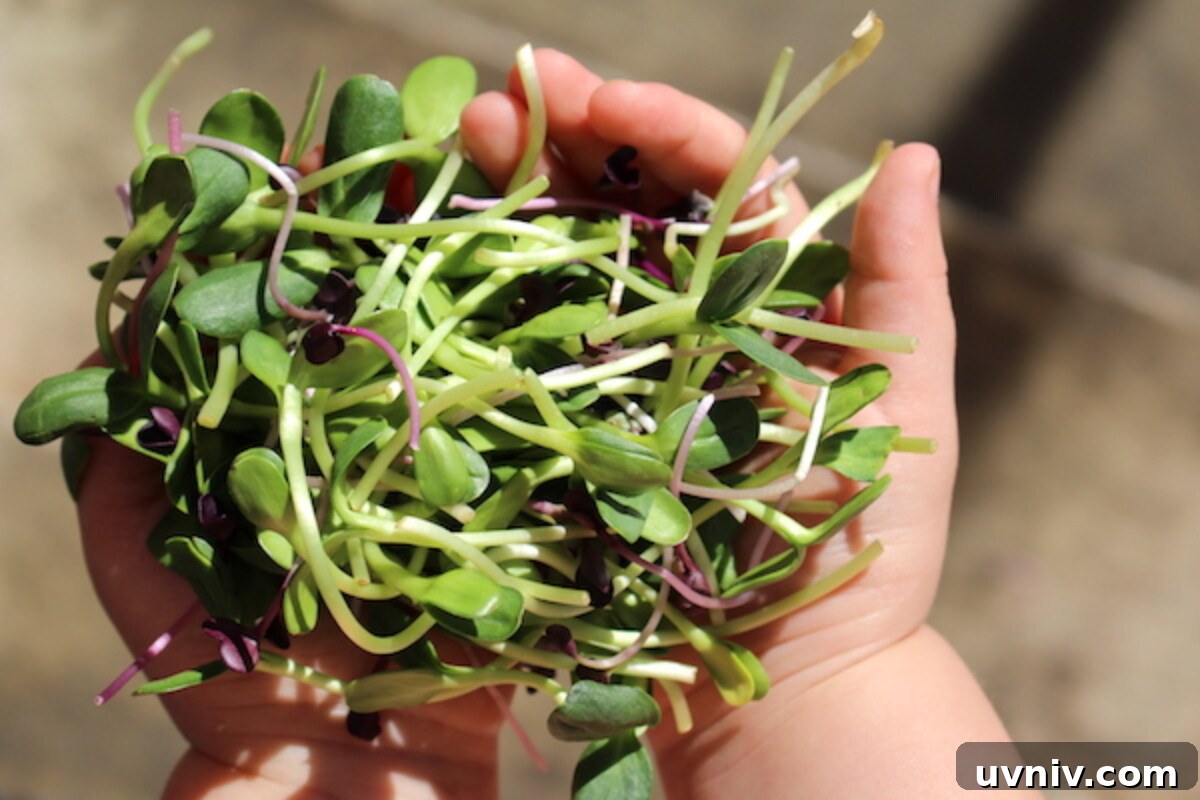
Indoor salad gardening—microgreens and sprouts—peaks in demand around New Year’s when many try to eat healthier. Winter microgreen CSAs command much higher prices than summer lettuce. Specialty microgreens can sell for $12–$15 per small bag. The opportunity is to grow premium, flavorful mixes that grocery stores can’t match in winter.
To scale, invest in a reliable indoor setup and learn schedules for quick turnovers. Resources on year-round indoor salad gardening can get you started; after that, marketing and consistency determine profitability.
Start a Small Backyard Seed Company
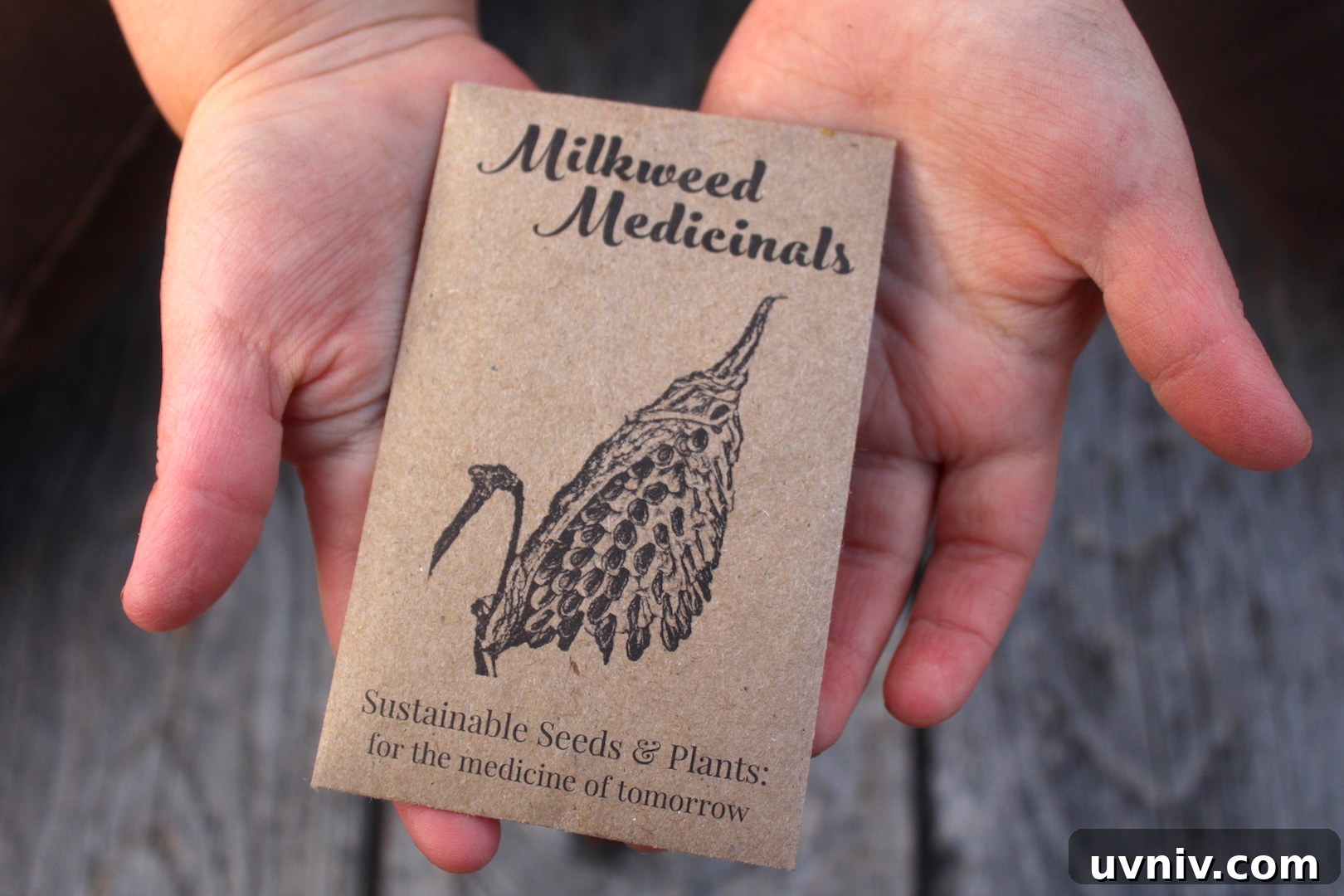
Selling locally produced heirloom seed is increasingly popular. Backyard-grown seed appeals to customers who want varieties adapted to their region. Some crops, like tomatoes, are easy to save and yield many packets from a single fruit. Customers pay for trusted, locally saved seed and rare varieties.
Seed saving requires understanding pollination, isolation, and proper cleaning and storage. Books that cover seed-saving techniques help you learn which crops need larger populations to maintain vigor and how to process seed for sale. Niche varieties and attractive packaging make small packets worth $4–$6 each to many buyers.
Selling Cuttings
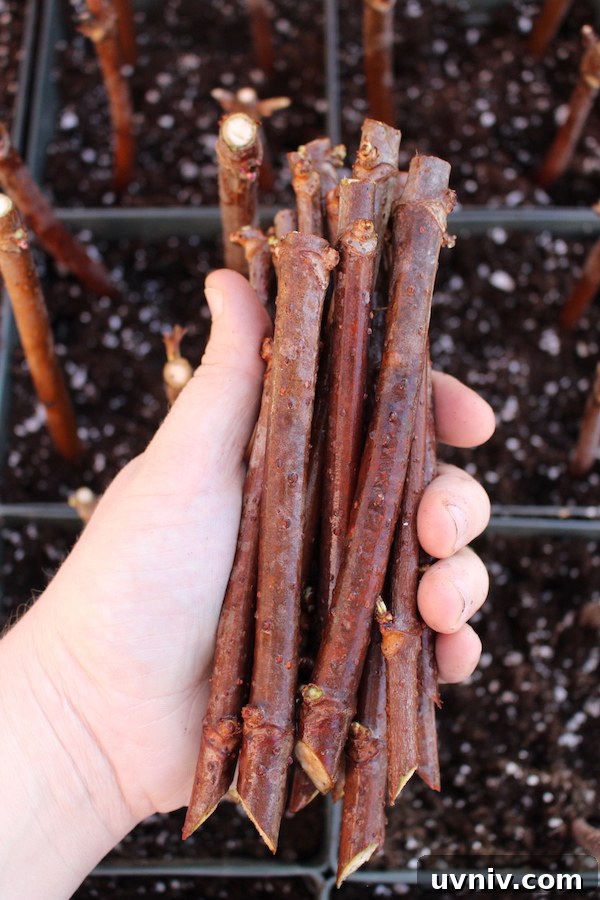
Selling plant cuttings is often easier and faster than seed sales. Many shrubs and fruiting plants root readily from hardwood cuttings gathered during dormant pruning. Buyers pay for cuttings to propagate desirable varieties—elderberry, black currant, grape, and scion wood from apple trees are all popular.
Cuttings are compact to ship and offer good margins. Learn propagation basics so you can produce healthy starter material and advise customers on planting. Propagation guides will help you set up cutting beds and scale production.
Growing Mushrooms Indoors
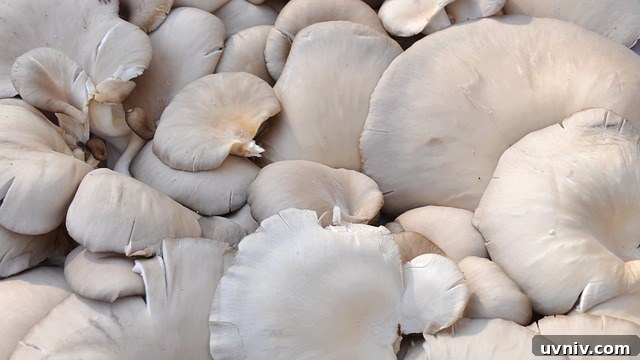
Mushroom cultivation is different from typical garden crops but can be very productive in small spaces year-round. With a modest indoor setup—using buckets, bags, or logs—you can produce high-value mushrooms like oysters and shiitake. Many systems use inexpensive or recycled materials and even waste inputs like spent coffee grounds.
A small closet or spare nook can yield a steady weekly income with only a few hours of maintenance per week. If you have hardwood logs, outdoor shiitake cultivation is another option, though harvests will align with warmer seasons.
Spring Garden Income
Spring brings a surge of interest in gardening. Use that momentum to sell early-season products—wild greens, seasonal edibles, seedlings, and short-lived specialty crops.
Selling Dandelions and Other Wild Greens
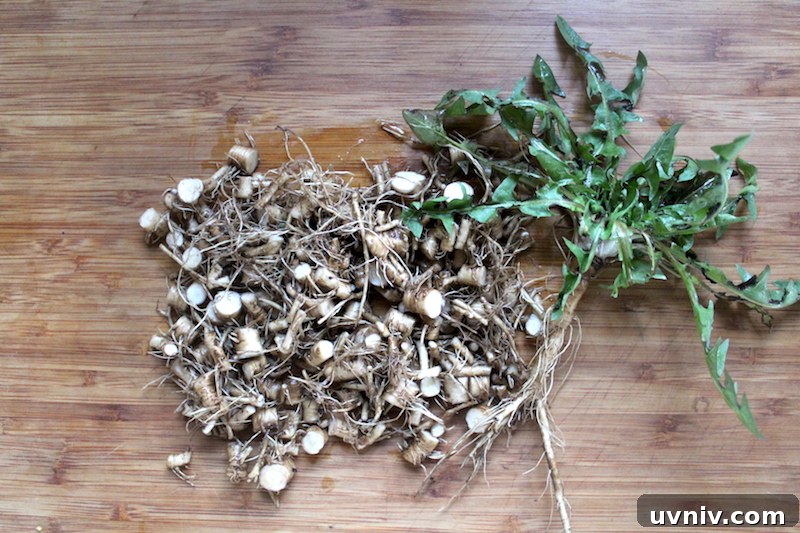
Many “weeds” are edible and medicinal. Dandelion roots and spring greens are in demand for food and herbal preparations. Local co-ops and chefs will pay for fresh foraged greens and dried or tinctured products. Turning spring weeding into a paid harvest is an efficient way to profit from routine garden tasks.
Growing Spring Ephemerals
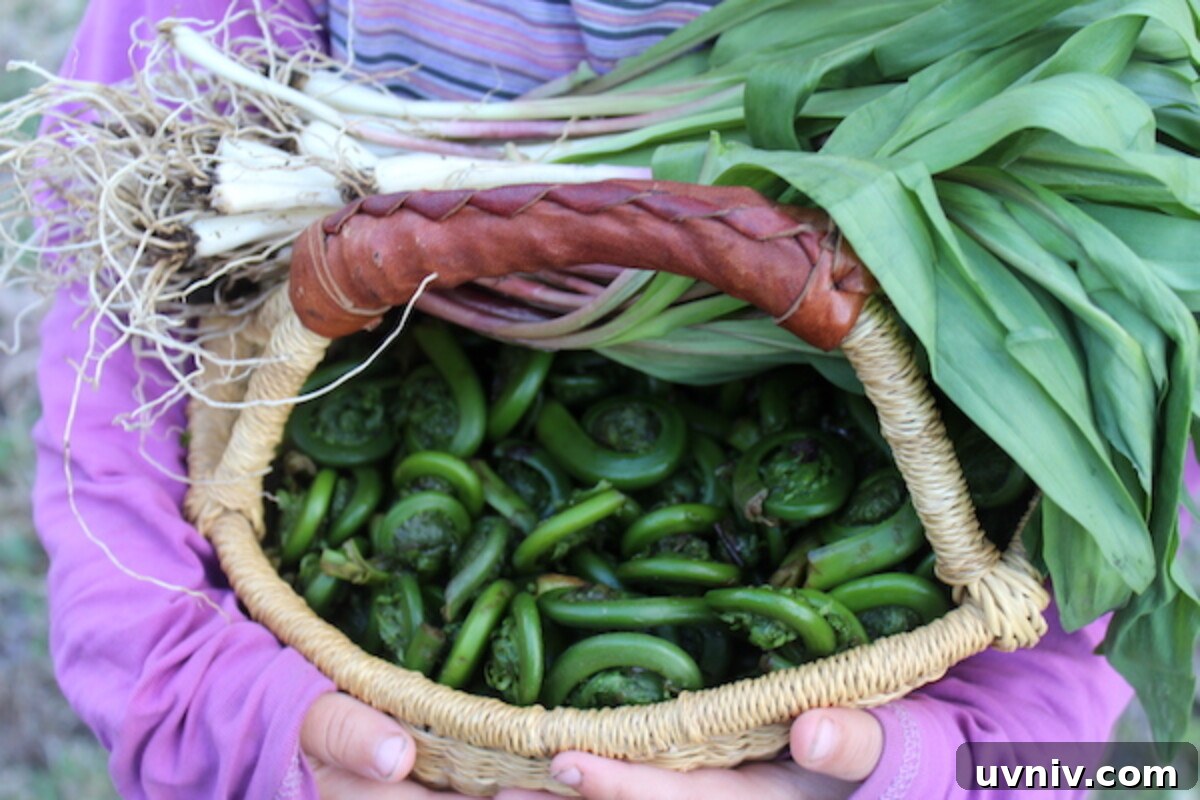
Ephemeral crops like ramps and fiddleheads have short harvest windows and high demand. Ramps naturalize well in shaded, wooded areas and can command premium prices once established, though they take years to mature. Fiddleheads are productive and can fetch strong seasonal prices; they also pickle well to extend sales opportunities.
Selling Spring Seedlings
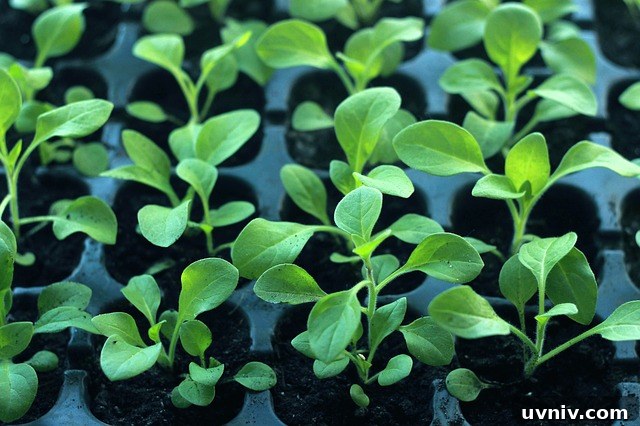
Selling started vegetable and herb seedlings is a tried-and-true seasonal income source. Seed costs are minimal while a healthy transplant can sell for several dollars. Success requires good equipment and timing—small greenhouses or cold frames let you produce earlier than many sellers and command higher prices.
Study local market demand and look for niches where competition is light—unique heritage varieties or medicinal seedlings can net higher returns.
Start a Backyard Nursery
A backyard nursery extends income beyond spring. Perennials and larger shrubs take time to grow but hold value year after year. Propagating from cuttings and growing potted plants lets you sell mature specimens in spring and fall. It’s a patient strategy that pays off well over time and fits into retirement or long-term plans.

Summer Garden Income
Summer is peak production season. Instead of competing on volume with larger farms, focus on high-value specialty crops, pick-your-own operations, events, and medicinal herbs to maximize income from smaller plots.
High-Dollar Specialty Crops
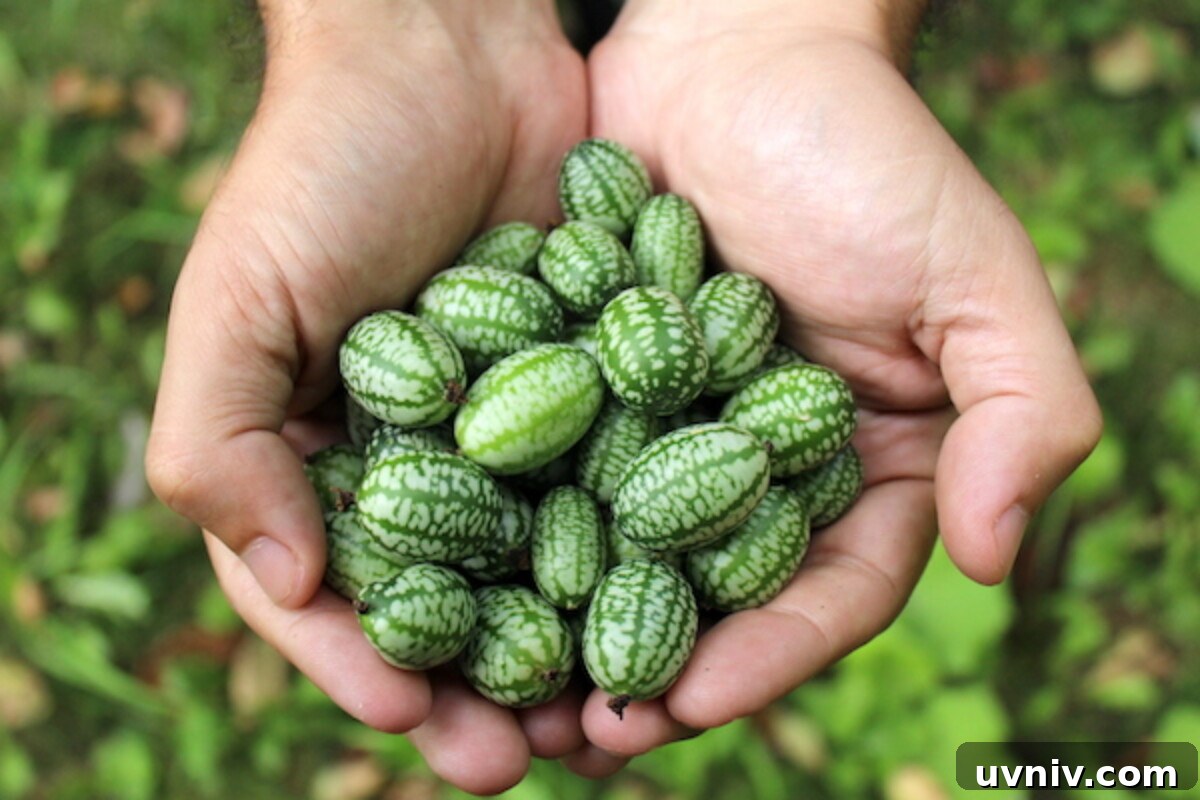
Grow small quantities of unusual, flavorful crops that capture attention: husk cherries (ground cherries) and cucamelons are two examples that sell at premium prices due to novelty and taste. Offering samples and recipe ideas boosts sales.
- Husk cherries – sweet, tropical-flavored fruit that often sell for premium prices by the pint.
- Cucamelons – tiny, lime-flavored cucumbers that are eye-catching and command higher per-unit prices.
Berry Pick-Your-Own
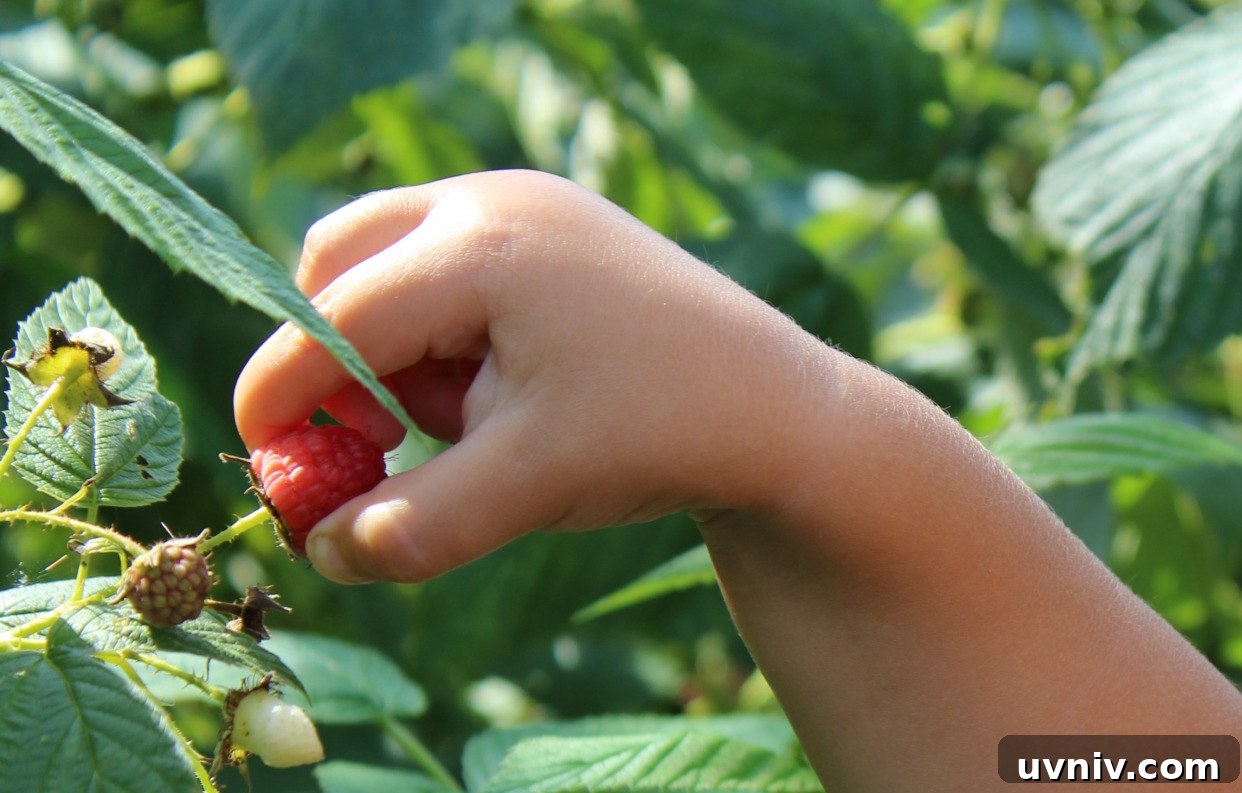
Pick-your-own operations require more space but offer passive labor once established. Raspberries and strawberries can be profitable per row foot, and many customers enjoy the experience of harvesting their own fruit. For small farms and homesteads, this model converts acreage into steady seasonal income.
Garden Tours, Tea Times & Classes
If you have an attractive garden, hosting tea times, tours, and classes can be rewarding. Events draw visitors and create opportunities to sell plants, seeds, or homemade products. Minimal setup—tables, scones, and a few teapots—can turn a garden into a charming venue for regular income.

Medicinal Herbs
Medicinal herbs are increasingly sought after. Many are perennials, requiring less maintenance than annual vegetables, and they sell well as dried herbs or tinctures. Tinctures and prepared remedies offer higher margins than raw herbs, and small-scale herb farming can be scaled to meet local demand.

Fall Garden Income
Fall brings harvests and holiday demand. It can be harder to stand out, but niche gift items and specialty seasonal products sell well. Focus on quality, packaging, and limited-edition offerings for the holiday market.
Honey & Bee Products
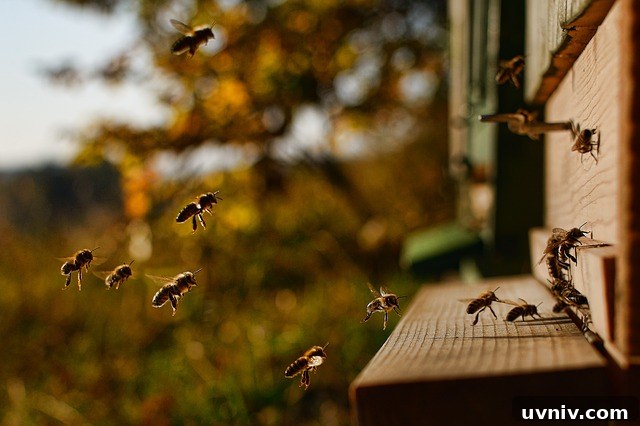
Beekeeping supports garden pollination and produces marketable products: honey, comb, pollen, propolis, and specialty gift jars. Local honey commands a premium, and well-packaged jars can sell substantially more than bulk rates. Be informed about hive health and sustainable practices before starting.
Apples, Cider and Cider Press Rentals
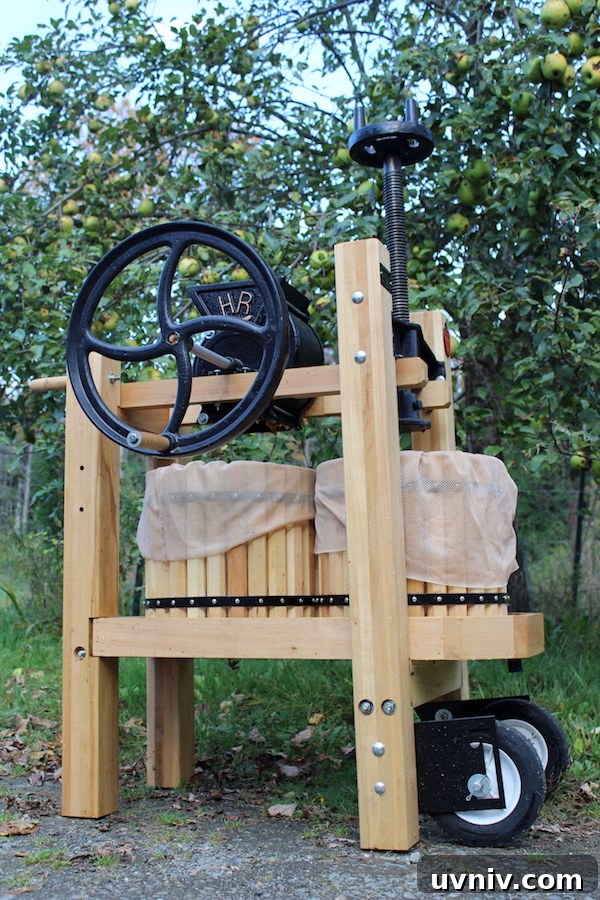
Apples can support share-sales, pressed cider, and equipment rentals. Selling shares of an apple harvest or producing fresh cider offers direct income, while renting a cider press to neighbors turns a one-time equipment investment into ongoing seasonal revenue.
Year-Round Garden Income
In addition to seasonal projects, several year-round activities can provide steady income related to gardening.
Garden Blogging
Blogging about gardening, DIY, and self-reliance can become a reliable income stream. Writing about what you already do in the garden creates content that attracts readers and monetization through ads, affiliate links, and product sales. Consistency and quality matter: many gardeners turn a blog into a substantial side or full-time income over time.
Garden Micro-Influencer
Building a social media presence lets you partner with brands, receive product samples, and earn for honest reviews and sponsored posts. Even a modest following can attract local and niche companies seeking authentic garden-focused promotion.
I hope these ideas inspire you to turn your gardening passion into a profitable side hustle. If you try any of these, track costs and results so you can refine what sells best in your area and scale the most profitable activities over time.
More Income Inspiration
- How to make a full-time income off-grid
- Ways to earn an extra $1,000 a month on a small homestead
- Small-scale maple sugaring profitability